Quick Turn Flexible PCB: 5 - Day Rigid - Flex Delivery
Quick Turn Flexible PCB: 5 - Day Rigid - Flex Delivery
Abstract
In the fast - paced electronics industry, the demand for quick turnaround times in PCB production is ever - increasing. Quick turn flexible PCBs, especially rigid - flex PCBs with a 5 - day delivery promise, have become a game - changer. This article focuses on the services provided by ShwayPCB in terms of PCB Manufacturing and Assembly. We will explore the characteristics of quick turn flexible PCBs, the manufacturing process, the advantages of a 5 - day rigid - flex delivery, and how ShwayPCB stands out in delivering Turnkey PCB Assembly, PCB Assembly, Quick Turn PCB Assembly, and PCB Assembly China services.
I. Introduction to Quick Turn Flexible PCBs
A. Definition and Types
Flexible PCBs are a type of printed circuit board that can bend and flex, allowing for unique design possibilities in electronic devices. There are two main types: fully flexible PCBs and rigid - flex PCBs. Fully flexible PCBs are entirely made of flexible materials, while rigid - flex PCBs combine rigid and flexible sections on a single board. The rigid sections provide mechanical support for components, and the flexible sections allow for movement and connection between different parts of the device.
B. Growing Demand in the Market
With the increasing miniaturization and complexity of electronic devices, the demand for quick turn flexible PCBs has surged. These PCBs are widely used in applications such as wearable technology, medical devices, automotive electronics, and aerospace systems. For example, in wearable fitness trackers, flexible PCBs can conform to the shape of the wrist, providing a comfortable and compact design.
II. Characteristics of Quick Turn Flexible PCBs
A. Material Properties
- Flexible Substrates: The most common flexible substrate used in PCBs is polyimide (PI). PI offers excellent thermal stability, chemical resistance, and flexibility. It can withstand high temperatures during the manufacturing process and maintain its performance over a wide range of operating conditions.
- Conductive Layers: Copper is the primary material used for the conductive layers in flexible PCBs. It provides good electrical conductivity and is relatively easy to process. In some cases, silver - based conductive inks may be used for specific applications where flexibility and conductivity are both critical.
B. Design Considerations
- Bend Radius: The bend radius is a crucial design parameter for flexible PCBs. It determines the minimum radius at which the board can be bent without causing damage to the conductive traces or the substrate. A smaller bend radius allows for more compact designs but requires careful engineering to ensure reliability.
- Table: Recommended Bend Radii for Different Flexible PCB Thicknesses
| PCB Thickness (mm) | Recommended Bend Radius (mm) |
| --- | --- |
| 0.1 | 0.5 - 1 |
| 0.2 | 1 - 2 |
| 0.3 | 2 - 3 |
- Table: Recommended Bend Radii for Different Flexible PCB Thicknesses
- Component Placement: In rigid - flex PCBs, component placement needs to consider both the rigid and flexible sections. Components should be placed on the rigid sections whenever possible to ensure mechanical stability. However, some components may need to be placed on the flexible sections, in which case special mounting techniques are required.
III. Manufacturing Process of Quick Turn Flexible PCBs
A. Material Preparation
- Substrate Cutting: The flexible substrate, such as polyimide, is cut into the required size and shape according to the PCB design. This step requires high - precision cutting equipment to ensure accurate dimensions.
- Copper Foil Lamination: Copper foil is laminated onto the flexible substrate using a heat - and pressure - based lamination process. This creates the conductive layers of the PCB.
B. Circuit Pattern Formation
- Photoresist Application: A photoresist layer is applied to the copper - clad flexible substrate. The photoresist is a light - sensitive material that will be used to define the circuit pattern.
- Exposure and Development: The substrate with the photoresist is exposed to ultraviolet (UV) light through a photomask that contains the circuit pattern. After exposure, the substrate is developed to remove the unexposed photoresist, leaving behind the desired circuit pattern.
- Etching: The exposed copper is etched away using a chemical etching solution, leaving only the copper traces that form the circuit pattern.
C. Drilling and Plating
- Drilling: Holes are drilled through the flexible PCB to create vias for electrical connection between different layers. In rigid - flex PCBs, holes are also drilled through the rigid sections.
- Plating: The drilled holes are plated with copper to create conductive paths between the layers. This step ensures electrical continuity throughout the PCB.
D. Coverlay Application
A coverlay, which is a layer of flexible insulating material, is applied to the PCB to protect the circuit traces from environmental factors such as moisture, dust, and mechanical damage. The coverlay is laminated onto the PCB using heat and pressure.
IV. Advantages of 5 - Day Rigid - Flex Delivery
A. Time - to - Market Acceleration
In today's competitive electronics market, time - to - market is crucial. A 5 - day rigid - flex delivery allows companies to quickly prototype and test their designs, reducing the overall product development cycle. For example, a startup developing a new wearable device can get a working prototype in a short period, enabling them to gather user feedback and make necessary design changes before mass production.
B. Cost - Effectiveness
Quick turn rigid - flex PCBs can also be cost - effective in the long run. By reducing the development time, companies can save on research and development costs. Additionally, early detection of design flaws through rapid prototyping can prevent costly redesigns and production delays later in the process.
C. Flexibility in Design Iterations
With a 5 - day delivery time, designers have more flexibility to make design iterations. They can quickly test different design concepts and make changes based on the results. This iterative design process can lead to better - performing and more reliable electronic products.
V. ShwayPCB: A Leader in Quick Turn Flexible PCB Services
A. Company Overview
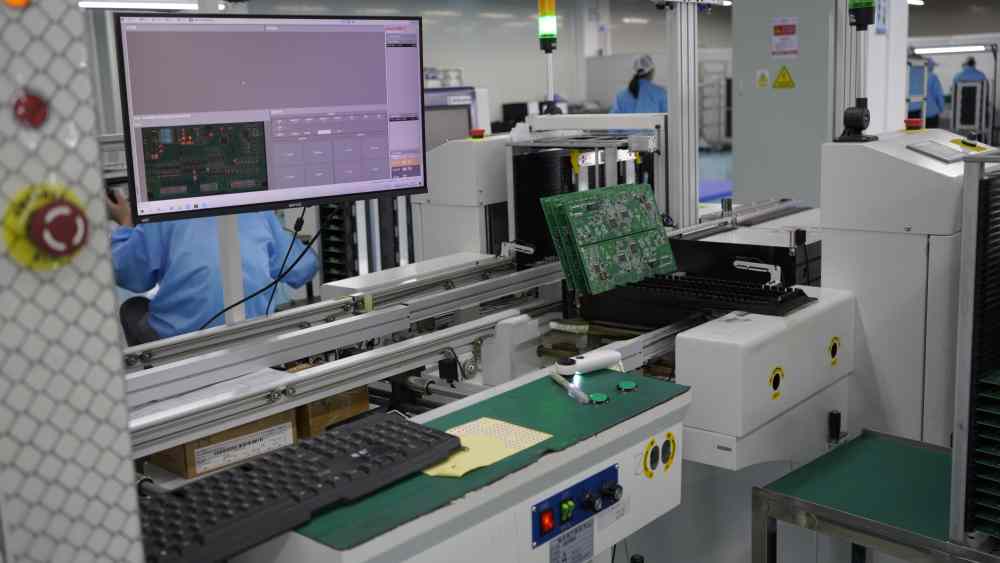
ShwayPCB is a well - established PCB manufacturer and assembler based in China. The company has extensive experience in producing high - quality PCB Manufacturing and Assembly services, with a particular focus on quick turn flexible PCBs and rigid - flex PCBs. They have a state - of - the - art manufacturing facility equipped with advanced equipment and a team of skilled engineers and technicians.
B. Service Offerings
- Turnkey PCB Assembly: ShwayPCB offers comprehensive Turnkey PCB Assembly services for quick turn flexible PCBs. This includes everything from PCB manufacturing to component procurement and final assembly. By providing a one - stop solution, they simplify the production process for their customers and ensure high - quality results.
- PCB Assembly: The company specializes in PCB Assembly for flexible and rigid - flex PCBs. They use advanced surface - mount technology (SMT) and through - hole technology (THT) to assemble components with high precision and efficiency.
- Quick Turn PCB Assembly: With their 5 - day rigid - flex delivery promise, ShwayPCB is a leader in Quick Turn PCB Assembly. They have optimized their manufacturing processes to ensure fast turnaround times without compromising on quality.
- PCB Assembly China: As a China - based company, ShwayPCB leverages the advantages of the Chinese manufacturing industry, such as cost - effectiveness and a well - developed supply chain, to offer high - quality PCB Assembly China services to customers worldwide.
C. Quality Control Measures
- In - Process Inspection: ShwayPCB conducts in - process inspections at various stages of the manufacturing process. This includes checking the circuit pattern formation, drilling accuracy, and plating quality. By detecting and correcting issues early in the process, they ensure that the final product meets the highest quality standards.
- Final Testing: After assembly, each PCB undergoes a series of final tests, including electrical testing, functional testing, and visual inspection. These tests verify that the PCB meets the specified performance requirements and is free from defects.
VI. Case Studies: Successful Applications of Quick Turn Flexible PCBs
A. Wearable Fitness Tracker
A well - known fitness tracker manufacturer approached ShwayPCB for a quick turn rigid - flex PCB solution. The company needed a PCB that could fit into a compact and flexible wristband design. ShwayPCB delivered a 5 - day rigid - flex PCB that met all the design requirements, including a small bend radius and high - density component placement. The fitness tracker was successfully launched in the market, and the quick turn PCB solution played a crucial role in its timely release.
B. Medical Endoscope
In the medical field, an endoscope manufacturer required a flexible PCB for their new product. The PCB needed to be able to bend and navigate through the human body while maintaining reliable electrical performance. ShwayPCB provided a quick turn flexible PCB solution that met the stringent medical standards. The endoscope was able to perform complex diagnostic procedures, and the flexible PCB contributed to its compact and user - friendly design.
VII. Conclusion
Quick turn flexible PCBs, especially rigid - flex PCBs with a 5 - day delivery, are revolutionizing the electronics industry. They offer numerous advantages, including accelerated time - to - market, cost - effectiveness, and design flexibility. ShwayPCB stands out as a leader in providing high - quality PCB Manufacturing and Assembly services for quick turn flexible PCBs. With their advanced manufacturing processes, comprehensive service offerings, and strict quality control measures, they are well - equipped to meet the growing demand for these innovative PCB solutions.
Contact Email: yuan@shwaypcb.com
Website: https://fr4pcb.tech/