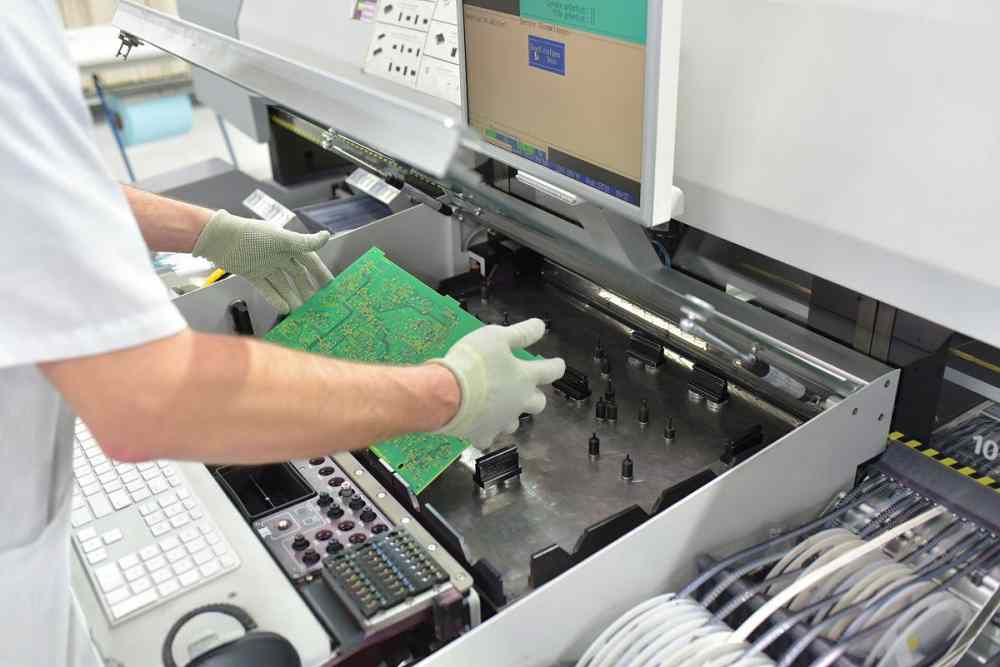
Cost Breakdown: Turnkey PCB Assembly in Shenzhen
Cost Breakdown: Turnkey PCB Assembly in Shenzhen
Abstract
In the realm of electronics manufacturing, Shenzhen stands as a global hub, renowned for its efficient and cost - effective production of printed circuit boards (PCBs). Among the various services offered, Turnkey PCB Assembly has gained significant popularity due to its convenience and all - encompassing nature. This article delves into the cost breakdown of turnkey PCB assembly in Shenzhen, with a focus on the services provided by ShwayPCB, which offers comprehensive PCB Manufacturing and Assembly. We will explore different cost components, compare prices with other regions, and analyze the factors influencing costs, all while highlighting the advantages of quick - turn services and the overall quality of PCB assembly in China.
I. Introduction to Turnkey PCB Assembly
A. Definition and Concept
Turnkey PCB Assembly is a one - stop solution where a single service provider handles the entire process of PCB production, from the initial design review to the final assembled product. This includes PCB Manufacturing, component procurement, and PCB Assembly. It eliminates the need for customers to coordinate with multiple vendors, streamlining the production process and reducing lead times.
B. Importance in the Electronics Industry
In today's fast - paced electronics market, time - to - market is crucial. Turnkey PCB assembly enables companies to quickly bring their products from concept to reality. It also ensures better quality control as the entire process is managed by a single entity with a vested interest in delivering a high - quality final product.
II. Overview of PCB Assembly in Shenzhen
A. Shenzhen's Position in the Global PCB Market
Shenzhen has emerged as a powerhouse in the global PCB industry. It is home to a vast number of PCB manufacturers and assemblers, ranging from small - scale operations to large, multi - national corporations. The city's well - developed supply chain, skilled workforce, and advanced manufacturing facilities have made it a preferred destination for PCB production.
B. Advantages of PCB Assembly in Shenzhen
- Cost - Effectiveness: One of the main advantages of PCB assembly in Shenzhen is its cost - competitiveness. The relatively low labor costs, combined with economies of scale, allow manufacturers to offer high - quality PCBs at lower prices compared to many other regions.
- Technological Expertise: Shenzhen's PCB industry has kept pace with the latest technological advancements. Manufacturers are equipped with state - of - the - art equipment for PCB Manufacturing and assembly, enabling them to handle complex designs and high - precision requirements.
- Quick Turnaround Times: The efficient production processes and well - organized supply chains in Shenzhen enable quick - turn PCB Assembly services. This is especially beneficial for companies with urgent project deadlines or those involved in rapid prototyping.
III. ShwayPCB: A Leading Provider of PCB Services
A. Company Introduction
ShwayPCB is a reputable PCB manufacturer and assembler based in China. With years of experience in the industry, the company has built a strong reputation for delivering high - quality PCB Manufacturing and Assembly services. They offer a wide range of services, including turnkey PCB assembly, Quick Turn PCB Assembly, and PCB Assembly China.
B. Service Offerings
- PCB Manufacturing: ShwayPCB can produce various types of PCBs, including single - sided, double - sided, and multi - layer boards. They use high - quality materials such as FR4, Rogers, and aluminum substrates to meet different application requirements.
- Component Procurement: As part of their turnkey service, the company handles the procurement of all the necessary components for the PCB assembly. They have established relationships with reliable component suppliers, ensuring the availability of genuine parts at competitive prices.
- PCB Assembly: ShwayPCB employs advanced surface - mount technology (SMT) and through - hole technology (THT) for PCB assembly. Their skilled technicians can handle complex assembly projects with high precision and efficiency.
IV. Cost Breakdown of Turnkey PCB Assembly
A. PCB Manufacturing Costs
- Material Costs: The cost of materials, such as the PCB substrate, copper foil, solder mask, and silkscreen, is a significant component of the overall manufacturing cost. The type and quality of materials used can vary depending on the application requirements. For example, a high - frequency PCB may require a more expensive substrate material like Rogers compared to a standard FR4 board.
- Table: Cost Comparison of Different PCB Substrates
| Substrate Type | Cost per Square Meter (USD) |
| --- | --- |
| FR4 | 10 - 30 |
| Rogers | 50 - 200 |
| Aluminum | 15 - 40 |
- Table: Cost Comparison of Different PCB Substrates
- Laminate and Layer Costs: The number of layers in a PCB also affects the manufacturing cost. Multi - layer boards require more complex manufacturing processes, such as lamination and drilling, which increase the cost.
- Table: Cost Increase with PCB Layers
| Number of Layers | Cost Increase Factor (compared to single - layer) |
| --- | --- |
| 2 | 1.5 - 2 |
| 4 | 2.5 - 3.5 |
| 6 | 3.5 - 5 |
- Table: Cost Increase with PCB Layers
- Drilling and Plating Costs: Drilling holes for component leads and vias is an essential part of PCB manufacturing. The size and number of holes, as well as the need for plating, impact the cost. Smaller holes and more complex hole patterns generally result in higher costs.
B. Component Procurement Costs
- Component Prices: The cost of components varies widely depending on their type, brand, and quantity. High - end integrated circuits (ICs) and specialized components can be expensive, while passive components like resistors and capacitors are relatively inexpensive.
- Minimum Order Quantities (MOQs): Many component suppliers have MOQs, which can affect the overall cost. If the required quantity of a component is less than the MOQ, the customer may have to pay a premium or purchase a larger quantity than needed.
- Lead Times and Availability: Long lead times for certain components can delay the production process and potentially increase costs. In some cases, expedited shipping or alternative components may be required, both of which can add to the cost.
C. PCB Assembly Costs
- SMT Assembly Costs: SMT assembly is a common method for placing surface - mount components on a PCB. The cost of SMT assembly depends on factors such as the number of components, component size, and placement accuracy requirements.
- Table: SMT Assembly Cost Factors
| Factor | Impact on Cost |
| --- | --- |
| Number of Components | Higher number of components leads to higher cost |
| Component Size | Smaller components may require more precise placement, increasing cost |
| Placement Accuracy | High - precision placement requirements add to the cost |
- Table: SMT Assembly Cost Factors
- THT Assembly Costs: THT assembly involves inserting through - hole components into the PCB and soldering them. This process is generally more labor - intensive than SMT assembly and is typically used for components that cannot be mounted on the surface.
- Testing and Inspection Costs: After assembly, PCBs undergo various testing and inspection procedures to ensure quality. These include electrical testing, functional testing, and visual inspection. The cost of testing and inspection depends on the complexity of the PCB and the required test methods.
V. Comparison of Costs with Other Regions
A. Cost Comparison with the United States
PCB assembly costs in the United States are generally higher than in Shenzhen. This is mainly due to higher labor costs, stricter environmental regulations, and a less - developed supply chain compared to China. On average, PCB assembly costs in the US can be 30 - 50% higher than in Shenzhen for similar quality and quantity.
B. Cost Comparison with Europe
Similar to the US, European countries also have higher PCB assembly costs compared to Shenzhen. Factors such as high labor costs, complex regulatory requirements, and a fragmented supply chain contribute to the cost difference. In some cases, the cost difference can be even greater, reaching 50 - 70% for certain types of PCBs.
VI. Factors Influencing Turnkey PCB Assembly Costs
A. Order Quantity
The order quantity has a significant impact on the cost per unit of turnkey PCB assembly. Generally, larger order quantities result in lower costs per unit due to economies of scale. Manufacturers can spread fixed costs, such as setup fees and tooling costs, over a larger number of units, reducing the cost per PCB.
B. Design Complexity
Complex PCB designs with a large number of components, small component sizes, and high - density interconnections require more advanced manufacturing and assembly processes. This increases the cost of production as it requires specialized equipment, skilled technicians, and more time for setup and production.
C. Lead Time Requirements
Customers with urgent lead time requirements may have to pay a premium for quick - turn services. Manufacturers may need to expedite the production process, allocate additional resources, and potentially pay overtime to meet tight deadlines, all of which contribute to higher costs.
VII. Conclusion
Turnkey PCB assembly in Shenzhen, exemplified by the services provided by ShwayPCB, offers a cost - effective and efficient solution for electronics manufacturers. By understanding the cost breakdown of turnkey PCB assembly, including PCB manufacturing, component procurement, and PCB assembly costs, customers can make informed decisions and optimize their production budgets. The advantages of Shenzhen's PCB industry, such as cost - effectiveness, technological expertise, and quick turnaround times, make it an attractive destination for PCB production. With the ability to handle complex designs and provide high - quality Quick Turn PCB Assembly and PCB Assembly China services, ShwayPCB is well - positioned to meet the diverse needs of customers in the global electronics market.
Contact Email: yuan@shwaypcb.com
Website: https://fr4pcb.tech/