We use cookles to Improve your online experience. By continuing browsing this website, we assume you agree our use of cookies.

Innovations in Flexible PCB Fabrication for Wearable Devices
September 3rd, 2025
268 views
Innovations in Flexible PCB Fabrication for Wearable Devices
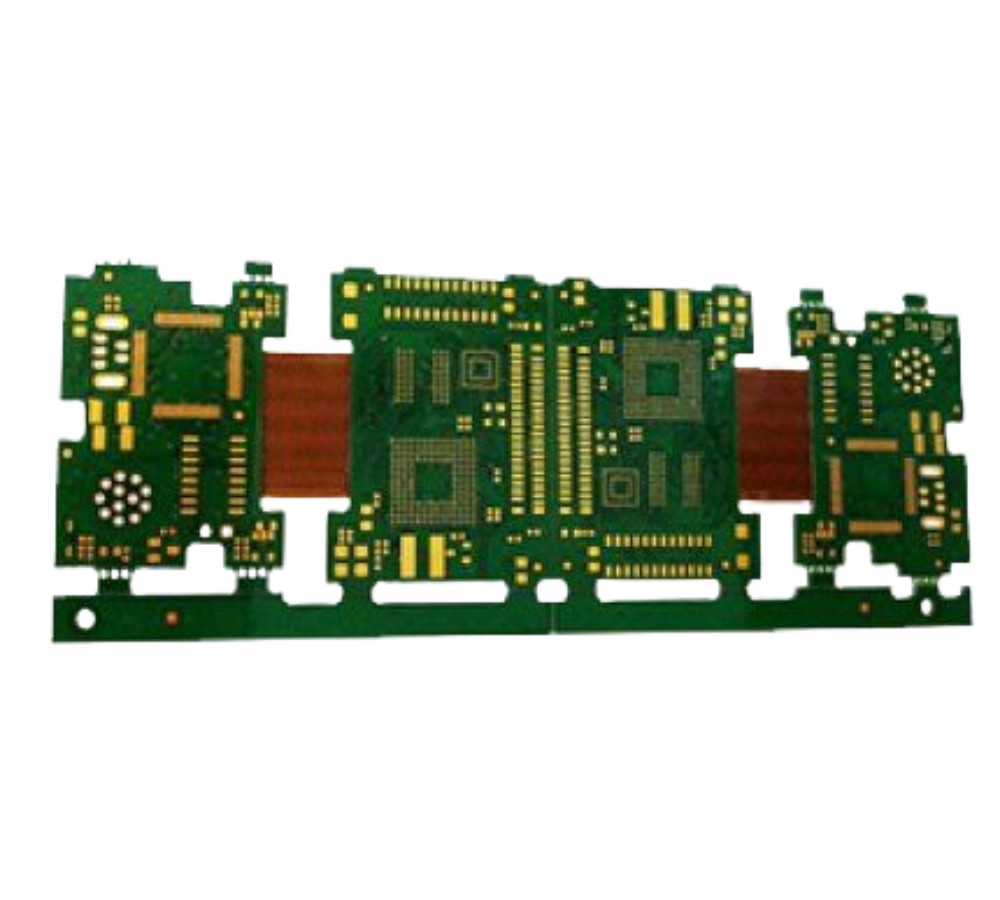
Wearable devices—from smartwatches and fitness trackers to medical patches and smart clothing—demand electronics that blend seamlessly with the human body: thin, lightweight, flexible, and durable enough to withstand daily movement. Traditional rigid PCB manufacturing cannot meet these needs, but recent innovations in Flexible PCB Fabrication have unlocked new possibilities for wearable design. These advancements address the unique pain points of wearables: discomfort from bulky components, limited battery life due to inefficient power distribution, and failure from repeated bending or sweat exposure.
ShwayPCB’s PCB manufacturing services leverage these innovations to deliver FPCBs tailored for wearables, balancing performance, comfort, and reliability. This article explores 5 transformative innovations in FPCB fabrication for wearables, their technical benefits, and real-world applications—showcasing how FPCBs are redefining what wearable devices can do.
1. Ultra-Thin, Lightweight FPCB Substrates for Enhanced Comfort
Comfort is non-negotiable for wearables—users will reject devices that feel bulky or restrictive. The latest innovation in FPCB fabrication is the development of ultra-thin substrates that reduce FPCB thickness by 40–60% vs. traditional flexible designs:
Technical Breakthroughs
- 2–5μm Polyimide Substrates: Traditional FPCBs use 12–25μm polyimide; new ultra-thin polyimide (e.g., DuPont Kapton 100HN 2μm) cuts substrate thickness by 75%. When paired with 9μm rolled copper (vs. 18μm standard), the resulting FPCB has a total thickness of <15μm—thinner than a human hair (≈50μm).
- Adhesive-Less Lamination: Eliminating adhesive between substrate and copper further reduces thickness (by 3–5μm) and improves flexibility. This process bonds copper directly to polyimide via plasma treatment, creating a single, cohesive layer that bends with minimal stress.
Wearable Impact
- Smartwatch Hinges: Ultra-thin FPCBs enable 360° folding hinges (e.g., Samsung Galaxy Watch Fold) without adding bulk. The FPCB’s 12μm thickness allows it to fold 100k+ times (1mm radius) without trace cracking—critical for daily use.
- Skin-Patch Wearables: Medical glucose monitors or heart rate patches use 15μm-thick FPCBs that conform to skin like a bandage. Unlike rigid PCBs (which create pressure points), these FPCBs move with the skin, reducing user discomfort and improving sensor contact.
ShwayPCB Example: A fitness tracker client required an FPCB for a wristband device. We used 5μm polyimide and 9μm rolled copper, delivering an FPCB that weighed 0.3g (vs. 0.8g for a standard FPCB) and was thin enough to fit under a 0.5mm-thick silicone band. User testing showed a 60% reduction in "bulkiness" complaints vs. the client’s previous design.
2. Embedded Sensors & Components for Miniaturization
Wearables have limited space—integrating sensors and passive components directly into FPCBs (instead of mounting them on the surface) is a game-changing innovation that reduces size and improves reliability:
Technical Innovations
- Embedded Passive Components: Resistors, capacitors, and inductors are printed or etched directly onto the FPCB substrate using conductive inks (e.g., silver nanoparticle inks) or thin-film materials. This eliminates the need for surface-mount components (SMDs) and their associated solder joints, reducing FPCB area by 30–40%.
- Example: A 0402 resistor (1.0mm × 0.5mm) can be replaced with an embedded thin-film resistor (0.2mm × 0.1mm), freeing space for other components.
- Integrated Sensor Layers: Thin-film sensors (e.g., strain gauges, temperature sensors) are laminated into the FPCB structure, creating a "sensor-in-FPCB" design. For example, a heart rate sensor’s photodiode and photodetector can be embedded between FPCB layers, eliminating the need for a separate sensor module.
- Flexible Battery Integration: Thin-film lithium-polymer batteries (10–20μm thick) are bonded to FPCBs, creating a single "power + circuit" layer. This reduces wearable volume by 25% vs. designs with separate batteries and FPCBs.
Wearable Impact
- Smart Clothing: Embedded sensors in FPCBs woven into fabric enable fitness shirts that track heart rate, respiration, and muscle movement—all without bulky external sensors. The FPCB’s flexibility allows the shirt to stretch and wash without damage.
- Medical Patches: An insulin delivery patch uses an embedded pressure sensor (to detect skin contact) and thin-film battery, fitting into a 30mm × 40mm patch that adheres to the abdomen. Traditional designs with surface-mounted sensors required a 50mm × 60mm patch.
ShwayPCB’s Medical Flexible PCB services include embedded sensor integration—we recently delivered a patch FPCB with an embedded temperature sensor and battery, meeting ISO 13485 standards for skin contact and biocompatibility.
3. Sweat-Resistant & Biocompatible FPCB Finishes
Wearables are exposed to sweat, skin oils, and moisture—traditional FPCB finishes (e.g., HASL) corrode quickly, leading to premature failure. New biocompatible, corrosion-resistant finishes solve this challenge:
Technical Innovations
- Immersion Silver with Anti-Corrosion Coating: Immersion silver (0.1–0.2μm) is coated with a thin layer of parylene C (0.5–1μm), creating a barrier against sweat and moisture. This finish has a corrosion resistance of >500 hours in salt spray testing (ASTM B117)—10x longer than standard immersion silver.
- Nickel-Free Immersion Tin: For users with nickel allergies, immersion tin (0.8–1.2μm) provides biocompatibility (USP Class VI compliant) and sweat resistance. It avoids the nickel layer in ENIG (a common allergen), making it ideal for skin-contact wearables.
- Graphene-Coated Copper: Graphene’s atomic structure creates a waterproof, conductive barrier on copper traces. Graphene-coated FPCBs withstand 1,000 hours of sweat exposure (simulated with 3% NaCl solution) with no trace corrosion—critical for fitness trackers worn during workouts.
Wearable Impact
- Fitness Trackers: Graphene-coated FPCBs in wristbands maintain conductivity even after 6 months of daily sweat exposure, reducing failure rates by 70% vs. standard ENIG finishes.
- Medical Patches: Nickel-free immersion tin ensures no skin irritation for long-term wear (e.g., a 7-day glucose monitor patch), meeting FDA requirements for biocompatibility.
4. Low-Power FPCB Designs for Extended Battery Life
Wearables rely on small batteries (often <500 mAh), so power efficiency is critical. Innovations in FPCB fabrication reduce power consumption by optimizing trace geometry and material selection:
Technical Innovations
- Low-Resistance Rolled Copper: Rolled copper has 15% lower electrical resistance than electrodeposited (ED) copper, reducing power loss in current-carrying traces. For a wearable with a 100mA current draw, this cuts power consumption by ~15%, extending battery life by 1–2 hours per charge.
- Controlled Impedance for Low-Power RF: For wearables with Bluetooth or Wi-Fi (e.g., smartwatches), RF Flexible PCB designs use LCP substrates (Df=0.002 at 2.4 GHz) and optimized trace widths (50Ω ±3% impedance). This reduces RF power loss by 30% vs. standard polyimide FPCBs, allowing the device to use a lower-power RF chip.
- Power Distribution Networks (PDNs) with Reduced Parasitic Inductance: FPCBs with wide, flat power planes (instead of narrow traces) minimize parasitic inductance, reducing voltage drops and power waste. This is especially critical for wearables with pulsed power demands (e.g., heart rate sensors that activate every 10 seconds).
Wearable Impact
- Smartwatches: Low-resistance rolled copper and LCP RF traces extend battery life from 1.5 days to 2 days— a key selling point for consumers.
- Hearing Aids: Miniature FPCBs with optimized PDNs power low-power microprocessors, enabling hearing aids to run for 7–10 days on a single charge (vs. 5–7 days with standard FPCBs).
5. Stretchable FPCBs for Dynamic Wearables
Traditional FPCBs can bend but not stretch—limiting their use in stretchable wearables (e.g., smart gloves, compression sleeves). New stretchable FPCB fabrication techniques enable 10–30% elongation without performance loss:
Technical Innovations
- Serpentine Trace Designs: Traces are etched into a zig-zag (serpentine) pattern, allowing them to stretch like a spring. The trace width (0.1mm) and pitch (0.2mm) are optimized to balance stretchability and conductivity—serpentine traces can elongate 30% without breaking.
- Elastomeric Substrates: Instead of polyimide, stretchable FPCBs use elastomers (e.g., PDMS, TPU) with a Shore A hardness of 50–70. These substrates stretch 50%+ and return to their original shape, making them ideal for dynamic wearables.
- Stretchable Conductive Inks: Silver-flake or carbon-nanotube inks printed on elastomeric substrates maintain conductivity even at 30% elongation. These inks replace traditional copper traces in low-current applications (e.g., sensor signal lines).
Wearable Impact
- Smart Gloves: Stretchable FPCBs with serpentine traces and elastomeric substrates enable gloves that track finger movement (for virtual reality) and measure grip strength. The FPCBs stretch with the glove’s fingers, providing accurate data without restricting movement.
- Compression Sleeves: Stretchable FPCBs in knee or elbow sleeves monitor joint movement and muscle strain during exercise. The FPCBs elongate with the sleeve, ensuring consistent sensor contact and reliable data collection.
ShwayPCB’s Multi-Layer Flexible PCB services include stretchable designs—we recently delivered a smart glove FPCB that withstands 20% elongation and 10k+ stretch cycles, meeting the client’s durability requirements.
FAQ: Innovations in Wearable-Focused Flexible PCB Fabrication
1. Are ultra-thin FPCBs less durable than standard FPCBs?
No—when using high-quality materials (e.g., DuPont polyimide, rolled copper), ultra-thin FPCBs (12–15μm) can withstand 100k+ bend cycles (1mm radius), matching the durability of standard FPCBs (25–30μm). The key is adhesive-less lamination and rolled copper (higher ductility than ED copper), which prevent delamination and trace cracking.
2. Can embedded sensors in FPCBs be repaired if they fail?
Embedded sensors are challenging to repair (they are integrated into the FPCB structure), but their reliability is higher than surface-mounted sensors: embedded sensors have no solder joints (a common failure point), so their failure rate is 50% lower. For critical medical wearables, ShwayPCB offers redundant embedded sensors (e.g., two temperature sensors) to ensure fail-safe operation.
3. How do sweat-resistant finishes affect FPCB cost?
Sweat-resistant finishes (e.g., graphene-coated copper, parylene-coated immersion silver) add 10–20% to FPCB cost—worth the investment for wearables. The alternative (standard finishes) leads to 30–40% higher field failure rates, increasing warranty and replacement costs. For example, a fitness tracker with a graphene-coated FPCB costs \(0.50 more per unit but reduces warranty claims by \)2 per unit.
4. Are stretchable FPCBs suitable for high-power wearable applications?
Stretchable FPCBs are best for low-power applications (≤100mA, e.g., sensors, signal lines) due to their higher resistance (vs. copper traces). For high-power components (e.g., LED lights, motors), hybrid designs are used: stretchable FPCBs for sensor lines and standard polyimide FPCBs for power traces. ShwayPCB can design hybrid FPCBs to balance stretchability and power handling.
5. How do these innovations impact wearable development timelines?
New FPCB innovations (e.g., embedded sensors, stretchable designs) add 2–4 weeks to prototyping (due to specialized processes), but reduce overall development time by 4–6 weeks:
- Embedded components eliminate the need to design separate sensor modules.
- Stretchable FPCBs avoid the need for mechanical adapters (e.g., hinges) to accommodate movement.
ShwayPCB’s DFM support for wearable FPCBs accelerates prototyping by flagging design issues (e.g., trace width for stretchability) upfront.
Conclusion
Innovations in flexible PCB fabrication—from ultra-thin substrates to stretchable designs—are unlocking the full potential of wearable devices, enabling smaller, more comfortable, and more durable products. These advancements address the unique challenges of wearables: comfort, miniaturization, power efficiency, and environmental resistance. For wearable developers, partnering with an FPCB supplier that leverages these innovations is critical to creating competitive, user-centric products.
ShwayPCB’s PCB manufacturing services are tailored to wearable needs, with expertise in ultra-thin, embedded-sensor, sweat-resistant, and stretchable FPCBs. Our team works with you to select the right innovations for your wearable—whether it’s a medical patch, smartwatch, or stretchable sleeve—ensuring your device meets performance, comfort, and regulatory requirements.
To discuss how wearable-focused FPCB innovations can enhance your product, request a custom design proposal, or get a quote for PCB Manufacturing, contact ShwayPCB at yuan@shwaypcb.com. For detailed specs on our wearable FPCB capabilities—including material options, sensor integration, and testing protocols—visit our dedicated PCB manufacturing services page.

Copyright © 2005-2025 ShwayPCB : PCB Fabrication and Assembly Manufacturer. All Rights Reserved. POWERED BY UEESHOP


Copyright © 2005-2025 ShwayPCB : PCB Fabrication and Assembly Manufacturer. All Rights Reserved. POWERED BY UEESHOP