We use cookles to Improve your online experience. By continuing browsing this website, we assume you agree our use of cookies.

Unveiling the Secrets of Seamless PCB Prototype Assembly
August 26th, 2025
113 views
Unveiling the Secrets of Seamless PCB Prototype Assembly
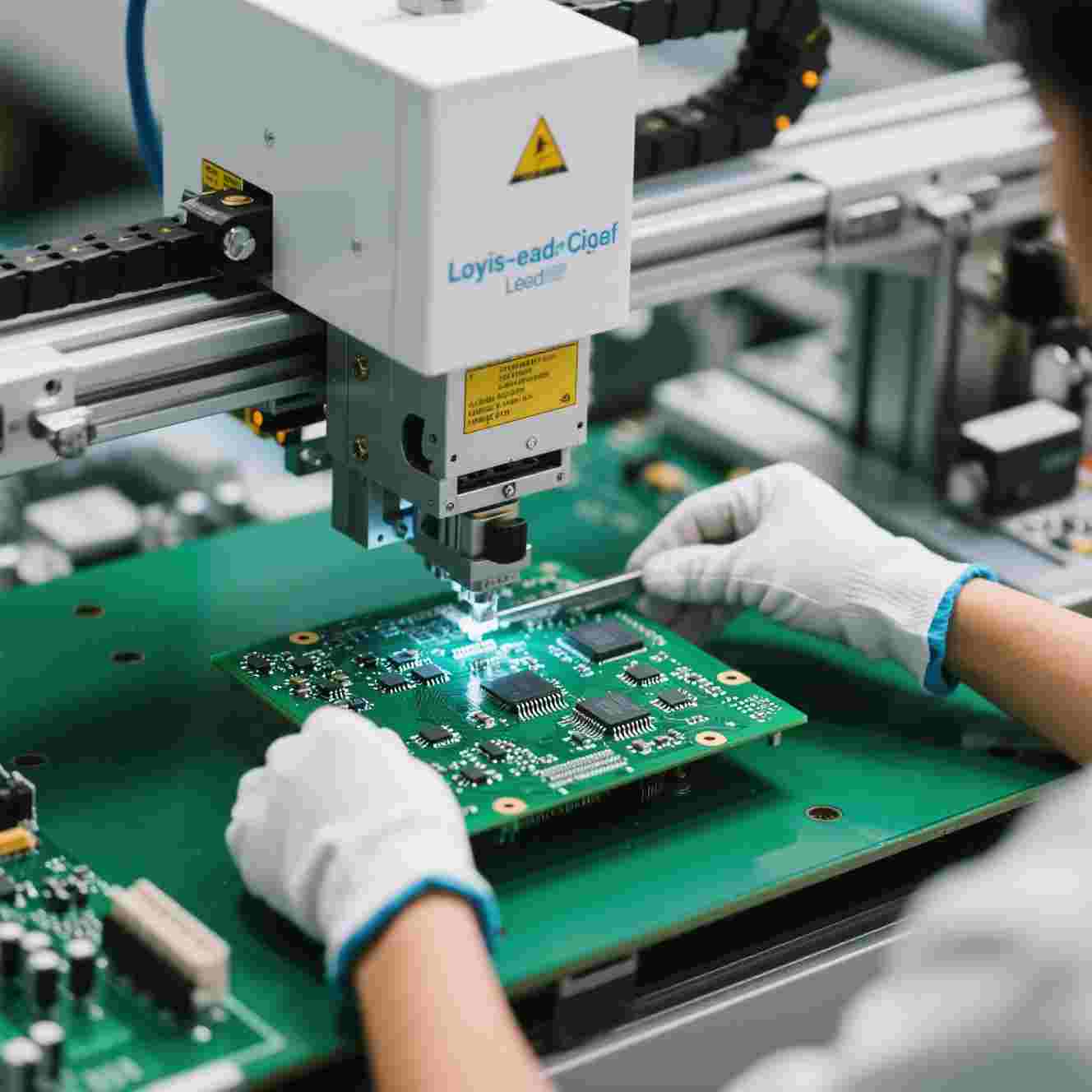
In the fast-paced world of electronics R&D, PCB prototype assembly serves as the critical bridge between design concepts and functional hardware. A seamless prototype assembly process not only accelerates product validation but also minimizes rework costs, ensuring engineering teams meet tight deadlines for investor demos, design iterations, or pre-production testing. To achieve this seamless workflow, three pillars stand out: speed without compromising precision, rigorous quality control, and design-manufacturability alignment—all of which are mastered by leading service providers like ShwayPCB. Below, we break down the secrets to successful PCB prototype assembly, while integrating key technologies and services that define industry excellence.
1. Speed: The Cornerstone of Quick-Turn Prototyping
In R&D, time-to-market can make or break a project. Seamless PCB prototype assembly starts with Quick-turn SMT Assembly, a technology that enables rapid placement of surface-mount components (even ultra-small 01005 sizes or fine-pitch BGAs) for batches of 1–100 pieces. Leading providers like ShwayPCB offer 24–72-hour turnaround for standard designs—3x faster than industry averages—by leveraging dedicated prototype lines, simplified setup processes, and priority scheduling.
Complementing quick-turn SMT is Low-Volume PCB Prototype Manufacturing, which eliminates the burden of high minimum order quantities (MOQs). For startups or engineers testing 1–5 initial prototypes, low-volume manufacturing ensures cost efficiency: teams only pay for the validation units they need, avoiding upfront costs of large-scale production. This flexibility is critical for iterative design cycles, where multiple revisions may be required to refine functionality.
2. Precision: Mastering Complex Design Requirements
Seamless assembly demands technical excellence, especially for advanced applications like IoT, 5G, or medical devices. One key capability here is Rigid-Flex PCB Prototype Assembly, which combines rigid FR4 substrates with flexible materials to support compact, space-constrained designs (e.g., wearable sensors or foldable medical monitors). These assemblies require specialized handling—such as controlled bending and routing—to maintain signal integrity, a skill ShwayPCB refines through its expertise in 2–32 layer boards and impedance-controlled circuits (with ±5% tolerance).
For mixed-technology designs (common in industrial controllers or automotive electronics), Through-Hole Prototype Assembly is indispensable. This process integrates through-hole components (e.g., connectors, capacitors) with SMT parts, enabling quick rework for design iterations. ShwayPCB’s hybrid assembly lines support both technologies simultaneously, ensuring seamless integration without delays.
3. Design Optimization: DFM Analysis to Prevent Rework
A major bottleneck in prototype assembly is poor design manufacturability—but this can be avoided with DFM Analysis for PCB Prototypes. Design for Manufacturability (DFM) reviews identify issues like insufficient trace spacing, solder mask conflicts, or component placement errors before production begins. ShwayPCB offers free DFM analysis as part of its workflow, flagging risks that could lead to defects (e.g., short circuits or misaligned parts) and suggesting optimizations to improve yield. This step alone reduces rework rates by 40% on average, keeping projects on track.
4. Quality Assurance: Zero Tolerance for Defects
Seamless assembly relies on rigorous testing to ensure prototypes perform as intended. ShwayPCB uses automated optical inspection (AOI) for surface-level defects and X-ray testing for hidden issues in BGA/CSP components—resulting in a defect rate of <0.1%. All processes are ISO 9001, UL, and CE certified, with nitrogen reflow soldering to meet RoHS compliance (critical for global markets like the EU). For medical devices or aerospace applications, additional functional testing (e.g., continuity checks, load testing) is provided to validate performance under real-world conditions.
FAQ: Key Questions About Seamless PCB Prototype Assembly
Q1: What is the typical turnaround time for quick-turn PCB prototype assembly?
Turnaround depends on design complexity: standard prototypes (1–20 pieces) take 5–10 business days, while expedited services (24–72 hours) are available for urgent projects. ShwayPCB’s dedicated lines ensure 72-hour delivery for most standard designs.
Q2: How do I reduce prototype costs without sacrificing quality?
Focus on DFM optimization (to avoid rework), use standard component sizes (e.g., 0402 instead of 01005), opt for longer turnaround times (when possible), and combine small orders to leverage volume discounts. ShwayPCB’s transparent pricing and free DFM analysis help further lower costs.
Q3: Can you handle last-minute design changes for prototypes?
Yes, but changes may delay delivery and incur fees. Notify your assembler immediately—ShwayPCB’s agile team minimizes impact by adjusting schedules and prioritizing rework for critical revisions.
Q4: What files do I need to provide for a prototype quote?
You’ll need Gerber files (PCB layout), a Bill of Materials (BOM) with part numbers, assembly drawings (placement guidelines), and quantity/turnaround preferences. ShwayPCB offers instant online quotes once these files are submitted.
Q5: Does prototype assembly support BGA or fine-pitch components?
Absolutely. ShwayPCB uses X-ray inspection and precision reflow soldering to handle BGAs (down to 0.3mm pitch) and fine-pitch QFPs, ensuring reliable connections for high-density designs.
Partner with ShwayPCB for Seamless Prototyping
At ShwayPCB, we combine speed, precision, and quality to deliver seamless PCB prototype assembly for engineers, startups, and enterprises. Our services cover everything from quick-turn SMT to rigid-flex designs, with global shipping to 50+ countries and real-time order tracking. To accelerate your R&D, contact us via email at yuan@shwaypcb.com for a free consultation or upload your Gerber files for an instant quote.

Copyright © 2005-2025 ShwayPCB : PCB Fabrication and Assembly Manufacturer. All Rights Reserved. POWERED BY UEESHOP


Copyright © 2005-2025 ShwayPCB : PCB Fabrication and Assembly Manufacturer. All Rights Reserved. POWERED BY UEESHOP