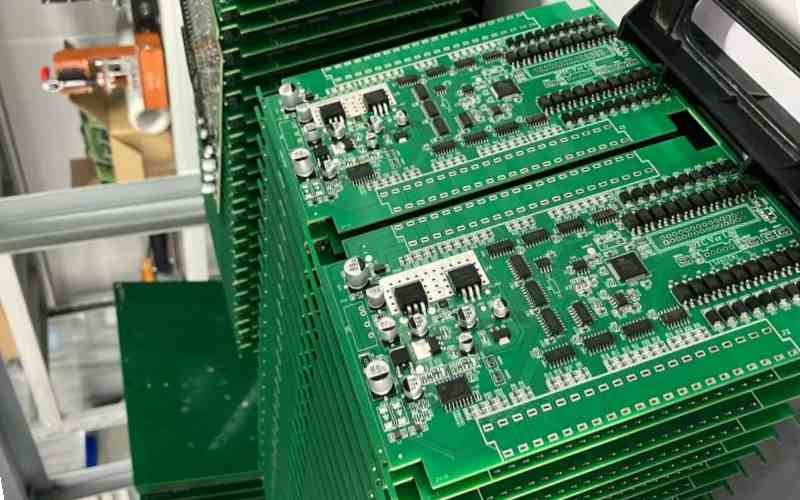
Traditional vs. Quick-Turn Prototype PCB Assembly: Which is Right for Your Project?
Traditional vs. Quick-Turn Prototype PCB Assembly: Which is Right for Your Project?
When embarking on a new electronics project, one of the critical decisions you'll face is choosing between traditional and quick-turn prototype PCB assembly. Both approaches have their merits, but understanding the differences and aligning them with your project's needs is essential for success. This article explores the nuances of each method and introduces additional keywords to help you make an informed decision.
Traditional Prototype PCB Assembly
Traditional prototype PCB assembly follows a more conventional timeline, often involving longer lead times and multiple iterations before reaching a final design. This method is suitable for projects where time is not a critical factor, and cost optimization over large volumes is a priority.
Key Features:
- Longer Lead Times: Traditional assembly can take weeks or even months, depending on the complexity and availability of components.
- Multiple Iterations: Designs may go through several rounds of revisions and testing before finalization.
- Cost Efficiency for Volume: Ideal for projects anticipating high-volume production, where cost per unit is a significant consideration.
Quick-Turn Prototype PCB Assembly
Quick-turn prototype PCB assembly, on the other hand, prioritizes speed and agility. It's designed for projects that require rapid design validation, testing, and iteration. This method is perfect for startups, R&D teams, and any scenario where time-to-market is crucial.
Key Features:
- Rapid Turnaround: Services like Rapid PCB Prototyping offer end-to-end solutions in as little as 24-72 hours.
- Design Flexibility: Quick-turn assembly accommodates last-minute design changes, reducing the risk of costly rework.
- Functional Testing: Comprehensive testing ensures your prototype meets design specifications before moving to production.
Additional Keywords and Integration:
- Expedited PCB Fabrication: For projects needing immediate attention, expedited services guarantee the fastest possible turnaround.
- SMT Prototype Services: Surface Mount Technology (SMT) is a cornerstone of quick-turn assembly, enabling high-density and high-speed circuit designs.
- PCB Prototyping Speed: The ability to rapidly prototype PCBs is essential for agile development cycles.
- On-Demand PCB Assembly: On-demand services provide the flexibility to order small quantities without minimum order requirements (MOQ).
Choosing the Right Approach
Selecting between traditional and quick-turn prototype PCB assembly depends on several factors:
- Project Timeline: If time is of the essence, quick-turn assembly is the way to go.
- Budget Constraints: Traditional assembly may offer cost savings for large volumes, but quick-turn services provide value through reduced time-to-market.
- Design Complexity: Complex designs requiring multiple iterations may benefit from the flexibility of quick-turn assembly.
FAQs
Q: What is the typical lead time for quick-turn prototype PCB assembly?
A: Lead times for quick-turn assembly range from 24 to 72 hours, depending on the complexity and component availability.
Q: Can I make design changes during the quick-turn assembly process?
A: Yes, many quick-turn providers offer flexible revisions, but changes after production starts may incur delays or costs.
Q: Is quick-turn assembly more expensive than traditional methods?
A: While quick-turn services may have a higher upfront cost, they offer value through reduced time-to-market and design flexibility.
Q: What testing is included with quick-turn prototype PCB assembly?
A: Reputable providers include basic functionality tests and may offer full functional testing upon request.
Q: Do quick-turn assembly services have minimum order quantities?
A: Most quick-turn providers, like ShwayPCB, have no MOQ, allowing single-board orders.
Conclusion
Choosing between traditional and quick-turn prototype PCB assembly hinges on your project's timeline, budget, and design complexity. Quick-turn services offer unparalleled speed and flexibility, making them ideal for agile development cycles. For reliable, high-quality quick-turn prototype PCB assembly, trust ShwayPCB. Contact us at yuan@shwaypcb.com to discuss your project's needs.