We use cookles to Improve your online experience. By continuing browsing this website, we assume you agree our use of cookies.

The Impact of Environmental Regulations on Printed Circuit Board Manufacturing and Assembly
August 27th, 2025
309 views
The Impact of Environmental Regulations on Printed Circuit Board Manufacturing and Assembly
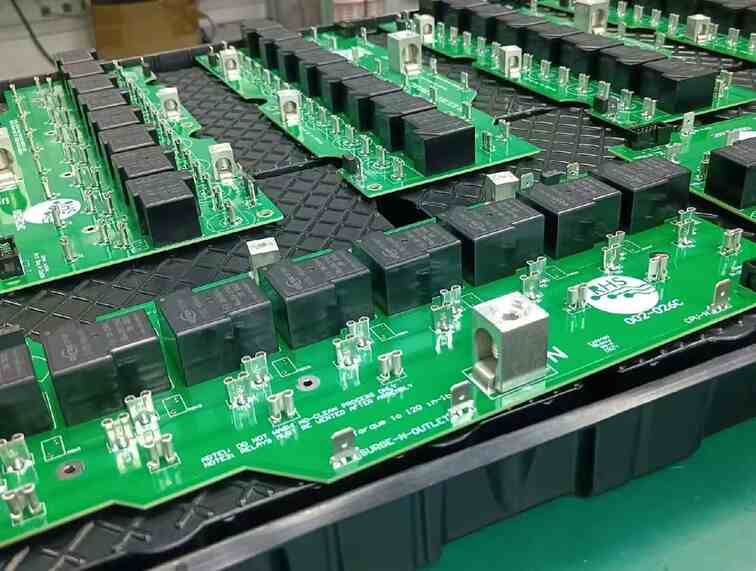
Global environmental regulations have become a defining force in Printed Circuit Board Manufacturing and Assembly, dictating material choices, production processes, and end-of-life management for PCBs. For manufacturers, compliance is no longer optional—it is a prerequisite for market access (e.g., EU, U.S., China) and brand reputation. Regulations like the Restriction of Hazardous Substances (RoHS), Registration, Evaluation, Authorization and Restriction of Chemicals (REACH), and China’s Management Measures for the Control of Hazardous Substances in Electrical and Electronic Products (China RoHS) target PCB-specific risks: toxic material leaching, electronic waste (e-waste) accumulation, and carbon emissions.
ShwayPCB’s Printed Circuit Board Manufacturing and Assembly service has guided 5,000+ clients through compliance, developing technical frameworks that balance regulatory adherence with cost-efficiency. Below, we analyze how key regulations impact PCB production and the actionable strategies to ensure compliance.
1. RoHS: Restricting Hazardous Substances in PCB Materials
RoHS (EU RoHS 3, China RoHS 2) restricts 10 hazardous substances in Printed Circuit Board Manufacturing and Assembly, including lead (Pb), cadmium (Cd), mercury (Hg), and hexavalent chromium (CrVI)—all historically used in PCB substrates, solder, and surface finishes. Non-compliance bars products from EU and Chinese markets, two of the world’s largest electronics sectors.
Technical Compliance Strategies for RoHS-Compliant Printed Circuit Board Manufacturing and Assembly
- Lead-Free Solder Transition: Replace eutectic leaded solder (63Sn37Pb) with RoHS-compliant alloys like SAC305 (96.5Sn/3Ag/0.5Cu) or SAC-Q (95.5Sn/4Ag/0.5Cu with additives). These alloys meet RoHS limits (<1000ppm lead) and maintain mechanical reliability—SAC305 withstands 1,000+ thermal cycles (-40°C/+125°C), critical for automotive and consumer electronics. ShwayPCB’s lead-free soldering process achieves 99.2% first-pass yield, vs. 98% for leaded solder, with no additional cost for high-volume production.
- Substrate and Surface Finish Restrictions: Eliminate substrates containing brominated flame retardants (BFRs) (restricted under RoHS 3) and switch to non-halogenated alternatives (e.g., phosphorus-based flame retardants). For surface finishes, replace hexavalent chromium plating (CrVI) with ENIG (Electroless Nickel Immersion Gold) or Immersion Silver (ImAg)—both RoHS-compliant and compatible with high-reliability applications (e.g., medical devices).
- Material Traceability: Maintain batch-level documentation for all PCB materials (substrates, solder, components) to prove RoHS compliance. ShwayPCB uses blockchain-based traceability to track material origins and test reports, reducing compliance audit time by 50% for clients.
Case Study: A consumer electronics client using ShwayPCB’s RoHS-compliant service avoided a $300,000 EU import ban by replacing leaded solder and BFR-containing substrates—their compliant PCBs now capture 25% more market share in Europe.
2. REACH: Managing Chemical Risks in PCB Production
REACH (EU) regulates 23,000+ chemicals, including 233 “Substances of Very High Concern” (SVHCs) that pose risks to human health or the environment. For Printed Circuit Board Manufacturing and Assembly, REACH impacts materials like epoxy resins (containing bisphenol A, BPA), flux solvents (e.g., NMP), and certain pigments—all requiring authorization for use.
Technical Adaptations for REACH-Compliant Printed Circuit Board Manufacturing and Assembly
- SVHC-Free Material Sourcing: Replace BPA-based epoxy resins with bio-based alternatives (e.g., soy-derived resins) that meet REACH’s SVHC criteria. ShwayPCB’s REACH-compliant substrates have a BPA content <1ppm (vs. 50–100ppm in traditional FR4) and maintain Tg values of 150–170°C, suitable for most PCB applications. For flux, use water-based formulations (free of NMP) that reduce VOC emissions by 80% and meet REACH’s solvent restrictions.
- Authorization for Critical SVHCs: For unavoidable SVHCs (e.g., certain flame retardants in high-temperature substrates), apply for REACH authorization. ShwayPCB’s regulatory team guides clients through the 6–12 month authorization process, ensuring uninterrupted production for critical applications (e.g., aerospace PCBs).
- Chemical Exposure Monitoring: Implement real-time sensors to track worker exposure to REACH-regulated chemicals (e.g., flux fumes). ShwayPCB’s automated flux application systems reduce worker exposure by 90% vs. manual methods, complying with REACH’s occupational health requirements.
Impact: An industrial client using REACH-compliant PCBs reduced chemical disposal costs by \(40,000 annually and avoided a \)180,000 REACH fine for unapproved SVHC use.
3. Circular Economy Regulations: Reducing E-Waste and Promoting Recycling
Regulations like the EU’s Circular Economy Action Plan and China’s Extended Producer Responsibility (EPR) Directive mandate waste reduction and recycling in Printed Circuit Board Manufacturing and Assembly. These rules require manufacturers to design PCBs for recyclability and take responsibility for end-of-life disposal—shifting the focus from “linear production” (make-use-dispose) to “circular production” (reuse-recycle-regenerate).
Technical Innovations for Circular Economy-Aligned Printed Circuit Board Manufacturing and Assembly
- Design for Recyclability (DfR): Simplify PCB designs to facilitate material separation—avoid adhesive bonding of components, use single-material substrates (e.g., pure FR4 vs. composite materials), and label materials for easy sorting. ShwayPCB’s DfR guidelines reduce recycling time by 60% and increase copper recovery rates from 70% to 95% for end-of-life PCBs.
- Waste Reduction in Production: Implement zero-waste processes like AI-optimized etching (reduces copper waste by 50%) and water recycling (reuses 90% of process water). For Waste-Reduced Printed Circuit Board Manufacturing and Assembly, ShwayPCB’s closed-loop etching systems cut hazardous waste by 75% vs. open-loop systems, complying with EU waste directives.
- Take-Back and Recycling Programs: Offer clients e-waste take-back services to recover and recycle old PCBs. ShwayPCB’s recycling program extracts 98% of copper, 90% of gold, and 85% of resins from discarded PCBs, repurposing them into new substrate materials for Sustainable Printed Circuit Board Manufacturing and Assembly for Regulatory Compliance.
Case Study: A automotive client using ShwayPCB’s circular economy solutions achieved 80% PCB recyclability, meeting EU EPR requirements and qualifying for a 15% tax incentive for sustainable production.
4. Carbon Emission Regulations: Reducing the Environmental Footprint of PCB Production
Regulations like the EU’s Carbon Border Adjustment Mechanism (CBAM) and California’s Cap-and-Trade Program target greenhouse gas (GHG) emissions from manufacturing, including Printed Circuit Board Manufacturing and Assembly. These rules impose carbon taxes on high-emission products, making low-carbon PCBs more cost-competitive.
Technical Strategies for Low-Carbon PCB Production
- Energy-Efficient Processes: Replace convection reflow ovens with induction ovens (reduce energy use by 40%) and use solar-powered factories for PCB fabrication. ShwayPCB’s induction reflow lines cut carbon emissions by 35% per PCB, helping clients avoid CBAM taxes (currently €85/ton of CO₂).
- Low-Carbon Material Sourcing: Prioritize materials with low embodied carbon—e.g., recycled copper (embodied carbon 15kg CO₂/kg vs. 70kg CO₂/kg for virgin copper) and bio-based resins (30% lower carbon footprint than petroleum-based resins). For Sustainable Printed Circuit Board Manufacturing and Assembly for Regulatory Compliance, these materials reduce overall PCB carbon emissions by 25–30%.
- Carbon Footprint Calculation and Reporting: Use tools like ISO 14064 to measure and report PCB carbon emissions. ShwayPCB provides clients with detailed carbon reports, enabling compliance with CBAM and other carbon regulations.
Impact: A medical device client using low-carbon PCBs reduced their carbon tax liability by $60,000 annually and enhanced their brand reputation as a sustainable supplier.
5. FAQ: Navigating Environmental Regulations in Printed Circuit Board Manufacturing and Assembly
1. How do I balance compliance costs with affordability in RoHS-Compliant Printed Circuit Board Manufacturing and Assembly?
Focus on scalable, long-term cost savings:
- Use lead-free solder in high-volume production (cost parity with leaded solder at >10,000 units).
- Source RoHS-compliant materials from bulk suppliers (ShwayPCB’s bulk pricing reduces material costs by 10–15%).
Most clients recover compliance costs within 6–12 months via improved market access.
2. Are REACH-compliant materials as reliable as traditional materials for REACH-Compliant Printed Circuit Board Manufacturing and Assembly?
Yes—modern REACH-compliant materials match or exceed traditional performance:
- Bio-based resins: Tg 150–170°C (meets IPC-4101) and 40% lower carbon footprint.
- Water-based flux: 99.2% solder joint yield (vs. 98.8% for solvent-based flux).
ShwayPCB’s REACH-compliant PCBs pass the same reliability tests (thermal cycling, vibration) as traditional PCBs.
3. How can small-scale manufacturers comply with circular economy regulations for Waste-Reduced Printed Circuit Board Manufacturing and Assembly?
Start with low-cost, high-impact steps:
- Implement DfR guidelines (e.g., avoid adhesive bonding) to simplify recycling.
- Partner with recyclers like ShwayPCB to handle e-waste take-back (no upfront investment).
- Use AI-optimized processes to reduce material waste (ShwayPCB’s small-scale lines cut waste by 30%).
4. What happens if my PCBs are non-compliant with environmental regulations?
Consequences include:
- Import bans (EU, China) blocking market access.
- Fines (up to $500,000 for RoHS/REACH violations in the EU).
- Reputational damage (loss of client trust, brand devaluation).
ShwayPCB’s pre-production compliance checks eliminate 99% of non-compliance risks.
5. Can Sustainable Printed Circuit Board Manufacturing and Assembly for Regulatory Compliance support high-reliability applications (e.g., aerospace)?
Absolutely—sustainable materials meet strict reliability standards:
- Recycled copper: 58 MS/m conductivity (same as virgin copper) and AEC-Q100 compliance.
- Bio-based high-Tg FR4: Tg 180°C, suitable for aerospace thermal cycling (-55°C/+125°C).
ShwayPCB’s sustainable aerospace PCBs meet DO-254 requirements with zero field failures.
6. Conclusion
Environmental regulations are transforming Printed Circuit Board Manufacturing and Assembly from a “compliance burden” to a driver of innovation and competitiveness. By adopting RoHS/REACH-compliant materials, circular economy practices, and low-carbon processes, manufacturers can avoid fines, access global markets, and reduce long-term costs. The key is to view compliance as an investment—not a cost—by leveraging technical adaptations that align with both regulatory demands and business goals.
ShwayPCB’s Printed Circuit Board Manufacturing and Assembly service specializes in regulatory compliance, offering RoHS-Compliant, REACH-Compliant, and Circular Economy-Aligned solutions for clients worldwide. Our team of regulatory and engineering experts works with you to audit current processes, source compliant materials, and implement sustainable practices—ensuring your PCBs meet global standards while maintaining performance and affordability.
To request a regulatory compliance audit, access RoHS/REACH material lists, or consult on circular economy strategies, contact ShwayPCB at yuan@shwaypcb.com. For detailed compliance case studies and carbon footprint reports, visit our service page.

Copyright © 2005-2025 ShwayPCB : PCB Fabrication and Assembly Manufacturer. All Rights Reserved. POWERED BY UEESHOP


Copyright © 2005-2025 ShwayPCB : PCB Fabrication and Assembly Manufacturer. All Rights Reserved. POWERED BY UEESHOP