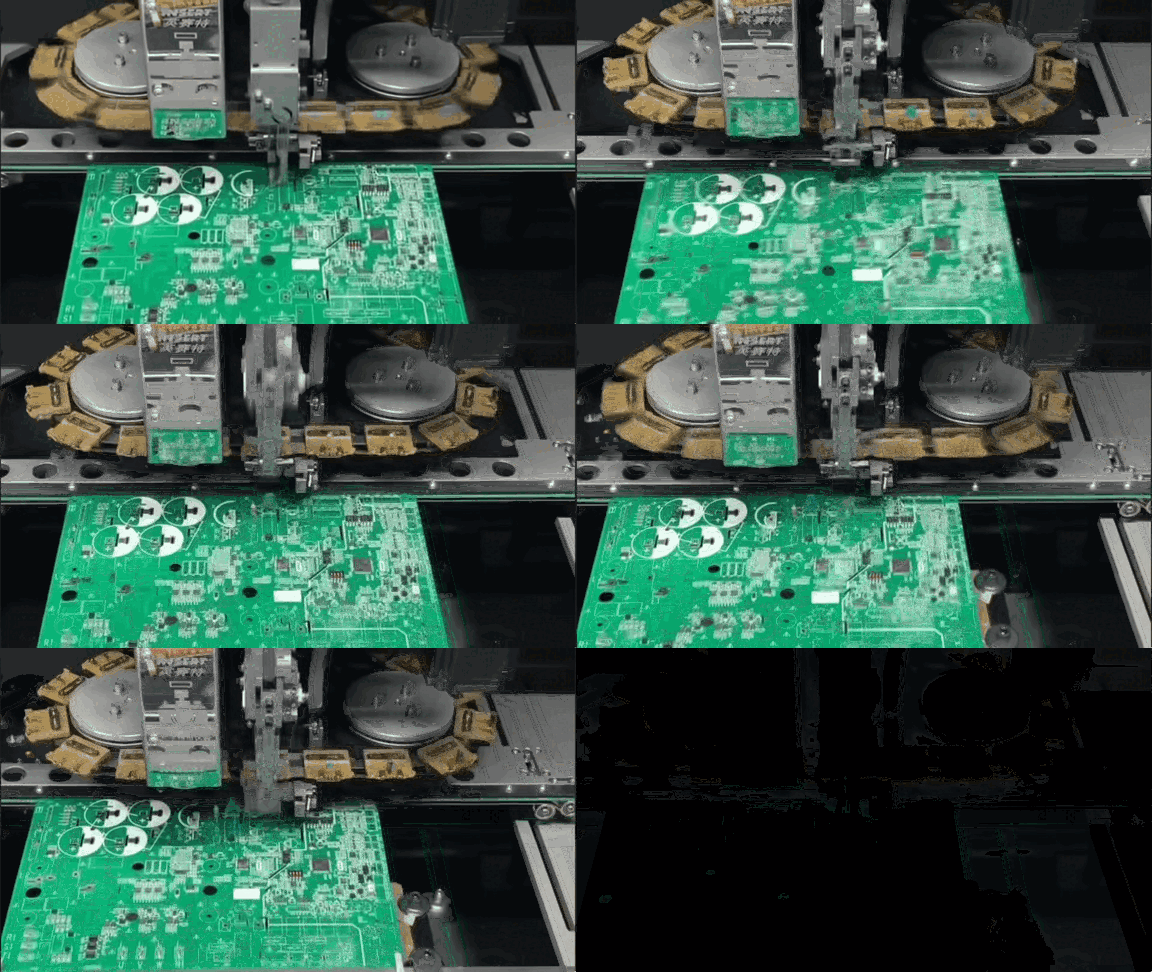
Surface Finish Options for PCB Prototypes: ENIG vs. HASL vs. OSP
Surface Finish Options for PCB Prototypes: ENIG vs. HASL vs. OSP
Selecting the right surface finish for PCB prototypes is crucial for solderability, reliability, and long-term performance. While HASL (Hot Air Solder Leveling) remains a cost-effective choice, ENIG (Electroless Nickel Immersion Gold) and OSP (Organic Solderability Preservative) offer distinct advantages for high-precision, medical, or RF applications.
This guide compares these finishes, explores 6-8 high-intent keywords for SEO, and explains why ShwayPCB (email: yuan@shwaypcb.com) is a top choice for rapid prototyping with ENIG, HASL, and OSP finishes.
1. Why Surface Finish Matters in PCB Prototyping
The surface finish protects copper traces from oxidation, ensures reliable solder joints, and impacts:
- Shelf life (some finishes degrade faster than others).
- Solderability (critical for fine-pitch components like 0201 or BGAs).
- Cost (HASL is cheaper; ENIG is premium).
- Environmental compliance (RoHS, REACH, or medical-grade requirements).
1.1 Key Factors to Consider
- Component density (fine-pitch parts need flat finishes like ENIG).
- Storage conditions (OSP has a shorter shelf life than ENIG).
- Application (medical PCBs often require ENIG for biocompatibility).
- Budget (HASL is best for low-cost prototypes).
2. HASL (Hot Air Solder Leveling): The Cost-Effective Choice
HASL is the most common surface finish, where molten solder coats exposed copper, then excess is leveled with hot air.
2.1 Advantages
- Low cost (2 per board, ideal for budget prototypes).
- Wide availability (all PCB manufacturers offer HASL).
- Good solderability for through-hole and large SMT components.
- Repairable (damaged pads can be re-tinned).
2.2 Limitations
- Uneven surface (not suitable for fine-pitch BGAs or 0201 parts).
- Thermal stress (high-temperature process may warp thin PCBs).
- Lead-free options (RoHS-compliant HASL uses SnAgCu solder but costs more).
2.3 Best For
- Consumer electronics
- LED lighting
- Low-cost IoT devices
Example: A startup prototyping a Bluetooth speaker would benefit from HASL due to its affordability and reliability for standard SMT components.
3. ENIG (Electroless Nickel Immersion Gold): High-Precision & Reliable
ENIG deposits a thin nickel layer (2–5μm) followed by immersion gold (0.05–0.1μm), offering a flat, corrosion-resistant surface.
3.1 Advantages
- Excellent for fine-pitch components (0.3mm pitch BGAs, 0201 parts).
- Long shelf life (12+ months without oxidation).
- Biocompatible (ideal for medical PCBs).
- Wire bondable (supports semiconductor packaging).
- RoHS/REACH compliant (no lead or halogens).
3.2 Limitations
- Higher cost (5 per board, 2–3x more than HASL).
- Black pad risk (improper plating can cause nickel corrosion).
- Longer lead time (requires additional plating steps).
3.3 Best For
- Medical devices (implantables, diagnostic equipment)
- High-frequency RF designs (5G, Wi-Fi 6E)
- Automotive electronics (ADAS, sensors)
Example: A medical device company prototyping an ECG monitor would choose ENIG for its biocompatibility and reliability in long-term use.
4. OSP (Organic Solderability Preservative): Eco-Friendly & Budget-Friendly
OSP applies a thin organic coating to prevent copper oxidation, offering a flat surface similar to ENIG but at a lower cost.
4.1 Advantages
- Low cost (1 per board, cheaper than ENIG).
- Flat surface (suitable for fine-pitch components).
- Eco-friendly (no heavy metals like lead or nickel).
- Fast processing (1–2 hour application).
4.2 Limitations
- Short shelf life (6–12 months, requires climate-controlled storage).
- Sensitive to handling (fingerprints can degrade the coating).
- Not repairable (damaged pads require re-coating).
4.3 Best For
- Eco-conscious consumer electronics
- Short-lifecycle products (disposable devices)
- High-volume production where ENIG is too expensive
Example: A company prototyping a disposable IoT sensor would use OSP to reduce costs while maintaining solderability.
5. PCB surface treatment
- ENIG PCB prototype assembly
- HASL vs. ENIG cost comparison
- OSP finish shelf life
- Lead-free HASL for medical PCBs
- Fine-pitch BGA surface finish
- RoHS-compliant PCB finishes
- Biocompatible PCB surface treatment
- OSP vs. ENIG for 5G designs
6. How to Choose the Right Surface Finish
| Factor | HASL | ENIG | OSP |
|---|---|---|---|
| Cost | Low | High | Low |
| Shelf Life | 6 months | 12+ months | 6–12 months |
| Fine-Pitch Suitability | Poor | Excellent | Good |
| Medical Compliance | No | Yes | No |
| Eco-Friendly | No (lead options) | No (nickel) | Yes |
Recommendation:
- Use HASL for low-cost, general-purpose prototypes.
- Choose ENIG for medical, automotive, or high-frequency designs.
- Opt for OSP if budget is critical and shelf life isn’t a concern.
7. Why Choose ShwayPCB for Surface Finish Expertise?
- ISO 13485 & AEC-Q200 compliance (medical/automotive-grade finishes).
- 24-hour turnaround for ENIG, HASL, and OSP prototypes.
- Free DFM analysis to prevent finish-related manufacturing issues.
- No MOQ (order 1 board for testing or 500 for production).
- Functional testing included (continuity, impedance, RF validation).
Case Study: A client prototyping a 77GHz automotive radar needed ENIG for reliability. ShwayPCB delivered 50 boards in 48 hours with AEC-Q200-compliant plating.
8. FAQs About PCB Surface Finishes
Q: Can I use OSP for medical devices?
A: No. OSP lacks biocompatibility; use ENIG instead.
Q: How much more does ENIG cost than HASL?
A: ENIG typically costs 2–3x more but ensures reliability for fine-pitch parts.
Q: Does ShwayPCB offer lead-free HASL?
A: Yes, we provide RoHS-compliant SnAgCu HASL.
Q: What’s the shelf life of ENIG-finished PCBs?
A: 12+ months if stored in a dry, climate-controlled environment.
Q: Can you assemble PCBs with mixed surface finishes?
A: Yes! We support hybrid finishes (e.g., ENIG for BGAs, HASL for power components).
9. Conclusion
The right surface finish depends on your application:
- HASL: Best for budget prototypes with standard components.
- ENIG: Ideal for medical, automotive, and high-precision designs.
- OSP: Perfect for eco-friendly, short-lifecycle products.
For rapid prototyping with all three finishes, ShwayPCB (email: yuan@shwaypcb.com) offers ISO-certified assembly, 24-hour turnaround, and free DFM support.