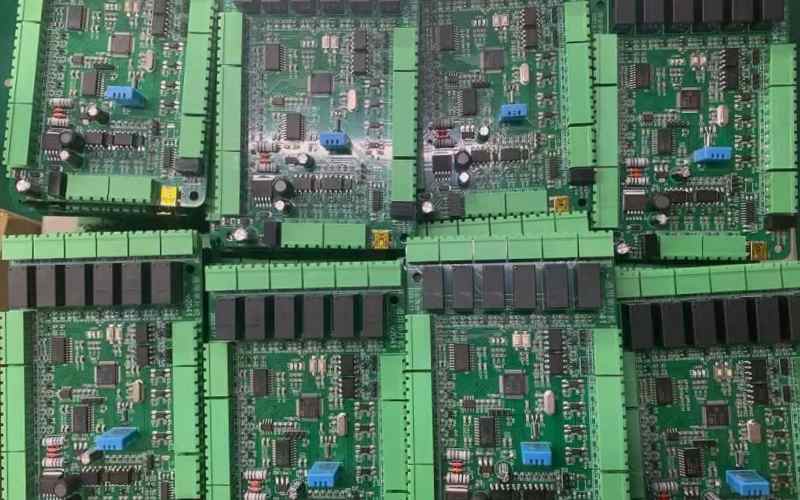
For electronics manufacturers targeting the European market, compliance with RoHS and REACH is not just a regulatory formality but a critical safeguard against legal penalties, product seizures, and reputational damage. FR4 PCB assemblies, as core components in nearly all electronic devices, must adhere to these strict standards, which restrict hazardous substances and mandate transparency in chemical composition. RoHS & REACH compliant FR4 assembly companies integrate specialized material sourcing, process controls, and documentation to ensure compliance, enabling seamless market access and reducing liability risks. Below is an analysis of how these companies navigate European regulations and protect clients from legal pitfalls.
RoHS 2.0 (Directive 2011/65/EU) restricts the use of 10 hazardous substances in electrical and electronic equipment (EEE), including FR4 PCBs. For FR4 assemblies, critical restrictions include:
- Lead (Pb): Limited to 0.1% by weight in solder, components, and FR4 laminates. Exemptions exist for certain high-reliability applications (e.g., medical devices), but consumer electronics and industrial equipment must use lead-free alternatives (e.g., Sn96.5Ag3.0Cu0.5 solder).
- Cadmium (Cd): Prohibited in all materials (0.01% limit), including FR4 resin additives and plating.
- Hexavalent chromium (CrVI): Banned in surface treatments like chromium plating, with alternatives (e.g., trivalent chromium) required for PCB edge connectors.
REACH (Regulation (EC) 1907/2006) governs the use of chemicals in the EU, requiring companies to manage risks from substances of very high concern (SVHCs). For FR4 PCBs, key REACH obligations include:
- SVHC Declaration: Notifying customers if PCBs contain SVHCs above 0.1% weight by weight (e.g., brominated flame retardants like decabromodiphenyl ether, phthalates in solder masks).
- Authorization: Avoiding SVHCs subject to authorization (e.g., lead chromate pigments in silkscreen inks) unless an exemption is granted.
- Registration: Ensuring suppliers of FR4 laminates and chemicals have registered substances with the European Chemicals Agency (ECHA) if production volumes exceed 1 ton/year.
RoHS & REACH compliant FR4 manufacturing requires end-to-end control over materials and processes, from resin formulation in laminates to final assembly. Explore such capabilities at
EU-compliant FR4 assembly services.
Compliant companies rigorously vet materials to exclude restricted substances:
- FR4 Laminates: Sourcing halogen-free or low-halogen FR4 (e.g., IPC-4101/91) to avoid brominated flame retardants (PBBs, PBDEs) restricted under RoHS and REACH. High-Tg variants (170°C+) are available for thermal performance without hazardous additives.
- Solder and Adhesives: Using lead-free solder alloys (per J-STD-006) and RoHS-compliant adhesives free from phthalates and cadmium.
- Component Qualification: Ensuring passive and active components (resistors, ICs) meet RoHS requirements, with certificates of compliance (CoCs) from suppliers.
For example, a smart home device manufacturer avoided a 2023 EU recall by using REACH-compliant FR4 laminates free of SVHCs like short-chain chlorinated paraffins (SCCPs), which are restricted in plastic components.
Even compliant materials can become non-compliant if processes introduce contaminants:
- Separate Production Lines: Maintaining dedicated lines for RoHS/REACH-compliant assemblies to prevent cross-contamination with leaded solder or non-compliant components.
- Cleaning Protocols: Using solvents free from REACH SVHCs (e.g., NMP) to remove flux residues, with MSDS (Material Safety Data Sheets) verification for all chemicals.
- Audit Trails: Documenting every process step, from laminate cutting to final inspection, to demonstrate compliance during EU customs checks or ECHA audits.
These controls are critical because accidental contamination—such as leaded solder splatter on a lead-free PCB—can invalidate compliance and trigger legal action.
EU regulations demand rigorous documentation to prove compliance:
- RoHS Declaration of Conformity (DoC): A legally binding document certifying that FR4 PCBs meet RoHS 2.0 requirements, signed by a company representative.
- REACH SVHC Reports: Providing customers with lists of substances in PCBs, including concentrations of any SVHCs above 0.1% (per Article 33 of REACH).
- Traceability Records: Linking each PCB batch to material CoCs, test reports, and process logs, enabling rapid recalls if non-compliant substances are detected.
EU regulatory documentation must be maintained for 10 years post-production, as required by RoHS and REACH for product liability purposes.
EU member states enforce RoHS and REACH with fines up to €100,000+ and product seizures. For example, a 2022 case saw German customs impound 50,000 smartphones due to leaded solder in FR4 PCBs, costing the manufacturer €2M in storage and remediation fees.
REACH holds producers liable for damages caused by non-compliant substances. A 2021 lawsuit in France awarded €500,000 to consumers after FR4 PCBs in kitchen appliances leached phthalates (a REACH SVHC) into food, causing health concerns.
Non-compliant products are barred from the EU market, with retailers facing fines for stocking them. This can cripple revenue streams—EU electronics sales exceed €300B annually, making compliance a business imperative.
- Halogen-free FR4 for Europe: Laminates avoiding brominated flame retardants to meet REACH and RoHS.
- EU RoHS documentation: Critical paperwork (DoC, CoCs) for customs and legal compliance.
- REACH SVHC testing: Analysis to detect restricted substances in FR4 materials and assemblies.
While the regulations are EU-wide, enforcement varies by country. Germany and France have stricter inspections, while Eastern EU states focus on high-risk products (e.g., children’s electronics).
Yes—exemptions exist for lead in high-temperature solder (e.g., for automotive PCBs operating above 125°C) under RoHS Annex III. However, exemptions are temporary and require renewal.
ECHA updates the SVHC list 2–3 times annually. Recent additions (e.g., perfluorohexane sulfonic acid, PFHxS) impact FR4 plating processes, requiring manufacturers to update material specs.
Yes—older FR4 laminates may include brominated flame retardants, phthalates in solder masks, and heavy metals in plating, making multi-substance testing critical.
UL, TÜV, and SGS offer certification programs, testing FR4 materials and processes to confirm compliance. These certifications streamline EU market access.
ShwayPCB specializes in RoHS & REACH compliant FR4 PCB assembly for the European market, with halogen-free materials, dedicated clean production lines, and comprehensive documentation. Their processes prevent legal pitfalls, ensuring seamless access to EU markets.
Contact their EU compliance team at
yuan@shwaypcb.com to secure your FR4 PCB’s compliance.