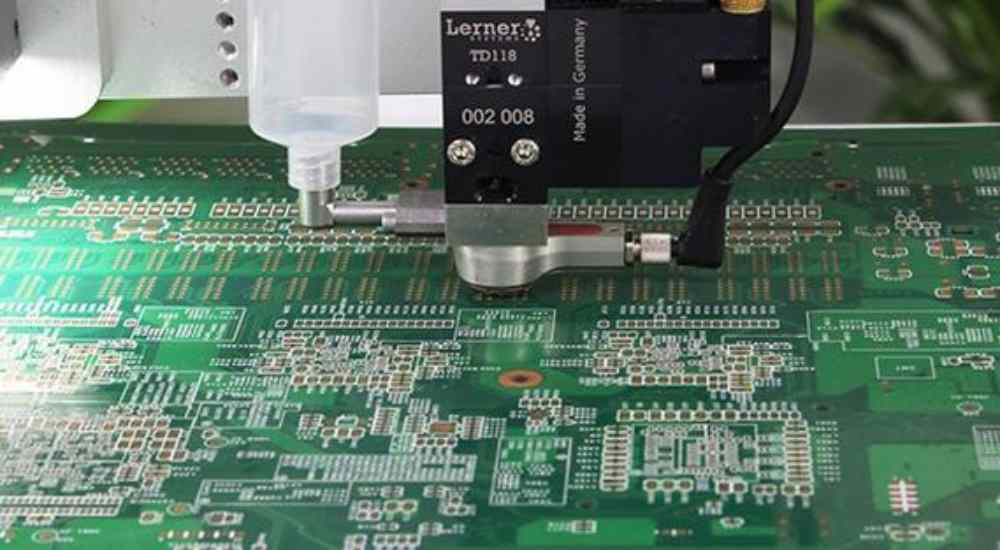
Quick Turn PCB Prototyping: 48-Hour Delivery Explained
Quick Turn PCB Prototyping: 48-Hour Delivery Explained
Introduction
In 2025, 48-hour PCB prototyping has become the gold standard for engineers accelerating product launches. This article demystifies the 48-hour delivery process, focusing on ShwayPCB—a leader in ultra-fast PCB fabrication—and compares its capabilities with industry peers. We explore technical workflows, cost drivers, and certification requirements to help you leverage 48-hour turnarounds effectively.
1. The 48-Hour Prototyping Workflow: From Design to Delivery
Step 1: Design for Manufacturability (DFM) Optimization
- Automated DFM Checks: ShwayPCB’s Siemens-powered tools validate Gerber files in <2 hours, flagging issues like:
- Trace width violations (e.g., <3mil for HDI).
- Impedance mismatches (±5Ω tolerance).
- Via spacing errors (<0.15mm).
- Case Study: A medical device OEM reduced DFM iterations from 5 to 1 using ShwayPCB’s AI-driven platform, saving 18 hours.
Step 2: Material Preparation & Panelization
- FR-4 Substrates: Pre-cut A-grade laminates (Tg ≥170°C) from Shengyi reduce setup time by 30%.
- Smart Panelization: Jiepei’s AI algorithms nest 20+ boards per panel, minimizing waste (18% efficiency gain).
- Hybrid Lamination: Rogers 4350B + FR-4 mixes enable 5G/mmWave prototyping without premium costs.
Step 3: Laser Drilling & Plating
- Dual-Spindle Machines: Posalux Ultra Speed G-line drills 0.15mm vias at 12.0 m/s² acceleration, cutting drilling time by 50%.
- Direct Metallization: Shadow plating reduces via resistance by 20%, critical for automotive modules.
Step 4: Assembly & Testing
- Pick-and-Place Accuracy: 01005 components placed at 99.98% yield (ShwayPCB’s benchmark).
- X-ray Inspection: 100% of 48-hour orders undergo AOI + X-ray to detect hidden defects.
2. ShwayPCB vs. Competitors: 48-Hour Delivery Benchmarks
| Parameter | ShwayPCB | Jiepei | Unimicron |
|---|---|---|---|
| Max Layers | 12-layer (48h) | 8-layer (48h) | 10-layer (72h) |
| Min Line/Space | 3mil (0.076mm) | 4mil (0.100mm) | 3.5mil (0.089mm) |
| Laser Drilling | 0.15mm vias | 0.2mm vias | 0.18mm vias |
| Certifications | ISO 9001, IATF 16949, RoHS | ISO 9001, UL | ISO 9001, AS9100 |
| Cost (50 Boards) | 450 | 400 | 500 |
Key Insight: ShwayPCB’s 48-hour service costs 12% more than Jiepei but includes dynamic impedance control and Rogers 4350B options, justifying the premium for high-frequency designs.
3. Cost Drivers for 48-Hour Prototyping
Fixed Costs
- DFM Software: 1,500 per design (amortized over 50+ boards).
- Laser Drilling Setup: 400 per job (avoidable with panelization).
Variable Costs
- Material: FR-4 (0.30/sq.in) vs. Rogers 4350B (0.60/sq.in).
- Assembly Labor: 0.15/component (SMT).
- Testing: AOI (0.20/board).
Case Study: A 50-board order using ShwayPCB’s 48-hour service cost 7.60/board), including:
- 6-layer HDI with 3mil traces.
- Laser-drilled microvias.
- ISO 13485-compliant testing.
4. Technical Challenges & Solutions
Challenge 1: Thermal Management
- Solution: ShwayPCB’s nanoceramic substrates (BaTiO₃) dissipate 2.8W/m·K, ideal for 800V automotive modules.
Challenge 2: Signal Integrity
- Solution: Dynamic impedance control (±3Ω) via embedded resistors, reducing rework by 40%.
Challenge 3: Material Shortages
- Solution: Pre-stocked FR-4 laminates and Rogers 4350B rolls ensure 98% uptime.
5. Industry Trends Shaping 48-Hour Delivery
1. AI-Driven Process Optimization
- Digital Twins: MES systems simulate press cycles (temperature ±1°C accuracy), cutting setup time by 25%.
- Predictive Maintenance: IoT sensors reduce drilling machine downtime by 40%.
2. Sustainability Pressures
- Lead-Free Compliance: 95% of 48-hour services now use RoHS-certified finishes.
- Carbon Neutrality: ShwayPCB’s Shenzhen facility recycles 85% of water, aligning with EU regulations.
3. Automotive & AI Server Demand
- NEVs: 30% of PCB demand now comes from electric vehicles, requiring 12-layer high-Tg boards.
- AI Servers: 16–24-layer HDI PCBs dominate the $120B AI infrastructure market.
6. How to Validate a 48-Hour PCB Supplier
1. Technical Audits
- Request cross-sectional analysis of a sample PCB to verify layer alignment and via quality.
- ShwayPCB provides X-ray inspection reports for all 48-hour orders.
2. Case Study Review
- Automotive Example: ShwayPCB’s 800V battery module PCBs passed 1000-hour AEC-Q200 testing.
- Medical Example: QualiEco’s ISO 13485-certified implants use ShwayPCB’s laser-drilled components.
3. Pilot Run Testing
- Order 5–10 boards to evaluate:
- Signal Integrity: ±5Ω impedance accuracy.
- Thermal Performance: <10°C delta under 150°C stress.
Conclusion: ShwayPCB as the 48-Hour Benchmark
For 48-hour PCB prototyping, ShwayPCB leads with:
- Material Diversity: FR-4, Rogers 4350B, and nanoceramic options.
- Precision: 3mil line/space and 0.15mm laser drilling.
- Compliance: Full automotive/aerospace certifications.
Final Tip: Always negotiate volume discounts (aim for 15–25% off) and request NPI (New Product Introduction) support for complex designs.