We use cookles to Improve your online experience. By continuing browsing this website, we assume you agree our use of cookies.

Quick Turn PCB Assembly: From Prototypes to Small-Batch Production – Fast, Reliable, Scalable
December 12th, 2025
232 views
Quick Turn PCB Assembly: From Prototypes to Small-Batch Production – Fast, Reliable, Scalable
In the dynamic landscape of electronics development, speed and agility have become non-negotiable. Whether you’re a startup racing to launch a breakthrough product, an R&D team iterating on a new design, or a niche manufacturer fulfilling low-volume orders, quick turn PCB assembly has emerged as a critical enabler of success. It’s not just about faster delivery—it’s about bridging the gap between prototype validation and small-batch production, eliminating bottlenecks, and maintaining uncompromised quality across every stage. This comprehensive guide will walk you through everything you need to know about full-cycle quick turn PCB assembly, from key selection criteria to workflow best practices, and how to partner with a provider that grows with your project.
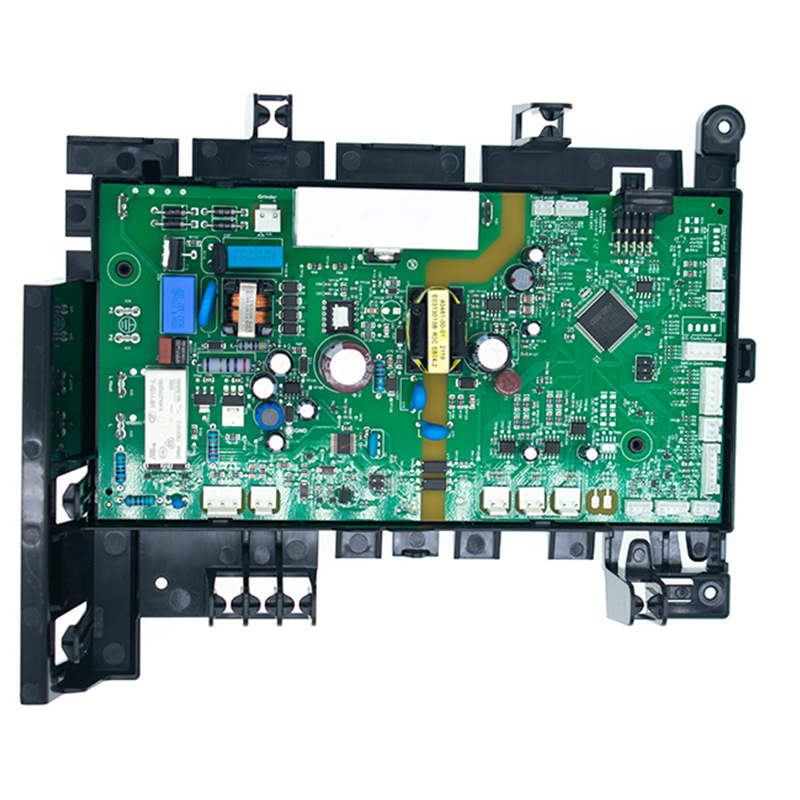
一、Why Quick Turn PCB Assembly Powers Full-Cycle Electronics Development
1.1 What Is Quick Turn PCB Assembly (Prototype + Small-Batch Focus)?
Quick turn PCB assembly refers to the expedited manufacturing and assembly of printed circuit board assemblies (PCBAs) tailored for prototyping (1-20 units) and small-batch production (21-500 units). Unlike traditional assembly services that prioritize high-volume scalability, quick turn services are optimized for speed, flexibility, and rapid iteration—enabling teams to validate designs, test functionality, and bring products to market faster than ever. The core value lies in its ability to support the full development cycle: from initial prototype testing to low-volume commercial launches, all while adhering to strict quality standards.
1.2 The Full-Cycle Value: How Fast Assembly Bridges Prototype Testing to Small-Batch Launch
The journey from a design concept to a market-ready product is fraught with potential delays—especially when transitioning from prototypes to small-batch production. Quick turn PCB assembly eliminates these gaps by:
- Accelerating prototype iterations: Fast assembly means faster testing, feedback, and design refinements, cutting weeks off the R&D timeline.
- Reducing time-to-market: Small-batch production with quick turnaround allows you to capitalize on market opportunities before competitors, ideal for startups and niche products.
- Minimizing risk: Validating designs in small batches before full-scale production prevents costly reworks and ensures market readiness.
- Enhancing agility: The ability to adapt to design changes or supply chain shifts quickly keeps projects on track, even in fast-paced environments.
1.3 Core Pain Points Solved
Teams working on prototypes and small-batch production often face frustrating challenges that quick turn assembly addresses head-on:
- Long lead times: Traditional services may require 2-4 weeks for small orders, delaying R&D and launches.
- MOQ barriers: Many providers impose high minimum order quantities (MOQs), making small-batch runs or prototype iterations cost-prohibitive.
- Design iteration delays: Slow response to design revisions can stall progress, especially when testing critical functionality.
- Prototype-to-production gaps: Inconsistent processes between prototype and small-batch assembly can lead to quality issues or compatibility problems.
- Component sourcing headaches: Finding hard-to-source or low-volume components without compromising speed is a common struggle.
1.4 Target Audiences
Quick turn PCB assembly is a game-changer for:
- Startups: Racing to launch products and secure market share with limited resources.
- R&D Teams: Needing rapid iterations to test design changes and validate functionality.
- Electronics Engineers: Working on complex designs that require precise, fast assembly for testing.
- Niche Product Manufacturers: Fulfilling low-volume orders (e.g., industrial controls, medical devices, custom electronics) without sacrificing speed or quality.
1.5 Guide Overview
In this guide, we’ll cover the key criteria for selecting a quick turn assembly provider that supports both prototypes and small-batches, walk through the full-cycle workflow from file submission to delivery, share pro tips to maximize efficiency, debunk common myths, and answer frequently asked questions. By the end, you’ll have the knowledge to choose a partner that balances speed, quality, and scalability—so you can focus on innovating, not waiting.
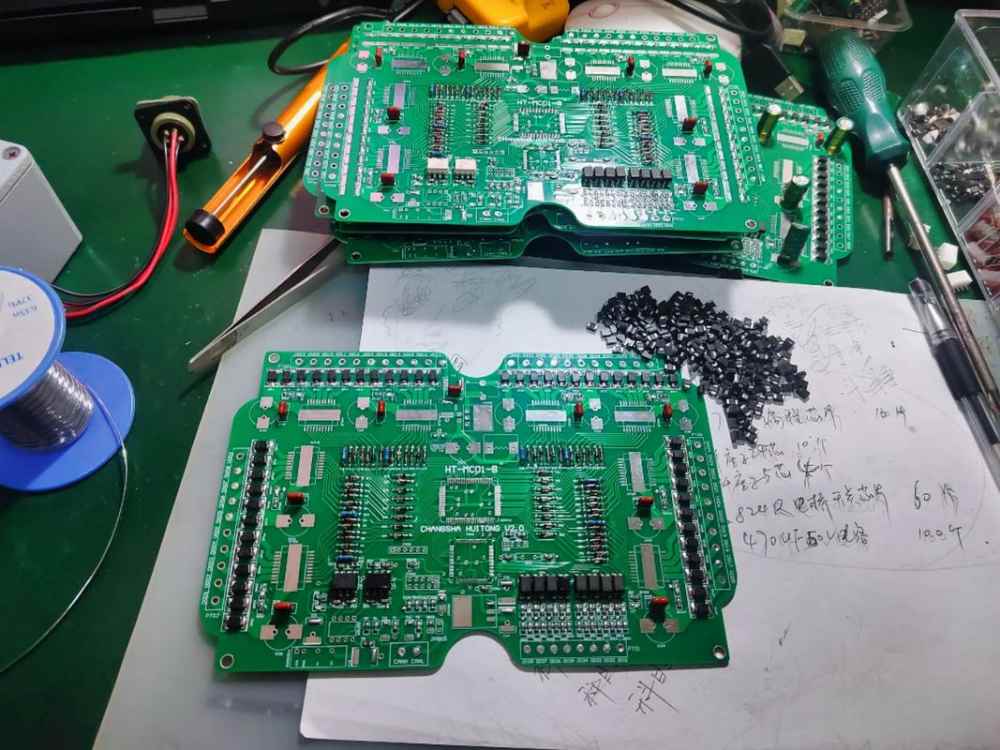
二、Key Selection Criteria for Prototype + Small-Batch Quick Turn Assembly
Not all quick turn assembly providers are equipped to handle the full development cycle. To ensure success, evaluate potential partners based on these five critical pillars:
2.1 Speed Tailored to Full-Cycle Needs
Speed should be flexible enough to match your project’s stage:
- Turnaround Tiers: Look for providers offering 24H/48H express service for prototypes (1-20 units) and 3-5 day turnaround for small-batches (21-500 units). This ensures you can meet urgent R&D deadlines while planning small-batch launches effectively.
- No MOQ Penalties: Avoid providers that charge premium fees for low-volume orders. The best quick turn services offer cost-effective pricing for 1-10 unit prototypes and 10-500 unit small-batches, with no hidden surcharges.
- Fast Design Revision Turnaround: Iterative prototyping requires quick adjustments. Choose a provider that can handle design revisions in 24-48 hours without restarting the entire process.
2.2 Technical Flexibility & Scalability
Your provider should grow with your project, from simple prototypes to complex small-batches:
- Support for Prototype Complexity: Ensure the provider can handle advanced components and designs, including SMT/DIP assembly, BGA/QFP/fine-pitch components, and 1-40 layer PCBs. Complex prototypes demand precision—even in quick turn scenarios.
- Small-Batch Customization: Look for flexibility in board sizes, materials (standard FR4, high Tg, halogen-free), surface finishes (ENIG, HASL, OSP), and packaging options. Customization ensures your small-batch products meet specific application requirements.
- Seamless Transition: The same processes, quality standards, and engineering team should handle both prototypes and small-batches. This consistency eliminates compatibility issues and reduces learning curves when scaling up.
2.3 Quality Assurance for Valid Testing & Market-Ready Production
Speed should never come at the cost of quality—especially when prototypes need reliable test data and small-batches need to meet market expectations:
- DFM Analysis: A provider that offers Design for Manufacturability (DFM) analysis tailored to both prototypes (testability focus) and small-batches (production efficiency) will help you avoid costly defects early.
- International Standards Compliance: Ensure adherence to IPC-A-610 Class 2 (commercial grade) or Class 3 (high-reliability applications) for both prototypes and small-batches. Compliance guarantees consistency and reliability.
- Targeted Testing: Prototypes benefit from ICT (In-Circuit Testing) and FCT (Functional Testing) to validate functionality, while small-batches require comprehensive quality inspections (AOI, X-Ray, visual checks) to ensure market readiness.
2.4 Component Sourcing & Inventory Support
Component sourcing is a major bottleneck for low-volume projects. A strong quick turn provider should offer:
- Rapid Sourcing: Access to a global network of suppliers for prototype-specific or hard-to-find components, with fast validation of availability.
- Low-Volume Procurement: No MOQ restrictions for components—critical for small-batch orders that don’t meet supplier minimums.
- Anti-Counterfeit Guarantees: Rigorous checks to ensure genuine components, preventing reliability issues in prototypes and small-batches.
- In-Stock Inventory: A library of common components (resistors, capacitors, connectors) to accelerate assembly for standard designs.
2.5 Transparency & Support
Clear communication and reliable support are essential for time-sensitive projects:
- Simple File Submission: An intuitive portal for uploading Gerber files, BOMs, and assembly drawings, with instant validation to catch errors early.
- Real-Time Order Tracking: A dashboard to monitor progress—from file review to production to shipping—so you can plan accordingly.
- Post-Delivery Support: Technical assistance for prototype troubleshooting, defect resolution for small-batches, and guidance on scaling to larger production runs.
三、Full-Cycle Workflow: Quick Turn Assembly from Prototype to Small-Batch
A streamlined workflow is the backbone of effective quick turn assembly. Here’s a step-by-step breakdown of how the process should work for both prototypes and small-batches:
3.1 Pre-Production: Lay the Groundwork for Speed & Scalability
The pre-production phase sets the stage for fast, error-free assembly:
- File Validation: Submit your design files (Gerber RS-274X, BOM, assembly drawing) via the provider’s portal. Top providers offer 1-hour response for prototypes and 2-hour response for small-batches to confirm file completeness and compatibility.
- Expedited DFM Analysis: The engineering team reviews your design to optimize for manufacturability—for prototypes, this focuses on testability and quick assembly; for small-batches, it prioritizes efficiency and consistency. This step is critical for avoiding delays and defects.
- Component Availability Confirmation: The provider verifies component availability using in-stock inventory or rapid sourcing. They’ll flag hard-to-find parts early and suggest alternatives if needed, ensuring no delays in production.
3.2 Production: Optimized for Prototype Iteration & Small-Batch Consistency
Production processes are tailored to the order size while maintaining quality:
- Prototype Assembly: Flexible SMT lines minimize changeover time, allowing for quick adjustments if design revisions are needed. Manual assembly may be used for ultra-low-volume prototypes (1-5 units) to accelerate turnaround, with strict quality checks.
- Small-Batch Production: Streamlined automated processes (high-speed pick-and-place, reflow/wave soldering) ensure consistency across units. Changeover times are minimized using data from prototype runs, maintaining speed without compromising quality.
- In-Line Inspection: AOI (Automated Optical Inspection) checks for surface defects, while X-Ray inspection verifies hidden joints (e.g., BGA solder connections) for both prototypes and small-batches. In-line inspections catch issues early, avoiding costly reworks.
3.3 Post-Production: Accelerate Validation & Market Readiness
The final phase ensures your order is ready for immediate use:
- Prototype: Fast functional testing (ICT/FCT) provides quick feedback on performance, enabling rapid iteration. Test results are delivered within 24 hours to keep R&D on track.
- Small-Batch: Comprehensive quality checks (100% visual inspection, functional testing, continuity checks) ensure every unit meets specifications. Products are packaged in anti-static materials to prevent damage during shipping.
- Expedited Logistics: Shipping via DHL, FedEx Priority, or local couriers ensures fast delivery—2-3 days for international orders, next-day for domestic. Tracking information is provided so you can plan for testing or launch.
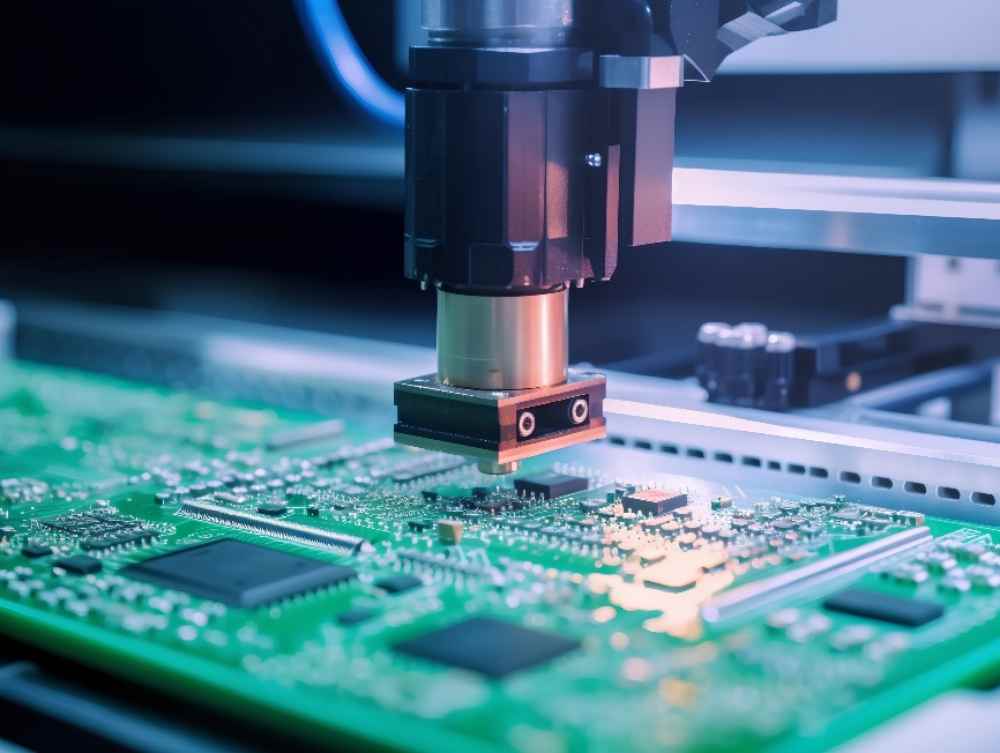
四、Pro Tips to Maximize Quick Turn Success (Prototype + Small-Batch)
To get the most out of your quick turn assembly service, follow these expert strategies:
4.1 DFM for Full-Cycle Efficiency
Designing with manufacturability in mind accelerates both prototype and small-batch assembly:
- Standardize Component Footprints: Use common footprints across designs to reduce setup time for revisions and small-batch runs. Avoid custom footprints unless absolutely necessary.
- Optimize Layout for Automated Placement: Even for 10-50 unit orders, a layout compatible with automated pick-and-place machines speeds up assembly and reduces human error.
- Design for Scalability: Avoid prototype-specific processes (e.g., hand-soldered custom components) that can’t be scaled to small-batches. Choose materials and processes that work for both stages.
4.2 Order Preparation to Cut Delays
Preparation is key to avoiding bottlenecks:
- Provide Complete, Error-Free BOMs: Include part numbers, quantities, alternate components, and tolerance requirements. Missing or incorrect information is the #1 cause of delays.
- Pre-Confirm Design Freezes: Finalize designs before submitting orders—last-minute revisions add time and cost. If revisions are needed, communicate them early to your provider.
- Prioritize Requirements: For prototypes, skip non-critical tests (e.g., long-term reliability testing) to speed up turnaround. For small-batches, invest in full quality checks to ensure market readiness.
4.3 Iterative Prototyping to Small-Batch Transition
Smoothly scaling from prototypes to small-batches requires planning:
- Use Prototype Feedback Wisely: Test prototypes rigorously and refine designs for manufacturability before small-batch production. Addressing issues early avoids reworks later.
- Partner for Consistency: Choose a provider that handles both prototypes and small-batches. Consistent processes, materials, and engineering teams eliminate compatibility issues and reduce learning curves.
- Plan Bridge Production: Test small-batch feasibility with a 20-50 unit bridge run. This validates production processes and ensures your design is ready for larger orders.
五、Myth Busting: Common Misconceptions About Full-Cycle Quick Turn Assembly
Quick turn assembly is often misunderstood—here are the facts behind four common myths:
5.1 Myth 1: Quick Turn = Poor Quality
Fact: Top quick turn providers maintain the same quality standards as traditional services. Prototypes need reliable data for valid testing, and small-batches need to meet market expectations—so quality is non-negotiable. Look for IPC-A-610 compliance, multi-stage inspections, and yield rate guarantees (e.g., 99.8%+) to ensure quality.
5.2 Myth 2: Small Batches Are Too Expensive for Quick Turn Service
Fact: Quick turn providers optimize processes for low-volume orders, eliminating MOQ penalties. Many offer transparent pricing with no hidden fees, making small-batches cost-effective. When you factor in reduced time-to-market and avoided reworks, quick turn assembly often saves money in the long run.
5.3 Myth 3: Prototype Complexity (e.g., BGA) Can’t Be Handled in Quick Turn
Fact: Advanced quick turn providers have the equipment and expertise to handle complex components like BGA, QFP, and fine-pitch devices. Automated pick-and-place machines, X-Ray inspection, and skilled technicians ensure precise assembly—even for complex prototypes.
5.4 Myth 4: Transitioning from Prototype to Small-Batch Requires a New Provider
Fact: The best quick turn providers support the full cycle, from prototypes to small-batches. They leverage data from prototype runs to streamline small-batch production, ensuring consistency and speed. Switching providers mid-cycle introduces delays and compatibility risks—choose a partner that grows with you.
六、FAQs About Full-Cycle Quick Turn PCB Assembly
6.1 What’s the Fastest Turnaround for a Prototype vs. Small-Batch Order?
For prototypes (1-20 units), top providers offer 24H express turnaround for simple designs (single-layer, standard components) and 48H for complex designs (multi-layer, BGA). For small-batches (21-500 units), turnaround ranges from 3-5 days, depending on complexity and testing requirements.
6.2 Can You Handle Design Revisions for Prototypes Mid-Production?
Most providers can accommodate design revisions if communicated early (before production starts or during the pre-production phase). Revisions mid-production may add 24-48 hours to turnaround, so it’s best to finalize designs before submitting orders. Look for providers with revision-friendly pricing to avoid excessive fees.
6.3 Do I Need to Source Components Myself for Small Batches?
No—reputable quick turn providers offer full component sourcing services, including low-volume procurement without MOQ restrictions. They have access to global supplier networks and in-stock inventory, saving you time and ensuring genuine components. You can also supply your own components if preferred.
6.4 How Do You Ensure Consistent Quality Between Prototypes & Small Batches?
Consistency is achieved through standardized processes, shared engineering data, and the same quality control systems for both stages. Top providers use the same materials, equipment, and inspection protocols for prototypes and small-batches, ensuring no surprises when scaling up.
6.5 What’s the Maximum Small-Batch Size for Quick Turn Service?
Most quick turn providers specialize in 1-500 unit small-batches. For orders larger than 500 units, traditional high-volume assembly may be more cost-effective, but many quick turn providers can handle up to 1,000 units for urgent needs.
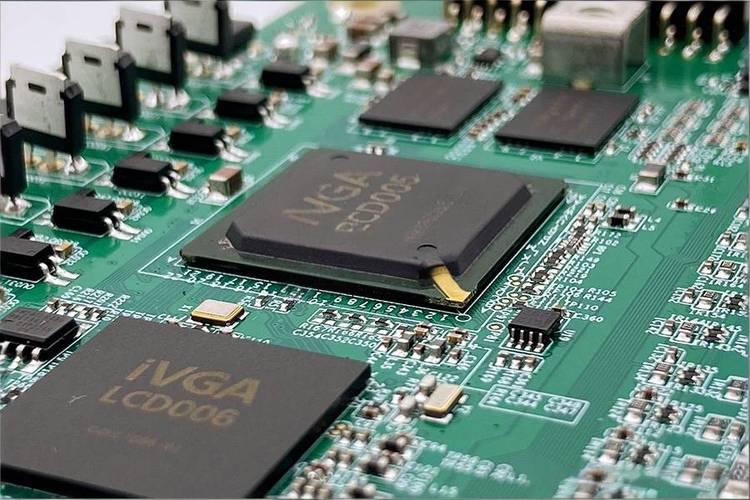
七、Choose ShwayPCB: Your Full-Cycle Quick Turn Assembly Partner
When it comes to bridging prototypes and small-batch production, ShwayPCB stands out as a trusted partner for startups, R&D teams, and electronics engineers worldwide. We’ve built our quick turn assembly service around the unique needs of full-cycle development—offering the speed, flexibility, and quality that modern projects demand.
About ShwayPCB
ShwayPCB is a leading provider of one-stop PCB manufacturing, assembly, and testing services, specializing in prototype and small-batch quick turn solutions. With years of experience in the electronics industry, we understand the challenges of rapid development and have optimized our processes to eliminate bottlenecks, reduce lead times, and maintain uncompromised quality across every stage. Our team of skilled engineers and state-of-the-art facilities enable us to handle complex designs, tight deadlines, and low-volume orders with ease—making us the ideal partner for projects from concept to commercial launch.
Our Full-Cycle Quick Turn Assembly Advantages
What sets us apart from other providers?
- Tailored Turnaround Tiers: 24H express assembly for prototypes (1-20 units) and 3-day turnaround for small-batches (21-500 units), with flexible options to meet your timeline.
- No MOQ & Revision-Friendly Pricing: Cost-effective solutions for low-volume orders, with transparent pricing and discounted rates for design revisions—perfect for iterative prototyping.
- Complex Design Expertise: We handle SMT/DIP assembly, BGA/QFP/fine-pitch components, and 2-98 layer PCBs, with advanced processes like impedance control and HDI support.
-
Exclusive Offer for Full-Cycle Projects
八、Accelerate Your Project with ShwayPCB

Copyright © 2005-2025 ShwayPCB : PCB Fabrication and Assembly Manufacturer. All Rights Reserved. POWERED BY UEESHOP


Copyright © 2005-2025 ShwayPCB : PCB Fabrication and Assembly Manufacturer. All Rights Reserved. POWERED BY UEESHOP