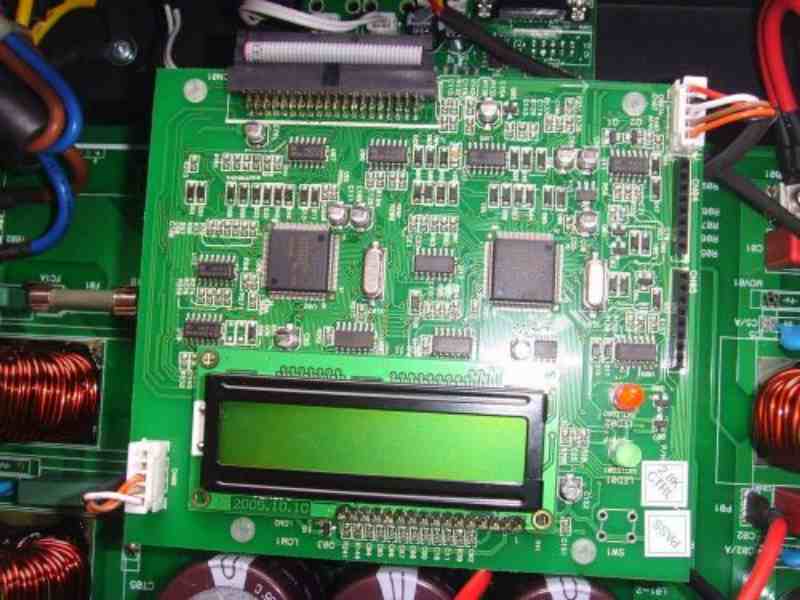
Overseas Procurement Must-Read: A Guide to China's Turnkey PCB
Overseas Procurement Must-Read: A Guide to China's Turnkey PCB
Abstract: This article provides overseas purchasers with a comprehensive guide to procuring Turnkey PCBs (Printed Circuit Boards) in China. Covering key aspects such as the concept of Turnkey PCBs, advantages of the Chinese market, supplier selection criteria, procurement processes, quality control, and after-sales service, it offers an in-depth analysis to assist overseas buyers in efficiently and effectively completing their PCB procurement tasks.
1. Introduction
With the rapid development of the global electronics industry, Printed Circuit Boards (PCBs), as the core components of electronic products, have witnessed a sustained increase in market demand. Turnkey PCB services, which provide a one-stop solution encompassing PCB design, manufacturing, component procurement, assembly, and testing, offer tremendous convenience to overseas purchasers. China, as the world's largest PCB producer, has become an ideal destination for overseas procurement of Turnkey PCBs due to its well-established industrial chain, mature technology, and competitive pricing. This article will delve into various aspects of overseas procurement of Turnkey PCBs in China, providing practical guidance for buyers.
2. Concept of Turnkey PCBs and Advantages of the Chinese Market
2.1 Concept of Turnkey PCBs
Turnkey PCB services represent a comprehensive solution where the supplier is responsible not only for PCB manufacturing but also for electronic component procurement, PCB assembly (SMT or DIP), and final testing. Purchasers merely need to provide product requirements and design files to obtain complete electronic products, eliminating the need to coordinate with multiple suppliers separately. This significantly streamlines the procurement process and shortens the product's time-to-market.
2.2 Advantages of the Chinese Market
2.2.1 Well-Established Industrial Chain
China boasts a complete industrial chain ranging from raw material supply, PCB manufacturing, and electronic component production to assembly and testing. This industrial agglomeration effect fosters close collaboration among various sectors, enabling rapid responses to market demands and efficient service delivery. For instance, the Pearl River Delta and Yangtze River Delta regions are home to a large number of PCB manufacturers, electronic component suppliers, and assembly enterprises, forming industrial clusters that provide a solid foundation for Turnkey PCB services.
2.2.2 Mature Technology
After years of development, China's PCB manufacturing technology has reached international advanced levels. Chinese enterprises possess extensive experience and technical prowess in manufacturing high-end products such as multi-layer boards, High-Density Interconnect (HDI) boards, and flexible boards. Moreover, with the rise of emerging technologies like 5G, artificial intelligence, and the Internet of Things, the Chinese PCB industry continues to innovate, meeting market demands for high-performance PCBs.
2.2.3 Competitive Pricing
China's relatively low labor costs, coupled with its well-established industrial chain and economies of scale, endow its Turnkey PCBs with a distinct price advantage. Compared to developed countries in Europe and America, Chinese suppliers can offer more cost-effective products and services, helping overseas purchasers reduce procurement costs and enhance product competitiveness.
3. Supplier Selection Criteria
3.1 Technical Capabilities
3.1.1 Design Capabilities
A reputable Turnkey PCB supplier should have a professional PCB design team capable of providing reasonable design solutions based on the purchaser's requirements and product characteristics. The design team should be proficient in various design software and industry standards, such as Eagle and Altium Designer, as well as IPC standards, to ensure that the designed PCBs meet electrical, mechanical, and reliability requirements.
3.1.2 Manufacturing Processes
Evaluate the supplier's manufacturing process capabilities, including multi-layer board manufacturing, HDI technology, and blind/buried via processes. Advanced manufacturing processes ensure high precision, quality, and reliability of PCBs. For example, the supplier should be capable of producing high-precision circuits (line width/spacing ≤ 3mil) and high-layer-count (over 20 layers) PCBs to meet the demands of high-end electronic products.
3.1.3 Assembly Technologies
Understand the supplier's SMT and DIP assembly technologies, including pick-and-place accuracy, soldering quality, and component compatibility. Advanced assembly equipment and technologies enhance assembly efficiency and product quality while reducing defect rates. For instance, the supplier should be equipped with high-precision pick-and-place machines capable of accurately placing micro-components like 0201.
3.2 Quality Control Systems
3.2.1 Quality Certifications
Select suppliers with relevant quality certifications, such as ISO 9001 Quality Management System Certification and IATF 16949 Automotive Industry Quality Management System Certification. These certifications indicate that the supplier has met international quality standards and can provide stable and reliable products and services.
3.2.2 Testing Equipment
Examine whether the supplier has complete and advanced testing equipment, such as AOI (Automated Optical Inspection), X-Ray inspection, and flying probe testing. Comprehensive testing equipment enables timely detection of defects during PCB and assembly processes, ensuring product quality compliance.
3.2.3 Quality Control Processes
Understand the supplier's quality control processes, including raw material inspection, in-process monitoring, and final product inspection. Stringent quality control processes guarantee product quality from the source and minimize quality issues.
3.3 Production Capacity and Lead Times
3.3.1 Production Scale
Assess whether the supplier's production scale can meet the purchaser's order requirements. Large-scale suppliers typically possess stronger production capabilities and resource allocation abilities, enabling them to better handle large and urgent orders.
3.3.2 Lead Time Guarantees
Understand the supplier's lead time commitments and actual delivery performance. Reliable suppliers should be able to deliver products on time as per the contract, avoiding delays that may impact the purchaser's production plans and product launch schedules.
3.4 Service Levels
3.4.1 Communication Skills
Effective communication is crucial for successful procurement. The supplier should have a professional sales and technical team capable of promptly and accurately responding to the purchaser's inquiries and providing effective solutions.
3.4.2 After-Sales Service
Examine the supplier's after-sales service policies, including product warranty periods, return and exchange procedures, and technical support. High-quality after-sales service provides assurance to purchasers and resolves issues encountered during product use.
4. Procurement Process
4.1 Requirement Communication
The purchaser initiates preliminary communication with the supplier to clarify product requirements, including PCB specifications, component lists, functional requirements, and lead times. Based on the purchaser's requirements, the supplier provides an initial quotation and solution.
4.2 Design Review
If the purchaser provides preliminary design files, the supplier's design team conducts a design review, offering optimization suggestions and improvement measures. Once both parties agree on the design solution, the formal design phase commences.
4.3 Prototype Production
The supplier produces prototypes based on the final design solution and conducts rigorous testing. The purchaser inspects and approves the prototypes, communicating any issues to the supplier for prompt rectification.
4.4 Mass Production
Upon successful prototype approval, the supplier initiates mass production. During the production process, the purchaser may arrange personnel to supervise manufacturing at the supplier's factory to ensure compliance with requirements.
4.5 Delivery and Inspection
The supplier delivers the products to the purchaser as per the contractually agreed lead time. The purchaser conducts a final inspection of the products, including quantity, quality, and packaging checks. Any issues identified should be promptly addressed through negotiation with the supplier.
5. Quality Control Points
5.1 Raw Material Inspection
The supplier should conduct strict inspections of purchased raw materials to ensure compliance with quality requirements. Inspection items include raw material specifications, models, performance indicators, and appearance. For critical raw materials, such as copper-clad laminates and electronic components, the supplier should provide quality inspection reports.
5.2 In-Process Monitoring
During the production process, the supplier should establish a comprehensive monitoring system to conduct real-time monitoring of key processes. For example, critical processes in PCB manufacturing, such as etching, plating, and lamination, as well as assembly processes like pick-and-place and soldering, should have quality control points for rigorous quality inspections.
5.3 Final Product Inspection
Final product inspection is a crucial step in ensuring product quality. The supplier should conduct comprehensive inspections of the finished products in accordance with relevant standards and inspection specifications, including electrical performance testing, mechanical performance testing, and appearance checks. Only products that pass the inspection can be delivered to the purchaser.
6. After-Sales Service Assurance
6.1 Product Warranty
The supplier should provide a warranty period for the products, offering free repairs or replacements for products with quality issues during the warranty period. The warranty duration should be reasonably determined based on factors such as product type and usage environment.
6.2 Technical Support
The supplier should provide timely and effective technical support to assist the purchaser in resolving technical issues encountered during product use. Technical support can be provided through various channels, such as phone, email, and remote assistance.
6.3 Customer Feedback Handling
The supplier should establish a customer feedback handling mechanism to promptly collect the purchaser's opinions and suggestions, continuously improving and optimizing products and services. For issues raised by the purchaser, the supplier should provide responses and solutions within a specified timeframe.
7. Conclusion
Overseas procurement of Turnkey PCBs in China offers numerous advantages; however, it requires purchasers to exercise caution in selecting suppliers and strictly control the procurement process and quality control points. By choosing suppliers with strong technical capabilities, comprehensive quality control systems, reliable production capacities, and high service levels, following a scientific procurement process, and emphasizing quality control and after-sales service assurance, overseas purchasers can efficiently and effectively complete their Turnkey PCB procurement tasks, providing robust support for the research and development and production of electronic products.
Contact Email: yuan@shwaypcb.com
Website: https://fr4pcb.tech/