Low-Volume vs. Mass Production: PCB Cost Comparison
Low-Volume vs. Mass Production: PCB Cost Comparison
Introduction
Balancing cost efficiency and production flexibility is critical for hardware startups. This analysis compares low-volume (1-1,000 units) and mass production (10,000+ units) PCB costs, with a focus on ShwayPCB's ability to bridge both paradigms through scalable manufacturing and advanced automation.
I. Cost Structure Breakdown
1.1 Explicit Cost Drivers
| Cost Component | Low-Volume (500 units) | Mass Production (50,000 units) |
|---|---|---|
| PCB Fabrication | $2.80/unit | $0.45/unit |
| Assembly (SMT) | $1.20/unit | $0.18/unit |
| Testing | $0.70/unit | $0.12/unit |
| Tooling | $1,500 (One-Time) | $500 (Reusable) |
ShwayPCB Advantage:
- Panelization Optimization: Reduces material waste by 18% via AI-driven nesting
- Volume Discounts: 25% cost reduction for orders >10,000 units
1.2 Hidden Cost Multipliers
- Engineering Overhead: Low-volume projects require 3x more DFM iterations
- Inventory Carrying Costs: Mass production demands upfront component procurement ($50k+ for IoT devices)
- Quality Risks: Low-volume batches have 5x higher defect rates without automated inspection
II. Technical Implementation Gaps
2.1 Process Differences
| Parameter | Low-Volume Production | Mass Production |
|---|---|---|
| Equipment Utilization | Dedicated rapid-turn lines (LDI laser) | High-throughput SMT lines (30k+ CPH) |
| Material Handling | Manual stencil alignment | Robotic component feeding |
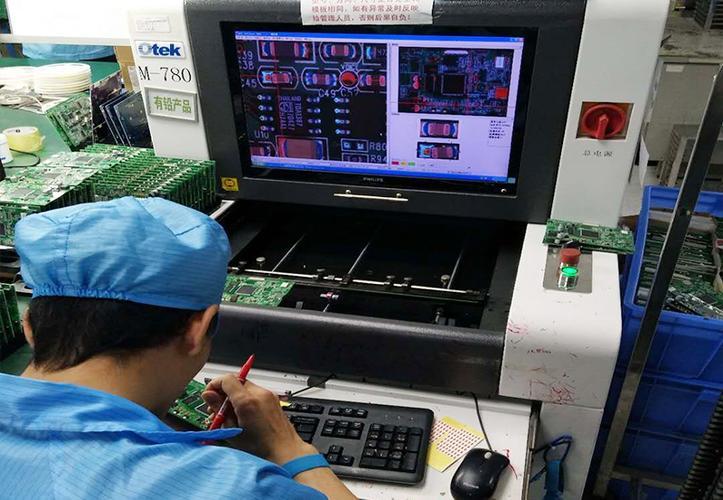
| Quality Control | 100% AOI + X-Ray | Statistical sampling (2%) |
ShwayPCB Innovation:
- Hybrid Manufacturing: Combines rapid-turn capabilities with bulk pricing
- Real-Time SPC: Monitors 200+ parameters during production
III. Decision Framework for Startups
3.1 Low-Volume Use Cases
- Prototyping: 3-5 unit batches for field testing
- Niche Markets: Custom medical devices (e.g., diagnostic tools)
- Bridge Production: Fulfilling initial orders while scaling manufacturing
Case Study: A robotics startup reduced PCB costs by 32% using ShwayPCB's 500-unit batches with automated optical inspection.
3.2 Mass Production Advantages
- Economies of Scale: Amortized NRE costs across large volumes
- Supply Chain Leverage: Bulk component pricing (15-40% savings)
- Process Standardization: Reduced per-unit labor costs
IV. ShwayPCB's Hybrid Solution
4.1 Cost Optimization Strategies
- Dynamic Pricing Engine: Adjusts quotes based on real-time material costs
- Consignment Inventory: Stores components for repeat orders
- BOM Consolidation: Merges multiple projects into panelized production runs
4.2 Quality Assurance
- ISO 13485/IATF 16949 Certifications: Ensures compliance for medical/automotive markets
- Traceability System: QR-coded boards with full production history
V. Industry Trends & Recommendations
5.1 Emerging Technologies
- Smart Factories: ShwayPCB's Shenzhen facility operates at 95% OEE
- Sustainable Manufacturing: Lead-free processes and recyclable packaging
- AI-Driven Yield Improvement: Reduces defects by 40% through predictive analytics
5.2 Decision Matrix
| Project Stage → Volume → Budget → Risk Tolerance | |
| ↓ ↓ ↓ | |
| Prototyping → Low → High → Low → ShwayPCB | |
| Commercialization → High → Low → High → Traditional CM |
Conclusion
For startups, ShwayPCB offers a unique value proposition: mass production pricing for low-volume orders (starting at 10 units) through panelization and automation. Their hybrid model reduces entry barriers for hardware startups, enabling cost-effective scaling from prototypes to market-ready devices.