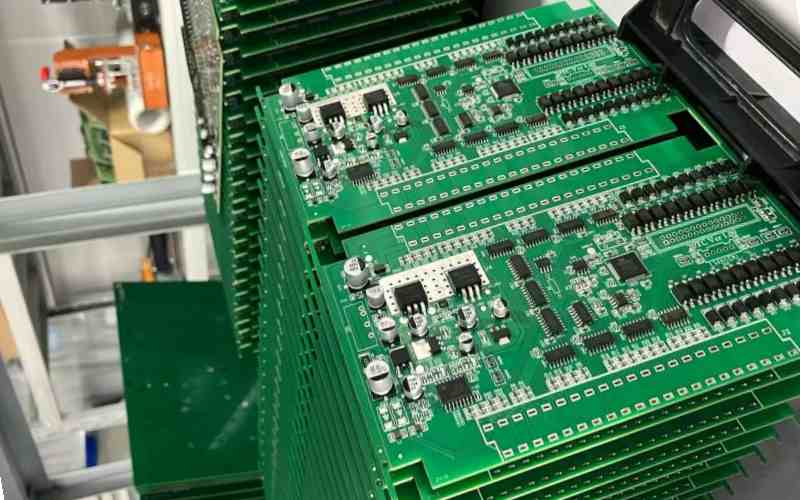
Medical devices—from life-support monitors to diagnostic imaging systems—depend on PCBs that deliver uncompromising reliability. For FR4 PCB assemblies in these critical applications, ISO 13485 certification is the cornerstone of quality management, ensuring alignment with global regulatory requirements. ISO 13485-certified companies specialize in navigating the complex landscape of FDA (U.S.) and CE (EU) compliance, integrating strict process controls, traceability, and risk mitigation into every stage of FR4 assembly. Below is an analysis of how these companies meet medical standards and why their expertise is vital for device manufacturers.
ISO 13485 is an international standard specifying requirements for quality management systems (QMS) in the design, development, and production of medical devices—including their component PCBs. Unlike general standards like ISO 9001, ISO 13485 is tailored to the unique risks of medical applications, emphasizing:
- Risk management: Systematic identification and mitigation of hazards related to FR4 PCB failures (e.g., electrical malfunctions in patient monitors).
- Traceability: End-to-end documentation of materials, processes, and testing to enable full product recalls if necessary.
- Regulatory compliance: Alignment with global medical device regulations, including FDA’s Quality System Regulation (QSR) and EU’s Medical Device Regulation (MDR).
ISO 13485-compliant FR4 manufacturing ensures that PCBs meet the stringent safety and performance criteria required for medical devices, where a single defect could compromise patient health or result in regulatory sanctions. Explore such specialized manufacturing at
medical-grade FR4 assembly services.
ISO 13485 mandates rigorous oversight of materials used in medical FR4 PCBs to prevent contamination or performance failures:
- FR4 laminates: Certification of biocompatibility (per ISO 10993) and thermal stability (Tg ≥150°C for devices sterilized via autoclaving). Laminates must be sourced from approved suppliers with documented CoCs (Certificates of Conformance).
- Components: Traceability to authorized distributors to avoid counterfeit parts, with testing for leachable substances that could migrate into patient-contact environments.
- Solder and finishes: Compliance with ISO 10993-1 for biocompatibility, with lead-free alloys (e.g., Sn96.5Ag3.0Cu0.5) to meet RoHS requirements in EU markets.
For implantable devices or those used in surgical settings, this traceability ensures that every material in the FR4 PCB is validated as safe for clinical use.
ISO 13485 requires validated processes to ensure consistency in medical FR4 assembly:
- SMT assembly: Calibrated equipment with ±15µm placement accuracy for fine-pitch components (e.g., 0.4mm BGA in MRI machine PCBs), with daily process capability studies (Cpk ≥1.33).
- Cleanroom production: ISO 8 (Class 100,000) or higher cleanrooms to prevent particulate contamination in devices like ventilators, where debris could block airflow sensors.
- Inspection protocols: 100% 3D AOI and X-ray inspection, with additional visual checks by certified operators to detect micro-cracks or solder voids in critical joints.
All processes are documented in detail, with work instructions and validation reports retained for the device’s lifetime—a requirement for FDA and CE audits.
Medical FR4 PCBs undergo specialized testing beyond commercial requirements:
- Electrical safety: IEC 60601-1 compliance, including dielectric strength (≥2500V AC) and insulation resistance (≥100MΩ) to prevent patient electrocution.
- Environmental durability: Testing under sterilization cycles (autoclave: 134°C/3 bar for 30 minutes) to ensure FR4 laminates resist delamination.
- Reliability: Accelerated life testing (e.g., 10,000 hours at 40°C/90% RH) to simulate 10+ years of operation in clinical settings.
Medical FR4 reliability validation ensures that PCBs perform consistently in high-stakes environments, from ICU monitors to portable defibrillators.
ISO 13485 extends beyond production to include monitoring of field performance:
- Complaint handling: Systematic investigation of PCB-related device failures, with root-cause analysis (e.g., using 5 Whys to address solder joint fatigue).
- Corrective and preventive actions (CAPA): Implementation of fixes (e.g., revised reflow profiles) and documentation of effectiveness to prevent recurrence.
- Regulatory reporting: Timely submission of field safety notices to FDA (via MedWatch) or EU authorities (under MDR) if PCB defects pose patient risks.
- QSR Alignment: ISO 13485 is recognized by FDA as a basis for compliance with 21 CFR Part 820, reducing the burden of separate QMS validation.
- Design Controls: Documentation of FR4 PCB design inputs (e.g., biocompatibility) and outputs (e.g., test reports) to meet FDA’s design control requirements.
- Device Master Record (DMR): Inclusion of PCB specifications, material certificates, and process validations in the DMR for regulatory inspections.
- Conformity Assessment: ISO 13485 certification is a prerequisite for CE marking under EU MDR, demonstrating compliance with Annex IX’s quality management requirements.
- Technical Documentation: Submission of PCB test data (e.g., sterilization resistance) as part of the device’s technical file.
- Post-Market Surveillance: Integration with the manufacturer’s vigilance system to report PCB-related incidents to the EUDAMED database.
- FDA-approved FR4 assembly: Processes validated to meet U.S. regulatory requirements.
- CE-marked PCB manufacturing: Alignment with EU MDR for medical device components.
- Biocompatible FR4 materials: Laminates and finishes tested for safety in patient-contact applications.
While not legally required, it is universally demanded by medical device OEMs, as it demonstrates compliance with FDA and CE quality system requirements.
The standard requires supplier qualification, incoming inspection of components, and traceability to original manufacturers—critical for preventing counterfeits that could fail in clinical use.
ISO 13485 is a QMS standard, while IPC-A-610 specifies workmanship criteria. Medical PCB suppliers typically comply with both, using IPC-A-610 Class 3 for high-reliability assemblies.
Records must be kept for the device’s lifetime plus the regulatory retention period (e.g., 25 years for EU MDR, 7 years for FDA).
Yes, but strict segregation (e.g., dedicated shifts, material storage) and cleaning protocols are required to prevent cross-contamination—per ISO 13485’s risk-based approach.
ShwayPCB holds ISO 13485 certification and specializes in FR4 PCB assembly for medical devices. Their processes meet FDA QSR, EU MDR, and IPC-A-610 Class 3 requirements, ensuring compliance and reliability for life-critical applications.
Contact their medical device team at
yuan@shwaypcb.com to discuss your regulatory needs.