We use cookles to Improve your online experience. By continuing browsing this website, we assume you agree our use of cookies.

Home > Blog > PCB Industry News > Full Turnkey PCB Assembly: The Ultimate Guide to End-to-End Electronics Production-ShwayPCB
Full Turnkey PCB Assembly: The Ultimate Guide to End-to-End Electronics Production-ShwayPCB
December 20th, 2025
213 views
Full Turnkey PCB Assembly: The Ultimate Guide to End-to-End Electronics Production
In the competitive landscape of global electronics manufacturing, businesses are constantly seeking ways to streamline processes, cut costs, and accelerate product launches—all while maintaining uncompromising quality. For startups, SMEs, and even established brands, the solution often lies in full turnkey PCB assembly. Unlike traditional fragmented sourcing or partial turnkey services that leave you juggling multiple vendors, full turnkey PCB assembly offers a seamless, all-in-one approach that covers every stage of production from design optimization to final delivery. This guide will unpack everything you need to know about full turnkey PCB assembly, from its core advantages and workflow to how to choose the right provider and avoid common pitfalls.
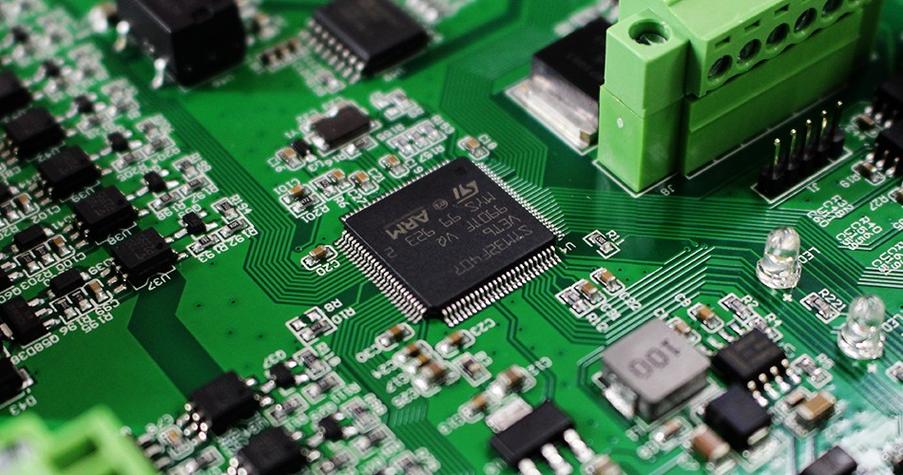
Why Full Turnkey PCB Assembly Is a Game-Changer for Global Electronics Businesses
1.1 What Is Full Turnkey PCB Assembly?
Full turnkey PCB assembly is an end-to-end, one-stop service that takes your electronic project from concept to finished, functional PCBs—no additional vendors required. At its core, it encompasses every critical stage of production: design optimization (including DFM analysis), custom PCB fabrication, comprehensive component sourcing, precision SMT/DIP assembly, rigorous testing and quality control, professional packaging, and global door-to-door shipping. Think of it as handing over your design files and requirements to a single partner, then receiving fully tested, ready-to-use PCBs directly at your doorstep. This all-inclusive model eliminates the need for you to manage PCB fabricators, component suppliers, assemblers, and logistics providers separately.
1.2 The Core Difference Between Full Turnkey vs. Partial Turnkey/Traditional Sourcing
To understand the value of full turnkey, it’s crucial to distinguish it from other sourcing models:
-
Traditional fragmented sourcing: Requires you to coordinate 3-5+ vendors (PCB manufacturer, component distributor, assembler, tester, shipper). This model is labor-intensive, prone to communication gaps, and often leads to delays when one vendor falls behind.
-
Partial turnkey: Covers some stages (e.g., assembly and testing) but requires you to provide PCBs or components. This still leaves you responsible for critical upstream/downstream tasks, including component sourcing—a major pain point given global supply chain volatility.
-
Full turnkey: Takes ownership of every stage, from design review to delivery. A single provider manages all risks, coordinates all workflows, and serves as your sole point of contact. This is the only model that truly removes supply chain management from your to-do list.
1.3 Key Pain Points Solved by Full Turnkey Services
Global electronics businesses face a litany of supply chain challenges—challenges that full turnkey PCB assembly directly addresses:
-
Multi-vendor coordination chaos: Coordinating multiple vendors means endless emails, calls, and follow-ups. Full turnkey reduces this to a single point of contact, saving you hours of administrative work.
-
Component shortages & counterfeiting: Sourcing hard-to-find components or verifying authenticity is time-consuming and risky. Full turnkey providers have global supplier networks and strict anti-counterfeit protocols to ensure reliable component procurement.
-
Quality inconsistencies: When different vendors handle different stages, quality standards can vary. Full turnkey providers implement integrated quality control across all processes, ensuring consistent results.
-
Delayed time-to-market: Vendor handoffs are a top cause of production delays. Full turnkey streamlines workflows, eliminating gaps between design, fabrication, assembly, and shipping to get your product to market faster.
1.4 Target Audiences
Full turnkey PCB assembly is particularly valuable for:
-
Startups: With limited resources to manage complex supply chains, startups benefit from the convenience and cost savings of a single partner, allowing them to focus on product development and market validation.
-
SMEs: SMEs looking to scale production without expanding their procurement or operations teams rely on full turnkey to handle production complexities.
-
Electronics Brands: Established brands use full turnkey to maintain quality consistency across global product lines and free up internal teams for innovation.
-
R&D Teams: Teams iterating on prototypes need fast, flexible production support—full turnkey delivers quick turnaround for low-volume runs with no MOQ penalties.
-
Procurement Managers: Managers tasked with balancing cost, quality, and speed use full turnkey to reduce supply chain risk and simplify vendor management.
1.5 Guide Overview: What You’ll Learn About Leveraging Full Turnkey for Success
In the sections ahead, we’ll dive deep into the core advantages of full turnkey PCB assembly, break down the end-to-end workflow step by step, share critical criteria for choosing the right provider, highlight best practices to maximize project success, debunk common myths, and introduce you to ShwayPCB—your trusted partner for full turnkey services. By the end, you’ll have the knowledge and confidence to leverage full turnkey PCB assembly to streamline your production, cut costs, and accelerate your product launch.
II. Core Advantages of Full Turnkey PCB Assembly
The value of full turnkey PCB assembly lies in its ability to solve supply chain pain points while delivering tangible business benefits. Below are its most impactful advantages:
2.1 Unmatched Convenience: One-Stop, End-to-End Service
The biggest draw of full turnkey is its convenience. Instead of managing a roster of vendors, you work with a single partner that handles every detail of your PCB production. This means:
-
Single Point of Contact for All Production Stages: You’ll have a dedicated account manager who oversees design review, component sourcing, fabrication, assembly, testing, and shipping. Any questions, updates, or concerns go through one person—no more chasing multiple vendors for status reports.
-
Elimination of Multi-Vendor Coordination Overhead: Coordinating vendor schedules, resolving communication gaps, and troubleshooting issues between vendors takes time and energy. Full turnkey removes this burden, allowing you to focus on your core business (e.g., product design, marketing, sales) instead of supply chain management.
2.2 Cost Efficiency: Integrated Savings Across the Supply Chain
Many businesses assume full turnkey is more expensive than fragmented sourcing, but the opposite is often true. Full turnkey delivers integrated savings that add up:
-
Bulk Component Sourcing Discounts & No MOQ Penalties: Full turnkey providers leverage their global supplier networks and high purchasing volume to secure bulk discounts on components—savings they pass on to you. They also eliminate MOQ (Minimum Order Quantity) penalties, making low-volume prototype runs or small-batch production cost-effective.
-
Reduced Logistics & Administrative Costs: Coordinating shipping between multiple vendors (e.g., PCB fabricator to assembler, assembler to tester) adds logistics costs and administrative work. Full turnkey consolidates shipping into a single, door-to-door delivery, cutting logistics expenses and reducing paperwork.
-
Minimized Rework Costs via Proactive Quality Control: Full turnkey providers implement proactive quality control (e.g., DFM analysis upfront, in-line inspections) that catches design flaws or production issues early. This minimizes costly reworks that are common in fragmented sourcing, where quality gaps between vendors go unnoticed until late in the process.
2.3 Accelerated Time-to-Market: Streamlined Workflows
In electronics, speed to market is a competitive advantage—and full turnkey is designed to get your product to market faster:
-
No Delays from Vendor Handoffs: In fragmented sourcing, delays often occur when one vendor finishes their work and hands off to the next (e.g., PCB fabrication takes longer than expected, pushing back assembly). Full turnkey providers streamline these handoffs, with each stage衔接 seamlessly to avoid bottlenecks.
-
Fast Turnaround Tiers (Prototype to Medium-Volume Production): Full turnkey providers optimize their processes for speed, offering tiered turnaround times to match your needs. Prototypes and small-batch orders (1-500 units) can be completed in 3-7 days, while medium-volume production (500-10,000 units) typically takes 5-10 days—far faster than the 2-4 weeks common with fragmented sourcing.
2.4 Enhanced Quality & Compliance Assurance
Quality and compliance are non-negotiable in electronics manufacturing, and full turnkey providers excel in both areas:
-
Integrated DFM Analysis & Multi-Stage Testing (AOI/X-Ray/ICT/FCT): Full turnkey starts with free DFM (Design for Manufacturability) analysis, where engineers review your design to identify potential issues (e.g., component spacing, pad size errors) that could affect quality or yield. Throughout production, they use advanced testing methods—including Automated Optical Inspection (AOI) for surface defects, X-Ray inspection for hidden joints (e.g., BGA), In-Circuit Testing (ICT) for electrical connectivity, and Functional Testing (FCT) to ensure the PCB works as intended.
-
Adherence to Global Standards (ISO9001, IPC-A-610, RoHS/REACH): Reputable full turnkey providers are certified to global quality and environmental standards, including ISO9001 (quality management), IPC-A-610 (assembly standards), and RoHS/REACH (environmental compliance). This ensures your PCBs meet the requirements of global markets, avoiding costly rework or market entry barriers.
-
Anti-Counterfeit Component Sourcing with Traceability: Counterfeit components are a major risk in electronics, leading to product failures and safety issues. Full turnkey providers use trusted suppliers (e.g., Digikey, Mouser) and implement strict anti-counterfeit checks (visual inspection, X-Ray verification, lot tracking) to ensure component authenticity. They also provide traceability documentation, so you can track the origin of every component.
2.5 Global Accessibility: Cross-Border Service Excellence
For businesses operating globally, full turnkey providers offer cross-border support that simplifies international production:
-
Multilingual Support & Transparent Communication: Top full turnkey providers offer 24/7 multilingual support (English, Mandarin, etc.), eliminating language barriers. They use transparent communication channels (WeChat, Zoom, email) to keep you updated on project progress.
-
Global Shipping & Customs Documentation Assistance: Full turnkey providers partner with trusted global carriers (DHL, FedEx, sea freight) to offer door-to-door shipping to 150+ countries. They also handle all customs documentation (commercial invoices, packing lists, compliance certificates) to ensure smooth clearance, avoiding costly delays at the border.
-
Real-Time Order Tracking & Project Visibility: Most full turnkey providers offer a user-friendly online portal where you can track your order in real time—from design review to shipping. This gives you full visibility into the production process, so you always know when to expect your PCBs.
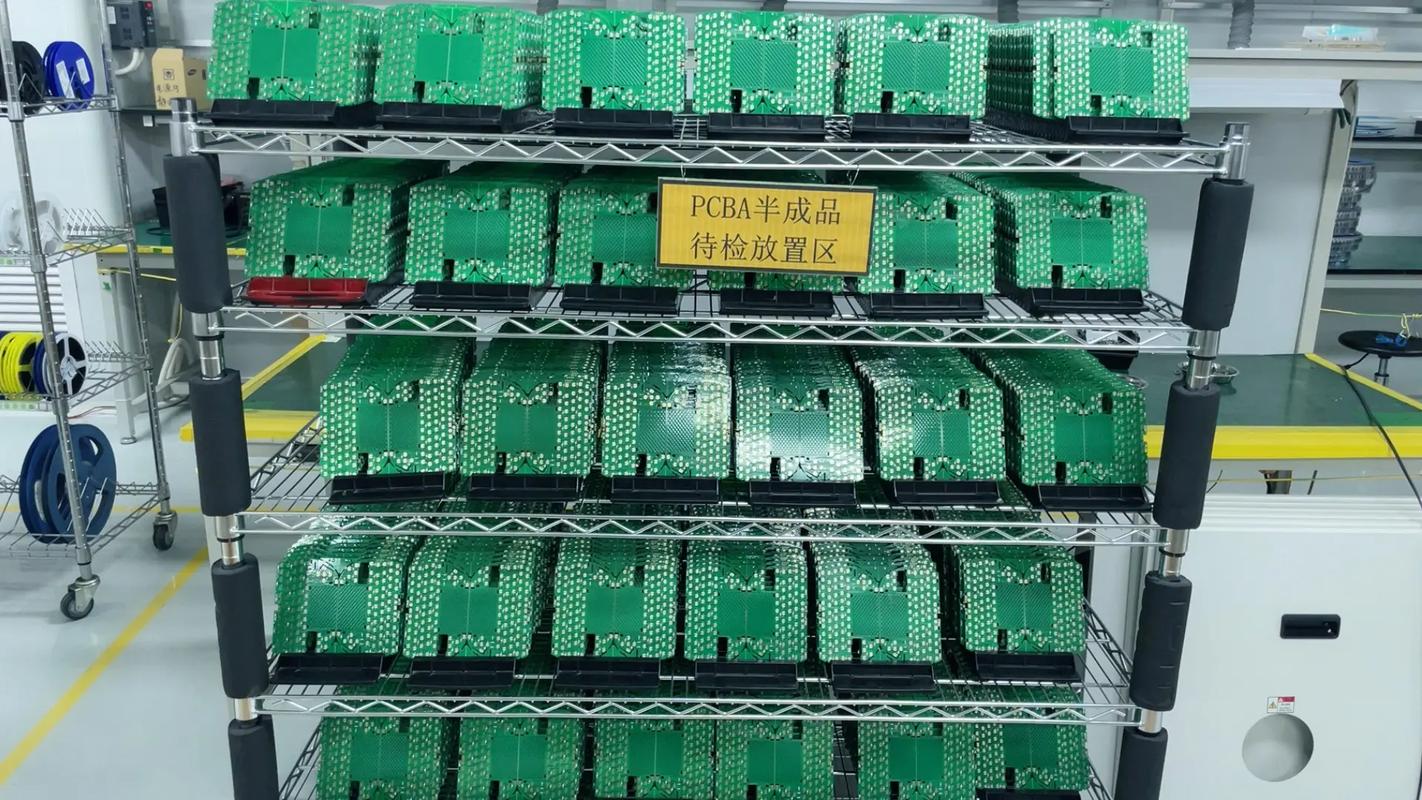
III. What’s Included in Full Turnkey PCB Assembly? A Step-by-Step Breakdown
Full turnkey PCB assembly is a structured, end-to-end process designed to deliver consistent, high-quality results. Below is a detailed breakdown of each stage:
3.1 Pre-Production: Planning & Design Optimization
The pre-production stage sets the foundation for a successful project, focusing on design optimization and planning to avoid issues later. Key steps include:
-
Free DFM (Design for Manufacturability) Analysis: After you submit your design files (Gerber, BOM, assembly drawings), the provider’s engineering team reviews the design to identify manufacturability issues. For example, they might adjust component spacing to improve solderability, or recommend changes to pad sizes to reduce the risk of defects. This analysis is free and proactive, ensuring your design is optimized for production before fabrication begins.
-
Component Sourcing, Validation & Alternate Part Recommendations: The provider’s sourcing team verifies the availability of all components on your BOM (Bill of Materials). They check for shortages, lead times, and pricing, and recommend high-quality alternatives if a component is out of stock or too expensive. They also perform anti-counterfeit checks to ensure all components are genuine.
-
Detailed Quoting & Project Timeline Finalization: You receive a transparent, itemized quote that includes all costs—fabrication, component sourcing, assembly, testing, packaging, and shipping. There are no hidden fees. The provider also shares a detailed project timeline with key milestones (e.g., design review complete, production start, testing finish, shipping date) for your approval.
3.2 Production: Fabrication & Precision Assembly
Once you approve the quote and timeline, production begins. This stage focuses on manufacturing high-quality PCBs and assembling components with precision:
-
Custom PCB Fabrication (Layers, Materials, Surface Finishes): The provider fabricates custom PCBs to your exact specifications, including layer count (1-40 layers), materials (FR4, high Tg, Rogers, halogen-free), surface finishes (ENIG, HASL, OSP), and impedance control. In-house fabrication ensures quality control and faster lead times.
-
SMT/DIP Assembly & Complex Component Handling (BGA/Fine-Pitch): The assembly process combines automated and manual techniques for precision. Automated SMT (Surface Mount Technology) pick-and-place machines handle high-speed, accurate component placement for most parts. Skilled technicians manually assemble complex components (e.g., BGA, fine-pitch devices with 0.3mm pitch) and perform rework if needed. Wave soldering or reflow soldering ensures reliable connections between components and the PCB.
3.3 Post-Production: Rigorous Testing & Quality Control
Testing is a critical stage of full turnkey PCB assembly, ensuring your PCBs meet performance and quality standards. Key steps include:
-
In-Line Inspections (AOI/X-Ray): During assembly, AOI systems check for surface defects (e.g., missing components, solder bridges, cold joints). X-Ray inspection is used to verify hidden joints, such as BGA solder connections, which are invisible to the naked eye. Any defects are flagged and resolved immediately.
-
Functional Testing (ICT/FCT/Burn-In Testing): After assembly, the PCBs undergo functional testing. ICT (In-Circuit Testing) validates electrical connectivity, ensuring all components are properly soldered. FCT (Functional Testing) tests the PCB in a real-world operating environment to ensure it performs as intended. For high-reliability applications (e.g., automotive, medical), burn-in testing is used to identify potential long-term issues by subjecting the PCBs to extreme conditions (heat, voltage) for an extended period.
-
Defect Resolution & Rework: Any defective PCBs are reworked by skilled technicians to fix issues. If a PCB cannot be reworked, it is replaced. The provider shares detailed test reports with you, so you have full visibility into the quality of your order.
3.4 Final Delivery: Packaging & Global Shipping
The final stage ensures your PCBs arrive safely and on time, ready for use:
-
Anti-Static/Protective Packaging: PCBs are sensitive to static electricity and physical damage, so they are packaged in anti-static bags and placed in sturdy boxes with cushioning material (e.g., bubble wrap, foam). Custom packaging (e.g., branded boxes, bulk packaging) is available for market-ready orders.
-
Door-to-Door Global Shipping (DHL/FedEx/Sea Freight): The provider ships your PCBs via your preferred carrier—DHL or FedEx for fast express delivery (3-5 days) or sea freight for cost-effective medium-volume orders (2-4 weeks). They provide tracking information so you can monitor the shipment’s progress.
-
Customs Clearance Support: The provider handles all customs documentation, including commercial invoices, packing lists, and compliance certificates (RoHS/REACH). This ensures smooth clearance at the destination country, avoiding delays or additional fees.
IV. How to Choose the Right Full Turnkey PCB Assembly Provider
Not all full turnkey PCB assembly providers are created equal. To ensure you partner with a reliable, high-quality provider, use the following criteria to evaluate your options:
4.1 Critical Evaluation Criteria
-
End-to-End Capability (In-House vs. Outsourced Stages): Ask which stages the provider handles in-house. The best providers have in-house PCB fabrication, assembly, and testing capabilities—this ensures better quality control and faster lead times. Avoid providers that outsource core stages (e.g., component sourcing, assembly) without transparency, as this can lead to quality gaps and delays.
-
Component Sourcing Reliability & Anti-Counterfeit Measures: Inquire about the provider’s supplier network and anti-counterfeit protocols. Do they work with trusted global suppliers? Do they perform visual inspections, X-Ray verification, or lot tracking for components? A reliable provider will have strict anti-counterfeit measures and be able to provide traceability documentation.
-
Quality Control Systems & Certifications: Check for global certifications, including ISO9001, IPC-A-610 Class 2/3, and RoHS/REACH. Ask about their quality control process—do they offer DFM analysis upfront? What testing methods do they use? A reputable provider will have a robust quality control system and be willing to share test reports from previous projects.
-
Technical Expertise in Complex Projects: Review the provider’s portfolio to see if they have experience with complex designs (e.g., multi-layer PCBs, BGA assembly, HDI boards, high-reliability applications). Ask for case studies or client references—this will give you confidence that they can handle your project’s unique requirements.
-
Cross-Border Service Track Record: If you need global shipping, ask about the provider’s experience with cross-border orders. Do they offer multilingual support? Can they handle customs documentation? What is their on-time delivery rate for international orders? A good provider will have a proven track record of supporting global clients.
4.2 Red Flags to Avoid
When evaluating providers, watch for these red flags that indicate a risky partnership:
-
Hidden Fees & Vague Pricing: If a provider’s quote is vague or they refuse to itemize costs, this is a warning sign. Look for transparent pricing that includes all stages of production—no surprise fees for testing, shipping, or rework.
-
Lack of Transparency in Production/Sourcing: Providers that won’t share details about their production process or supplier network are likely hiding something. Avoid providers that are vague about where they source components or how they ensure quality.
-
Poor Communication & Unclear Timelines: A provider that takes days to respond to your inquiries or can’t commit to a clear timeline will cause headaches. Look for providers that offer 24/7 support and provide detailed, realistic timelines.
-
No Post-Delivery Support: If a provider refuses to assist with defects or rework after delivery, you’re on your own if issues arise. Choose a provider that offers post-delivery support, including rework services and technical assistance.
V. Best Practices for Maximizing Full Turnkey PCB Assembly Success
To get the most out of your full turnkey PCB assembly project, follow these best practices:
5.1 Pre-Project Preparation
-
Provide Clear Design Files (Gerber, BOM, Assembly Drawings): Submit complete, error-free design files to avoid delays. Use standard formats (Gerber RS-274X for PCBs, Excel for BOMs) and include detailed assembly drawings that specify component placement, polarity, and any special requirements. If you’re unsure about your files, ask the provider for file validation.
-
Define Quality Standards & Testing Requirements Upfront: Clearly communicate your quality standards (e.g., IPC-A-610 Class 2 vs. 3) and testing requirements (e.g., FCT, burn-in testing) before the project starts. This ensures the provider aligns with your expectations and avoids misunderstandings later.
5.2 Collaboration & Communication Tips
-
Establish Direct Communication Channels: Set up direct communication channels (e.g., WeChat, Zoom) with your account manager. This allows for fast, real-time communication for urgent updates or questions.
-
Request Regular Project Updates: Ask the provider to share regular progress updates (e.g., weekly reports, milestone notifications). This keeps you informed and allows you to address any issues early.
5.3 Risk Mitigation Strategies
-
Order a Pilot Run for Critical Projects: For high-stakes projects (e.g., new product launches), order a small pilot batch (10-20 units) first. This allows you to validate the quality, functionality, and fit of the PCBs before scaling to larger volumes.
-
Sign NDA for Intellectual Property Protection: To safeguard your design files and proprietary information, sign a Non-Disclosure Agreement (NDA) with the provider. A reputable provider will be happy to sign an NDA to protect your IP.
VI. Common Myths About Full Turnkey PCB Assembly Debunked
There are several common myths about full turnkey PCB assembly that prevent businesses from leveraging its benefits. Let’s debunk them:
6.1 Myth 1: Full Turnkey Is More Expensive Than Fragmented Sourcing
Fact: Full turnkey is often cheaper in the long run. While the upfront quote may seem higher than individual vendor costs, the integrated savings (bulk component discounts, reduced logistics costs, minimized rework) add up to 20-30% total savings compared to fragmented sourcing. Additionally, the time saved on vendor management translates to indirect cost savings.
6.2 Myth 2: Full Turnkey Lacks Flexibility for Custom Projects
Fact: Full turnkey providers specialize in customization. They support custom PCB materials, surface finishes, component types (e.g., BGA, fine-pitch), testing requirements, and packaging. Unlike standardized services, full turnkey is tailored to your project’s unique needs—whether you’re building a prototype, a small batch of industrial PCBs, or a medium-volume consumer electronics product.
6.3 Myth 3: Providers Compromise on Component Quality
Fact: Reputable full turnkey providers prioritize component quality. They use trusted global suppliers, perform strict anti-counterfeit checks, and provide traceability documentation. In fact, full turnkey providers often have better component quality control than businesses that source components on their own, as they have dedicated teams and processes for verifying component authenticity.
6.4 Myth 4: Full Turnkey Is Only for High-Volume Production
Fact: Full turnkey is ideal for all volumes, from prototypes (1 unit) to medium-volume production (10,000 units). Providers offer flexible production lines that minimize setup time for low-volume runs, with no MOQ penalties. This makes full turnkey perfect for startups validating prototypes and SMEs scaling production gradually.
VII. ShwayPCB: Your Trusted Full Turnkey PCB Assembly Partner
When it comes to full turnkey PCB assembly, ShwayPCB stands out as the trusted partner for global electronics businesses. We combine in-house expertise, global supply chain strength, and customer-centric service to deliver a seamless, end-to-end experience that saves you time, cuts costs, and ensures quality.
7.1 Our Full Turnkey Capabilities & Expertise
At ShwayPCB, we handle every stage of full turnkey PCB assembly in-house—no hidden outsourcing, no quality gaps. Our capabilities include:
-
Custom PCB fabrication (2-98 layers, HDI, impedance control, specialty materials like high Tg FR4, Rogers, and halogen-free options).
-
Comprehensive component sourcing with a global network of trusted suppliers, anti-counterfeit checks, and alternate part recommendations.
-
Precision SMT/DIP assembly, including complex components (BGA, fine-pitch devices down to 0.3mm pitch) and conformal coating.
-
Flexible volume support: prototypes (1 unit), small batches (10-500 units), and medium-volume production (500-10,000 units) with no MOQ penalties.
7.2 Quality, Compliance & Sourcing Guarantees
We are committed to quality and compliance:
-
Certified to ISO9001, IPC-A-610 Class 2/3, and RoHS/REACH standards.
-
Free DFM analysis upfront, multi-stage testing (AOI/X-Ray/ICT/FCT), and a 99.8% defect-free yield rate guarantee.
-
Strict anti-counterfeit component sourcing with full traceability documentation provided for every order.
7.3 Global Service Advantages for Cross-Border Clients
We make global full turnkey PCB assembly easy:
-
24/7 English-speaking support via email, WeChat, and Zoom—response time within 2 hours.
-
User-friendly online portal for file submission, quote requests, and real-time order tracking.
-
Global door-to-door shipping via DHL/FedEx/sea freight, with full customs documentation assistance and on-time delivery guarantee.
VIII. FAQs About Full Turnkey PCB Assembly
8.1 Can I Provide My Own Components for Full Turnkey Service?
Yes! We offer “consigned full turnkey” services, where you supply your own components, and we handle fabrication, assembly, testing, packaging, and shipping. This is ideal if you have existing inventory or prefer specific component brands.
8.2 How Long Does Full Turnkey PCB Assembly Take?
Turnaround times vary by volume and complexity: 3-7 days for prototypes/small batches (1-500 units), 5-10 days for medium-volume production (500-10,000 units). Component sourcing adds 1-3 days for standard parts or 3-5 days for hard-to-find components. Global shipping takes 3-5 days (express) or 2-4 weeks (sea freight).
8.3 What Design Files Do I Need to Submit?
You’ll need to submit Gerber files (RS-274X), a detailed BOM (with part numbers, quantities, and component values), and assembly drawings (with component placement, polarity, and special instructions). We accept all standard formats and provide free file validation to catch errors upfront.
8.4 How Do You Ensure Component Authenticity?
We source components from trusted global suppliers (Digikey, Mouser, TE Connectivity) and perform multiple anti-counterfeit checks: visual inspection of packaging and part markings, X-Ray verification for high-risk components, and lot tracking. We also provide traceability documentation for every component.
IX. Streamline Your Production with Full Turnkey Services
Ready to eliminate multi-vendor headaches, cut costs, and accelerate your product launch? Getting started with ShwayPCB’s full turnkey PCB assembly is simple:
-
Upload Your Design Files: Visit ShwayPCB and navigate to the “Full Turnkey PCB Assembly” section. Upload your Gerber files, BOM, and assembly drawings via our secure online portal. We’ll validate your files instantly.
-
Receive a Transparent Quote: Our team will send you a detailed, itemized quote within 2 hours—including all costs for fabrication, sourcing, assembly, testing, and shipping. We’ll also include a free DFM analysis to optimize your design.
-
Approve & Launch Production: Approve the quote, and we’ll kick off production immediately. You’ll receive real-time updates on your project’s progress, and your finished PCBs will be shipped directly to your door—on time and ready for use.
As a new client, you’ll get 15% off your first full turnkey PCB assembly order + free FCT testing—our way of helping you experience the ShwayPCB difference risk-free.
Don’t let supply chain complexity hold you back. Visit ShwayPCB today to upload your files and get started, or contact our international team at yuan@shwaypcb.com / +8618476481213 for personalized assistance. We’re proud to be the trusted full turnkey partner for global electronics innovators—and we can’t wait to help you succeed.
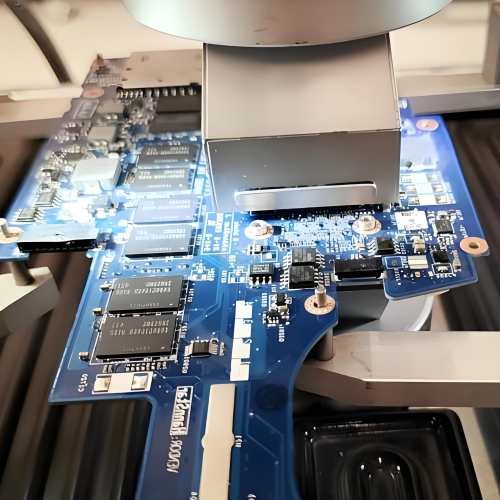

Copyright © 2005-2025 ShwayPCB : PCB Fabrication and Assembly Manufacturer. All Rights Reserved. POWERED BY UEESHOP


Copyright © 2005-2025 ShwayPCB : PCB Fabrication and Assembly Manufacturer. All Rights Reserved. POWERED BY UEESHOP