We use cookles to Improve your online experience. By continuing browsing this website, we assume you agree our use of cookies.

Flexible PCB Fabrication for Medical Devices: Meeting Strict Regulatory Requirements
September 3rd, 2025
185 views
Flexible PCB Fabrication for Medical Devices: Meeting Strict Regulatory Requirements
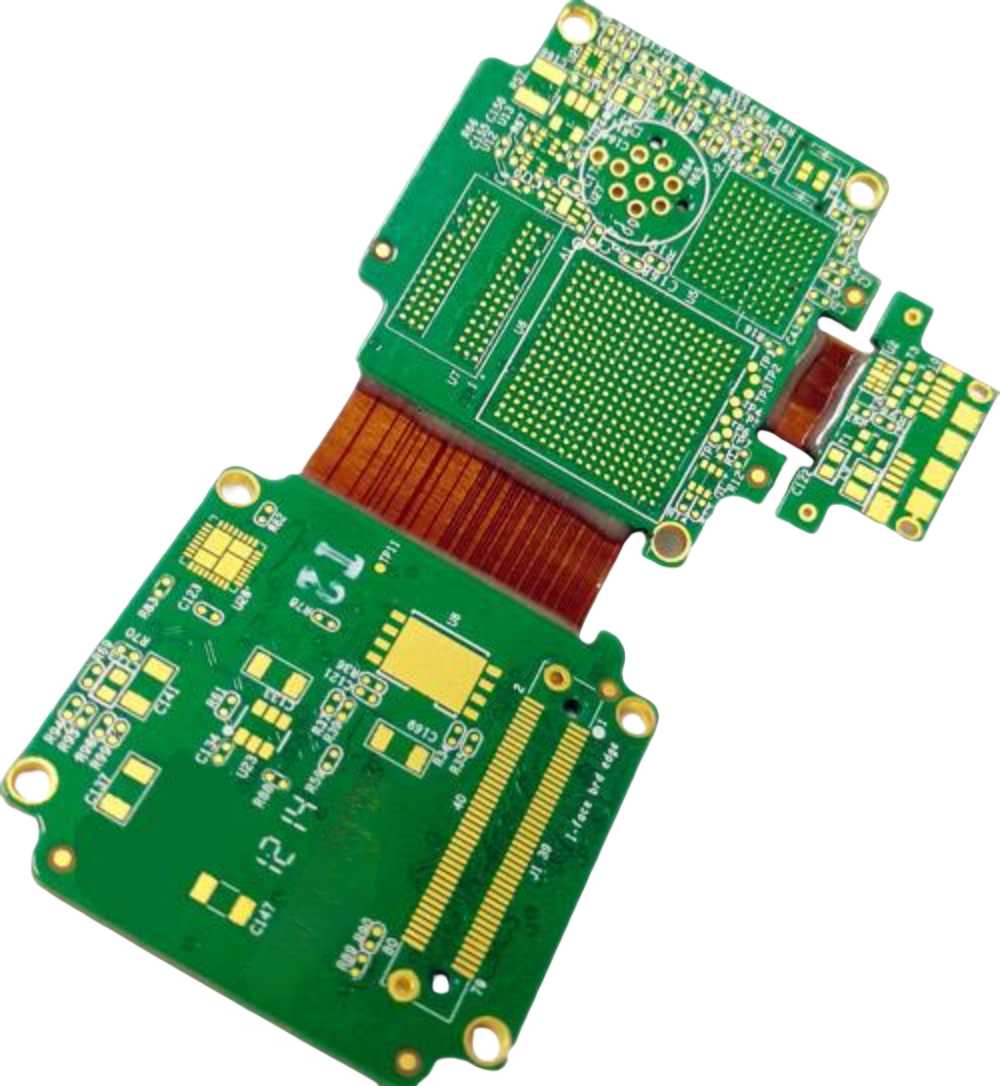
Flexible PCBs (FPCBs) have become indispensable in medical devices—from implantable glucose monitors and wearable ECG patches to endoscopic cameras—due to their ability to conform to the human body, reduce device size, and withstand repeated use. However, medical FPCB fabrication is far more rigorous than standard PCB Manufacturing: it requires compliance with strict regulatory frameworks (ISO 13485, FDA 21 CFR Part 820) and adherence to patient safety mandates (biocompatibility, sterilization resilience, and zero-failure reliability). A single non-compliant FPCB can lead to device recalls, regulatory penalties, or even patient harm—making regulatory alignment a non-negotiable part of the fabrication process.
ShwayPCB’s PCB manufacturing services specialize in medical-grade FPCBs, with a track record of meeting global regulatory requirements for implantable, wearable, and diagnostic devices. This article explores the critical regulatory demands of medical FPCB fabrication, technical strategies to achieve compliance, and how to partner with a manufacturer that prioritizes both performance and regulatory adherence.
1. Core Regulatory Frameworks for Medical FPCB Fabrication
Before initiating FPCB fabrication for medical devices, it is critical to understand the three foundational regulatory frameworks that govern every stage of production:
1.1 ISO 13485: Quality Management for Medical Devices
ISO 13485 is the global standard for medical device quality management systems (QMS), with specific requirements for FPCB fabrication:
- Process Validation: All FPCB processes (etching, lamination, drilling) must be validated to ensure consistency—for example, plasma etching parameters must be documented and tested to confirm they produce 0.076mm traces with ±0.005mm tolerance, batch after batch.
- Risk Management: Manufacturers must conduct FMEA (Failure Mode and Effects Analysis) for FPCBs, identifying potential failure points (e.g., delamination during sterilization) and implementing mitigation strategies (e.g., epoxy adhesives with Tg≥180°C).
- Document Control: Every step of FPCB fabrication—from material receipts to final testing—must be documented in a traceable system. For example, a batch of Medical Flexible PCB for a heart monitor must include records of polyimide supplier, copper purity test results, and bend cycle data.
1.2 FDA 21 CFR Part 820 (U.S.)
For devices marketed in the U.S., the FDA’s 21 CFR Part 820 imposes additional rigor:
- Design Controls: FPCB designs must undergo formal review, verification, and validation (V&V) to prove they meet user needs. For an implantable FPCB, validation includes 10,000+ hours of in vitro testing to confirm no trace corrosion or insulation breakdown.
- Corrective and Preventive Actions (CAPA): Any FPCB defect (e.g., a batch with 2% microvia voids) must trigger a CAPA process—root-cause analysis (e.g., laser drilling power fluctuation), corrective action (e.g., recalibrating equipment), and preventive measures (e.g., daily power checks).
- Traceability: Every FPCB must be traceable to its raw material batches and production operators. This means using unique serial numbers for each FPCB, allowing the FDA to trace a defective unit back to its source in the event of a recall.
1.3 USP Class VI: Biocompatibility for Skin/Implant Contact
USP Class VI is the gold standard for medical material biocompatibility, mandatory for FPCBs that contact skin (wearables) or bodily fluids (implants):
- Toxicity Testing: FPCB materials (polyimide, copper, surface finishes) must undergo in vitro tests to ensure no cytotoxicity (cell death), sensitization (allergic reactions), or irritation (skin redness).
- Extractable/Leachable Analysis: Materials must be tested to confirm they do not leach harmful chemicals (e.g., heavy metals, residual solvents) into the body—for example, immersion tin finishes must have lead levels <10 ppm.
- Long-Term Biostability: Implantable FPCBs must demonstrate no material degradation (e.g., polyimide breakdown) over their intended lifespan (5–10 years), verified via accelerated aging tests (e.g., 1,000 hours at 37°C in simulated body fluid).
2. Technical Strategies for Regulatory-Compliant Medical FPCB Fabrication
Meeting medical regulations requires intentional technical choices—from material selection to testing protocols. Below are actionable strategies to ensure FPCBs align with regulatory demands:
2.1 Material Selection: Prioritizing Biocompatibility and Sterilization Resilience
Medical FPCBs cannot use standard consumer-grade materials—every component must be validated for biocompatibility and resistance to medical sterilization methods:
|
Material Component
|
Regulatory-Compliant Options
|
Rationale
|
|
Substrate
|
Medical-grade polyimide (e.g., DuPont Kapton HN, USP Class VI certified)
|
Withstands autoclave sterilization (121°C, 15 psi) and resists body fluid degradation.
|
|
Copper Foil
|
99.99% pure rolled copper (USP Class VI compliant)
|
Low impurity levels prevent leaching; high ductility withstands implant insertion stress.
|
|
Surface Finish
|
Nickel-free immersion tin (USP Class VI) or parylene C coating
|
Avoids nickel allergies; immersion tin resists ethylene oxide (EtO) sterilization.
|
|
Adhesive
|
Epoxy-based adhesive (Tg≥180°C, ISO 10993-1 compliant)
|
Maintains bond strength during gamma sterilization (25–50 kGy) and prevents delamination.
|
Critical Pitfall to Avoid: Using acrylic adhesives for sterilized FPCBs—acrylics degrade under gamma radiation, leading to adhesive leaching and device failure. ShwayPCB exclusively uses epoxy adhesives for medical FPCBs requiring sterilization.
2.2 Process Control: Ensuring Consistency and Traceability
Regulatory bodies demand proof that FPCB fabrication processes are controlled and repeatable. Key process controls include:
- Incoming Material Inspection (IQC):
- Test 100% of polyimide rolls for USP Class VI compliance and Tg (≥200°C for implantables).
- Verify copper foil purity via X-ray fluorescence (XRF) and reject batches with impurity levels >100 ppm.
- Document all material certificates of compliance (CoC) and store them in a searchable QMS—ShwayPCB’s IQC records are retained for 7 years, per FDA requirements.
- In-Process Monitoring:
- Use real-time process monitoring for critical steps: laser drilling (track via diameter and placement accuracy) and plasma etching (monitor etch rate to avoid over-etching).
- Conduct 100% automated optical inspection (AOI) after etching to detect trace defects (e.g., micro-cracks) that could cause electrical failure in vivo.
- Traceability Implementation:
- Assign unique serial numbers to each FPCB panel, linked to material batches, operator IDs, and test results.
- Use barcode scanning to log every process step (e.g., lamination time, etching date) in a cloud-based QMS—this allows regulators to trace a single FPCB from raw material to finished device.
2.3 Sterilization Compatibility: Designing for Medical Sterilization Methods
Medical devices undergo rigorous sterilization to prevent infection—FPCBs must withstand these processes without performance degradation. Common sterilization methods and FPCB design adaptations include:
- Autoclave (Steam) Sterilization (121°C, 15 psi):
- Use high-Tg polyimide (≥200°C) and epoxy adhesives to avoid substrate warpage or delamination.
- Seal exposed vias with solder mask to prevent moisture ingress during steam exposure.
- Ethylene Oxide (EtO) Sterilization:
- Select EtO-resistant surface finishes (immersion tin, parylene C) to avoid finish discoloration or corrosion.
- Design FPCBs with minimal air pockets (e.g., avoid blind vias without plating) to ensure full EtO penetration.
- Gamma Radiation Sterilization (25–50 kGy):
- Use radiation-stabilized polyimide (e.g., Toray Lumirror) to prevent material brittleness.
- Avoid acrylic adhesives and certain solders (e.g., Sn-Pb), which degrade under gamma radiation—ShwayPCB uses SAC 305 lead-free solder for gamma-compatible FPCBs.
2.4 Testing: Validating Performance and Regulatory Compliance
Medical FPCBs require more extensive testing than standard FPCBs, with results documented for regulatory submissions:
- Biocompatibility Testing:
- USP Class VI cytotoxicity testing (ISO 10993-5): Ensure FPCB extracts do not reduce cell viability below 70%.
- Skin sensitization testing (ISO 10993-10): Verify no allergic reactions in test subjects.
- Mechanical Durability Testing:
- Dynamic bend testing (100k+ cycles at 1mm radius) for wearable FPCBs (e.g., ECG patches) to simulate daily use.
- Implant insertion testing: For implantable FPCBs, simulate insertion through a 1mm needle to confirm no trace cracking or delamination.
- Electrical Reliability Testing:
- Insulation resistance testing (≥100MΩ at 500V DC) after sterilization to confirm no moisture-induced leakage.
- Impedance testing (±3% tolerance for 50Ω traces) for FPCBs in diagnostic devices (e.g., ultrasound probes) to ensure signal integrity.
- Sterilization Validation Testing:
- Test FPCBs after 10+ sterilization cycles (matching the device’s intended lifetime) to confirm no degradation in performance. For example, an autoclaved FPCB must maintain >95% of its original conductivity after 100 cycles.
3. Partnering with a Regulatory-Compliant Medical FPCB Manufacturer
Not all FPCB manufacturers have the expertise to meet medical regulatory requirements. When selecting a partner, verify these critical capabilities:
3.1 Regulatory Certifications
- ISO 13485 Certification: Mandatory for medical device component manufacturing—ensure the certificate is current and covers FPCB fabrication.
- FDA Registration: For U.S. markets, the manufacturer must be registered with the FDA as a medical device component supplier (ShwayPCB is FDA-registered, registration number 3017824944).
- USP Class VI Material Sourcing: Confirm the manufacturer has established relationships with certified material suppliers (e.g., DuPont, Toray) and can provide material CoCs.
3.2 In-House Testing Capabilities
- Avoid manufacturers that outsource critical testing (e.g., biocompatibility, sterilization validation)—this delays results and increases compliance risk.
- Prioritize manufacturers with in-house labs for AOI, X-ray inspection, and mechanical testing (ShwayPCB’s labs are A2LA-accredited, ensuring test data is regulatory-accepted).
3.3 Regulatory Support
- The manufacturer should assist with regulatory submissions, providing documentation such as:
- Process validation reports.
- Material biocompatibility certificates.
- Test data (electrical, mechanical, sterilization).
- ShwayPCB provides a "Regulatory Compliance Package" for each medical FPCB order, including all documentation required for FDA 510(k) or CE Mark submissions.
4. FAQ: Medical Flexible PCB Fabrication & Regulatory Compliance
1. What is the difference between a "medical-grade FPCB" and a standard FPCB?
A medical-grade FPCB meets:
- USP Class VI biocompatibility (no toxicity/irritation).
- Sterilization resilience (withstands autoclave/EtO/gamma).
- ISO 13485 process controls and traceability.
- Zero-failure reliability testing (100k+ bend cycles, long-term aging).
Standard FPCBs lack these features and are not suitable for medical use.
2. How long does it take to fabricate a regulatory-compliant medical FPCB?
Lead times are longer than standard FPCBs due to testing and documentation:
- Prototypes (1–10 units): 4–6 weeks (includes DFM, material sourcing, fabrication, and biocompatibility testing).
- Low-Volume Production (100–500 units): 8–10 weeks (adds process validation and sterilization testing).
ShwayPCB offers expedited prototyping (3–4 weeks) for urgent clinical trials.
3. Can a medical FPCB be reworked if defects are found?
Rework is highly restricted for medical FPCBs:
- Minor defects (e.g., open traces) may be reworked with micro-soldering, but the process must be validated and documented in the QMS.
- Major defects (e.g., delamination, biocompatibility failures) require scrapping—reworking cannot restore regulatory compliance.
ShwayPCB’s proactive QC reduces rework rates to <0.5% for medical FPCBs.
4. What happens if a medical FPCB fails regulatory testing?
Failure triggers a CAPA process:
- Root-cause analysis (e.g., material contamination, process parameter drift).
- Corrective action (e.g., switching suppliers, recalibrating equipment).
- Retesting of a new batch to confirm compliance.
ShwayPCB works with clients to resolve failures within 1–2 weeks to avoid delaying device development.
5. Are there additional regulations for implantable FPCBs vs. wearable FPCBs?
Yes—implantable FPCBs have stricter requirements:
- Longer-term biostability testing (5–10 years of accelerated aging).
- FDA Premarket Approval (PMA) support (vs. 510(k) for most wearables).
- Higher sterilization doses (50 kGy gamma vs. 25 kGy for wearables).
ShwayPCB has experience with both implantable (e.g., pacemaker leads) and wearable (e.g., glucose monitors) FPCBs.
5. Conclusion
Flexible PCB fabrication for medical devices is a highly regulated, technically demanding process that requires a laser focus on patient safety, compliance, and reliability. From selecting USP Class VI materials to validating sterilization resilience and maintaining end-to-end traceability, every step must align with ISO 13485, FDA 21 CFR Part 820, and other global frameworks. Partnering with a manufacturer that specializes in medical FPCBs—one with the right certifications, testing capabilities, and regulatory expertise—is critical to avoiding costly delays and ensuring your device meets both performance and compliance targets.
ShwayPCB’s PCB manufacturing services are engineered for medical device success, with a QMS certified to ISO 13485, FDA registration, and a track record of delivering regulatory-compliant FPCBs for implantable, wearable, and diagnostic devices. Our team works closely with your regulatory and engineering teams to define fabrication processes, conduct required testing, and provide documentation that streamlines submissions to the FDA, CE, or other global authorities.
To discuss your medical FPCB project, request a biocompatibility testing quote, or learn more about our regulatory compliance capabilities, contact ShwayPCB at yuan@shwaypcb.com. For detailed specs on our medical-grade materials, testing protocols, and certification documents, visit our dedicated PCB manufacturing services page.

Copyright © 2005-2025 ShwayPCB : PCB Fabrication and Assembly Manufacturer. All Rights Reserved. POWERED BY UEESHOP


Copyright © 2005-2025 ShwayPCB : PCB Fabrication and Assembly Manufacturer. All Rights Reserved. POWERED BY UEESHOP