EV Power Module PCBA: Achieving AEC-Q200 Grade 0 & 3000hrs THB Test Excellence with ShwayPCB
EV Power Module PCBA: Achieving AEC-Q200 Grade 0 & 3000hrs THB Test Excellence with ShwayPCB
Introduction
In the rapidly evolving landscape of electric vehicles (EVs), the power module is a critical component that directly impacts the performance, reliability, and safety of the entire vehicle. The Printed Circuit Board Assembly (PCBA) within the EV power module plays a pivotal role in managing and distributing electrical power efficiently. To ensure the highest levels of quality and durability, automotive electronics adhere to stringent standards, with AEC-Q200 being one of the most recognized and demanding. ShwayPCB, a leading provider of PCB manufacturing and assembly services, stands out in delivering EV power module PCBAs that not only meet but exceed AEC-Q200 Grade 0 requirements and successfully pass the rigorous 3000-hour Temperature Humidity Bias (THB) test. In this in-depth article, we will explore the technical aspects of these standards, the challenges involved, and how ShwayPCB's expertise ensures top-notch EV power module PCBAs.
Understanding AEC-Q200 Grade 0
What is AEC-Q200?
The Automotive Electronics Council (AEC) is a global standard-setting body for automotive electronics components. AEC-Q200 is a set of qualification and quality requirements specifically designed for passive electronic components used in automotive applications. It covers a wide range of components such as resistors, capacitors, inductors, and more, ensuring their reliability under harsh automotive environmental conditions.
Significance of Grade 0
AEC-Q200 defines different grades based on the operating temperature range and the severity of the application environment. Grade 0 is the most stringent grade, applicable to components used in the engine compartment and other areas where extreme temperatures are common. For an EV power module PCBA to be AEC-Q200 Grade 0 compliant, it must withstand temperatures ranging from -40°C to +150°C without compromising performance or reliability.
The Importance of the 3000hrs THB Test
Temperature Humidity Bias (THB) Test Overview
The THB test is a reliability test that subjects electronic components or assemblies to a combination of high temperature, high humidity, and electrical bias for an extended period. This test is designed to simulate long-term exposure to harsh environmental conditions and identify potential failure modes related to moisture ingress, corrosion, and electrical degradation.
3000hrs THB Test for EV Power Module PCBAs
In the context of EV power module PCBAs, the 3000hrs THB test is a critical indicator of long-term reliability. The test typically involves exposing the PCBA to a temperature of 85°C, a relative humidity of 85%, and applying a specified electrical bias for 3000 hours. Successfully passing this test demonstrates that the PCBA can maintain its electrical performance and structural integrity over an extended period, even in challenging environmental conditions.
Challenges in Meeting AEC-Q200 Grade 0 and 3000hrs THB Test
Material Selection
One of the primary challenges in designing EV power module PCBAs for AEC-Q200 Grade 0 and 3000hrs THB test compliance is selecting the right materials. The PCB substrate, solder mask, and component packages must all be capable of withstanding high temperatures and humidity without degrading. ShwayPCB works closely with material suppliers to source high-quality, automotive-grade materials that meet these stringent requirements.
Thermal Management
Effective thermal management is crucial for EV power module PCBAs, especially when operating at high temperatures. Excessive heat can lead to component failure, reduced performance, and even safety hazards. ShwayPCB employs advanced thermal design techniques, such as optimizing copper traces for heat dissipation, incorporating thermal vias, and selecting components with low thermal resistance, to ensure efficient thermal management.
Component Reliability
The reliability of individual components on the PCBA is another critical factor. All components must be AEC-Q200 compliant and undergo rigorous pre-screening and testing to ensure they meet the required performance and reliability standards. ShwayPCB has established strong relationships with reputable component suppliers and implements strict quality control measures to ensure the reliability of every component used in their PCBAs.
Manufacturing Process Control
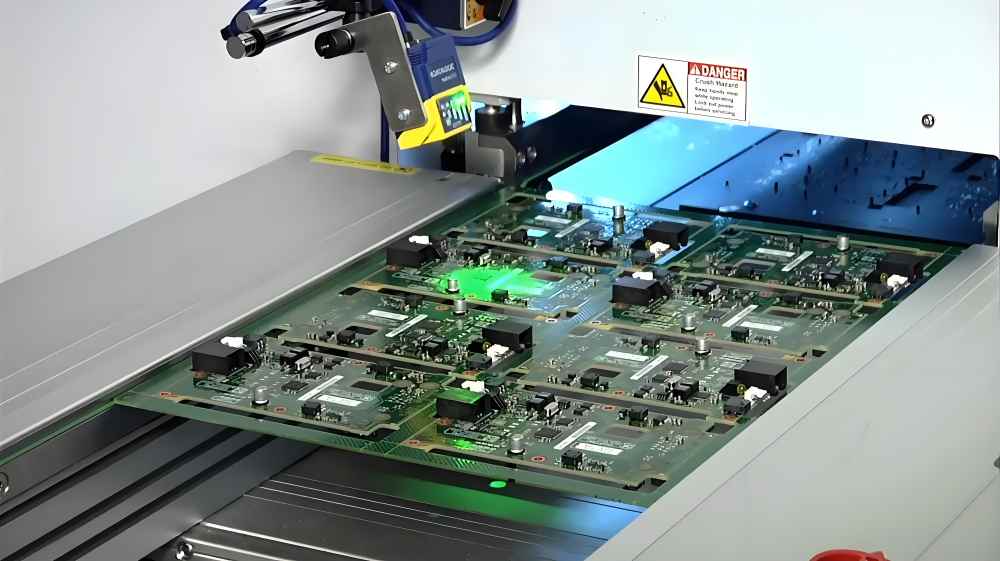
Maintaining consistent quality throughout the manufacturing process is essential for producing EV power module PCBAs that meet AEC-Q200 Grade 0 and 3000hrs THB test requirements. ShwayPCB has implemented a comprehensive quality management system that covers every aspect of the manufacturing process, from material inspection and storage to assembly and testing. Advanced manufacturing equipment, such as high-precision pick-and-place machines and automated optical inspection (AOI) systems, are used to ensure accurate component placement and defect-free assembly.
ShwayPCB's Approach to Achieving Excellence
Expertise and Experience
ShwayPCB has extensive experience in designing and manufacturing PCBAs for automotive applications, including EV power modules. Their team of experienced engineers and technicians has in-depth knowledge of AEC-Q200 standards and the specific requirements of the 3000hrs THB test. This expertise enables them to develop customized solutions that meet the unique needs of each customer.
Advanced Manufacturing Facilities
ShwayPCB's state-of-the-art manufacturing facilities are equipped with the latest technology and equipment to ensure high-quality PCBA production. From high-speed SMT (Surface Mount Technology) lines to advanced testing equipment, such as environmental stress testing chambers and X-ray inspection systems, ShwayPCB has the resources to deliver PCBAs that meet the highest standards of quality and reliability.
Comprehensive Testing and Validation
To ensure that every EV power module PCBA meets AEC-Q200 Grade 0 and 3000hrs THB test requirements, ShwayPCB conducts comprehensive testing and validation throughout the manufacturing process. This includes in-process inspections, functional testing, and environmental testing, such as temperature cycling, humidity testing, and vibration testing. By identifying and addressing potential issues early in the process, ShwayPCB can deliver PCBAs that are reliable and perform as expected in real-world applications.
Continuous Improvement
ShwayPCB is committed to continuous improvement and staying at the forefront of technological advancements in the PCB manufacturing industry. They regularly invest in research and development to explore new materials, processes, and testing methods that can further enhance the quality and reliability of their PCBAs. By continuously improving their processes and capabilities, ShwayPCB can better serve their customers and meet the evolving needs of the automotive industry.
Case Study: Success Story with a Leading EV Manufacturer
Project Overview
A leading EV manufacturer approached ShwayPCB with a challenging project: to design and manufacture EV power module PCBAs that meet AEC-Q200 Grade 0 requirements and pass the 3000hrs THB test. The PCBAs needed to be compact, lightweight, and highly reliable to ensure optimal performance and safety in the vehicle.
ShwayPCB's Solution
ShwayPCB's team of engineers worked closely with the customer to understand their specific requirements and design a PCBA that met all the necessary criteria. They selected high-quality automotive-grade materials, optimized the thermal design, and carefully selected components from reputable suppliers. Throughout the manufacturing process, ShwayPCB implemented strict quality control measures and conducted comprehensive testing to ensure that every PCBA met the required standards.
Results
The EV power module PCBAs delivered by ShwayPCB successfully met AEC-Q200 Grade 0 requirements and passed the 3000hrs THB test with flying colors. The customer was impressed with the quality, reliability, and performance of the PCBAs, and they have since placed multiple follow-up orders. This success story demonstrates ShwayPCB's ability to deliver high-quality PCBAs that meet the most demanding requirements of the automotive industry.
Conclusion
In the competitive world of electric vehicles, the reliability and performance of the power module PCBA are of utmost importance. Meeting AEC-Q200 Grade 0 requirements and passing the 3000hrs THB test are essential milestones that demonstrate a PCBA's ability to withstand the harsh conditions of automotive applications. ShwayPCB, with its expertise, advanced manufacturing facilities, comprehensive testing and validation processes, and commitment to continuous improvement, is well-positioned to deliver EV power module PCBAs that exceed these stringent standards. If you are looking for a reliable partner for your EV power module PCBA needs, look no further than ShwayPCB. Contact them today at yuan@shwaypcb.com to learn more about how they can help you achieve your automotive electronics goals.