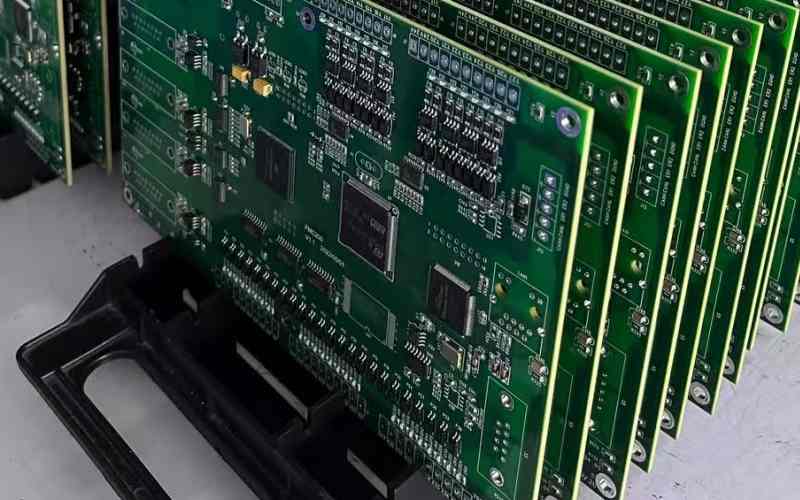
Detailed Prototype PCB Assembly: Every Aspect Covered
Detailed Prototype PCB Assembly: Every Aspect Covered
In the realm of electronics manufacturing, prototype PCB (Printed Circuit Board) assembly is a pivotal phase that bridges design concepts with functional hardware. Whether you're a startup developing a groundbreaking IoT device or an established company iterating on a complex embedded system, the quality and efficiency of your prototype PCB assembly can significantly impact your project's timeline and success. In this comprehensive guide, we'll delve into every aspect of prototype PCB assembly, from material selection to final testing, with a special focus on the services offered by ShwayPCB.
Understanding PCB Assembly Basics
Before diving into the intricacies of prototype PCB assembly, it's essential to grasp the fundamentals. A PCB serves as the backbone of electronic devices, providing a platform for mounting and interconnecting electronic components. PCB assembly involves placing these components onto the board and soldering them in place, creating a functional electronic circuit.
Key Components of PCB Assembly
-
PCB Substrate: The base material of the PCB, commonly made of FR-4 (Flame Retardant 4), a glass-reinforced epoxy laminate. FR-4 offers excellent electrical insulation, mechanical strength, and thermal stability, making it ideal for a wide range of applications.
-
Copper Traces: Conductive paths etched onto the PCB substrate, connecting components and facilitating electrical signals.
-
Solder Mask: A protective layer applied over the copper traces to prevent short circuits and oxidation.
-
Silkscreen: A layer of ink used to label components, test points, and other important features on the PCB.
-
Components: Electronic parts such as resistors, capacitors, integrated circuits (ICs), and connectors that are mounted and soldered onto the PCB.
The Prototype PCB Assembly Process
Prototype PCB assembly involves several critical steps, each requiring precision and expertise to ensure a high-quality end product. Let's explore these steps in detail:
1. Design and Layout
The first step in prototype PCB assembly is designing the circuit and creating the PCB layout. This involves using specialized software like Eagle, Altium Designer, or KiCad to design the schematic diagram and translate it into a physical layout. Key considerations during this phase include:
- Component Placement: Optimal placement of components to minimize signal interference, reduce trace lengths, and improve thermal management.
- Trace Width and Spacing: Ensuring adequate trace width and spacing to handle the required current and voltage levels without overheating or short-circuiting.
- Via Design: Proper placement and sizing of vias (holes drilled through the PCB to connect traces on different layers) to ensure reliable electrical connections.
2. PCB Manufacturing
Once the design is finalized, the next step is PCB manufacturing. This involves creating the physical PCB based on the design files. ShwayPCB offers a comprehensive range of PCB manufacturing services, including:
- Single-Sided PCBs: Ideal for simple circuits with a limited number of components.
- Double-Sided PCBs: Offer more routing options and are suitable for moderately complex circuits.
- Multilayer PCBs: Consist of multiple layers of copper traces separated by insulating material, enabling high-density component placement and complex routing.
Table 1: Comparison of PCB Types
| PCB Type | Number of Layers | Complexity Level | Typical Applications |
|---|---|---|---|
| Single-Sided | 1 | Low | Simple electronics, toys |
| Double-Sided | 2 | Moderate | Consumer electronics, power supplies |
| Multilayer | 4+ | High | High-performance computing, telecommunications |
3. Component Sourcing
With the PCB manufactured, the next step is sourcing the components required for assembly. This involves identifying reliable suppliers, negotiating prices, and managing inventory to ensure timely delivery. ShwayPCB can assist with component sourcing, leveraging its extensive network of suppliers to secure high-quality components at competitive prices.
4. PCB Assembly
PCB assembly is the process of mounting and soldering components onto the PCB. This can be done manually for low-volume prototypes or using automated equipment for high-volume production. ShwayPCB specializes in high-precision mixed-technology PCB assembly, combining Surface Mount Technology (SMT) and Through-Hole Technology (THT) to accommodate a wide range of components.
SMT Assembly
SMT involves placing components directly onto the surface of the PCB and soldering them in place using reflow soldering. This method is ideal for small, lightweight components and enables high-density component placement.
THT Assembly
THT involves inserting components through holes drilled in the PCB and soldering them to pads on the opposite side. This method is suitable for larger components and provides mechanical strength and durability.
5. Quality Control and Testing
Quality control is a critical aspect of prototype PCB assembly. ShwayPCB implements rigorous testing procedures to ensure that each assembled PCB meets the highest quality standards. These procedures include:
- Visual Inspection: Checking for soldering defects, component misalignment, and other visible issues.
- Automated Optical Inspection (AOI): Using advanced imaging technology to detect defects that may not be visible to the naked eye.
- In-Circuit Testing (ICT): Testing individual components and connections to verify functionality.
- Functional Testing: Testing the assembled PCB in a real-world environment to ensure it performs as expected.
Turnkey PCB Assembly Services
For many projects, managing the entire PCB assembly process from design to testing can be time-consuming and complex. Turnkey PCB assembly services, such as those offered by ShwayPCB, provide a comprehensive solution that covers every aspect of the assembly process. This includes design assistance, PCB manufacturing, component sourcing, assembly, and testing, allowing you to focus on your core competencies while leaving the technical details to the experts.
Benefits of Turnkey PCB Assembly
- Time Savings: By outsourcing the entire assembly process, you can significantly reduce the time required to bring your product to market.
- Cost Efficiency: Turnkey providers like ShwayPCB can leverage economies of scale to offer competitive pricing on both PCB manufacturing and component sourcing.
- Quality Assurance: With a single point of contact for the entire assembly process, you can ensure consistent quality and accountability.
- Flexibility: Turnkey providers can accommodate a wide range of project requirements, from simple prototypes to complex, high-volume production runs.
Quick Turn PCB Assembly
In today's fast-paced electronics industry, time-to-market is a critical factor. Quick turn PCB assembly services, such as those offered by ShwayPCB, enable you to receive your assembled PCBs in a matter of days, rather than weeks or months. This is achieved through a combination of efficient processes, advanced equipment, and a commitment to customer satisfaction.
Key Features of Quick Turn PCB Assembly
- Rapid Prototyping: Quick turn services allow you to quickly iterate on your design, making it easier to identify and fix issues early in the development process.
- Flexible Lead Times: Whether you need your PCBs in a few days or a few weeks, quick turn providers can accommodate your timeline.
- High-Quality Standards: Despite the fast turnaround times, quick turn providers maintain strict quality control measures to ensure that each assembled PCB meets the highest standards.
- Online Ordering and Tracking: Many quick turn providers, including ShwayPCB, offer online ordering and tracking systems, making it easy to place orders and monitor the progress of your project.
PCB Assembly in China
China has emerged as a global leader in electronics manufacturing, offering a combination of low costs, high-quality standards, and a vast network of suppliers and manufacturers. PCB Assembly China services leverage these advantages to provide cost-effective solutions for businesses of all sizes.
Advantages of PCB Assembly in China
- Cost Savings: Labor and material costs in China are significantly lower than in many other countries, enabling you to reduce your overall manufacturing expenses.
- Scalability: Chinese manufacturers have the capacity to handle both small-batch prototypes and large-volume production runs, making it easy to scale your project as needed.
- Access to Advanced Technology: Many Chinese manufacturers invest heavily in research and development, ensuring that they have access to the latest equipment and techniques.
- Cultural Adaptability: Chinese manufacturers are accustomed to working with international clients and can adapt to different cultural norms and business practices.
Choosing the Right PCB Assembly Partner
Selecting the right PCB assembly partner is crucial to the success of your project. When evaluating potential providers, consider the following factors:
- Experience and Expertise: Look for a provider with a proven track record in your industry and a deep understanding of your specific requirements.
- Quality Standards: Ensure that the provider adheres to international quality standards such as ISO 9001 and IPC-A-610.
- Technical Capabilities: Verify that the provider has the equipment and expertise to handle your project's technical requirements, including component types, trace widths, and layer counts.
- Customer Support: Choose a provider that offers responsive customer support and is willing to work closely with you throughout the assembly process.
- Pricing and Lead Times: Compare pricing and lead times from multiple providers to ensure that you're getting the best value for your money.
Contact ShwayPCB for Your Prototype PCB Assembly Needs
If you're looking for a reliable and experienced partner for your prototype PCB assembly needs, look no further than ShwayPCB. With a commitment to quality, efficiency, and customer satisfaction, ShwayPCB offers a comprehensive range of services, including PCB manufacturing, component sourcing, turnkey assembly, and quick turn services. Contact us today at yuan@shwaypcb.com to learn more about how we can help bring your electronics projects to life.