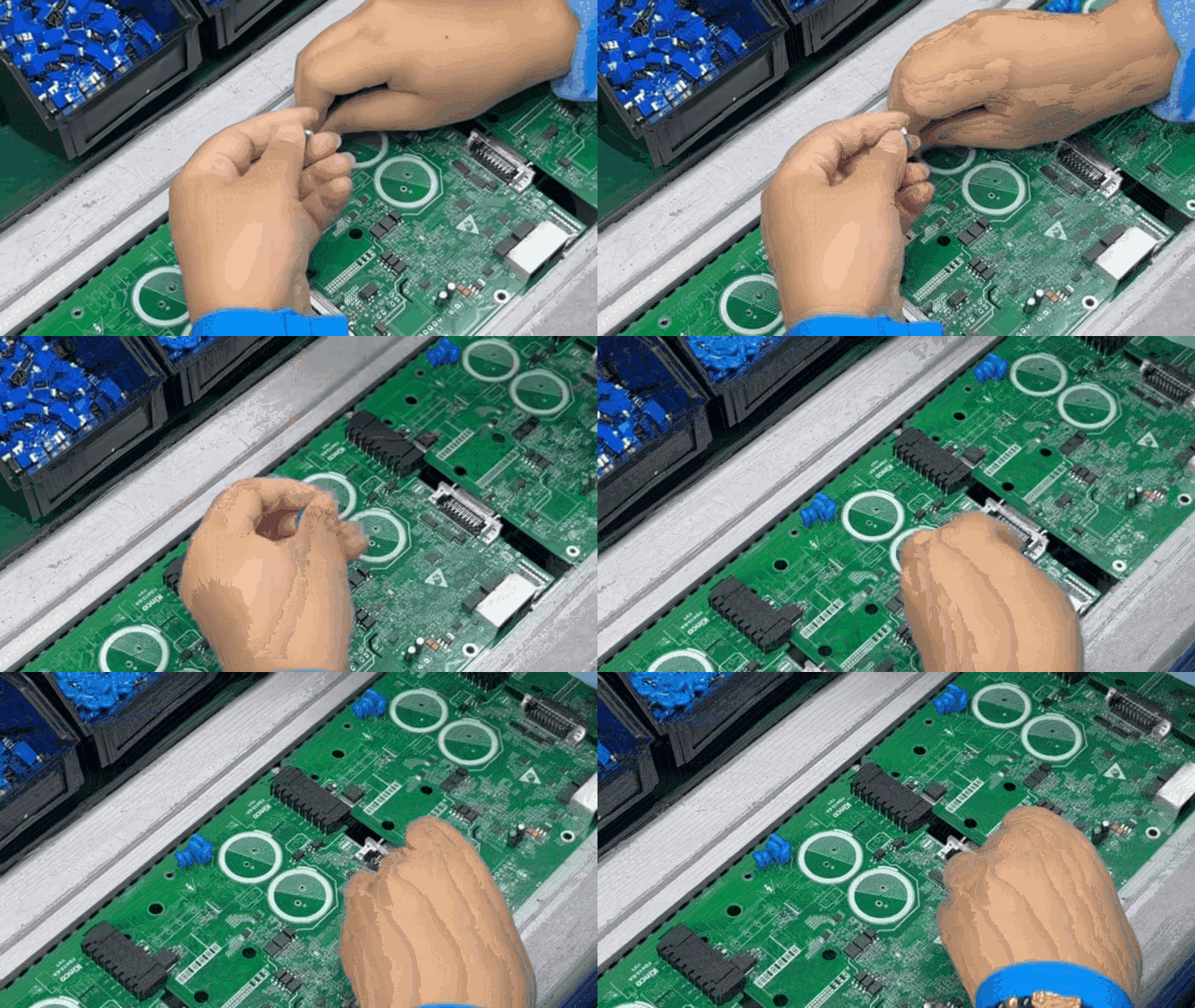
Affordable PCB Prototype Assembly: How to Get Low-Cost PCBs Without Sacrificing Quality
Affordable PCB Prototype Assembly: How to Get Low-Cost PCBs Without Sacrificing Quality
Introduction
In the fast-paced world of electronics development, PCB prototype assembly is a critical step for validating designs before full-scale production. However, balancing cost and quality remains a challenge, especially for startups, hobbyists, and small businesses. This guide explores strategies to achieve affordable PCB prototype assembly without compromising reliability, performance, or turnaround time. We’ll also introduce eight essential keywords related to PCB prototyping, each linked to expert resources for deeper insights.
1. Understanding PCB Prototype Assembly Costs
Before diving into cost-saving tactics, it’s important to understand what drives PCB assembly expenses:
- Component Sourcing: High-volume components are cheaper, but prototypes often require small quantities.
- Labor & Setup Fees: Manual assembly or low-volume SMT (Surface Mount Technology) lines incur higher per-unit costs.
- Material Choices: Premium substrates (e.g., FR4-TG170) or specialized finishes (e.g., ENIG) add to expenses.
- Design Complexity: Multi-layer boards, fine-pitch components, or tight tolerances increase manufacturing difficulty.
Pro Tip: Use a PCB Assembly Prototype Service that offers transparent pricing and design rule checks (DRC) to avoid costly reworks.
2. 8 Keywords to Expand Your PCB Prototyping Knowledge
To master PCB prototyping, familiarize yourself with these terms and their linked resources:
1. Rapid PCB Prototyping
Rapid prototyping accelerates time-to-market by offering quick-turn PCB fabrication and assembly. Services like FR4 PCB Tech provide 24–72-hour turnaround for simple designs, ideal for iterative testing.
2. SMT Prototyping Services
SMT (Surface Mount Technology) is the backbone of modern PCB assembly. SMT prototyping services specialize in placing tiny components (e.g., 0201 resistors) with precision, reducing manual labor costs.
3. Functional PCB Prototypes
Unlike basic “breadboard” tests, functional prototypes mimic final product behavior. They validate electrical performance, thermal management, and mechanical fit before mass production.
4. Low-Volume PCB Assembly
Low-volume assembly (typically 10–1,000 units) bridges the gap between prototyping and production. Look for providers with no minimum order quantities (MOQs) to minimize upfront costs.
5. PCB Prototype Manufacturers
Reputable manufacturers combine affordable pricing with ISO-certified processes. Prioritize those offering free DFM (Design for Manufacturability) reviews to catch errors early.
6. PCB Assembly Turnaround Time
Turnaround time (TAT) varies from 24 hours to 2 weeks. For urgent projects, choose providers with expedited shipping or local warehouses to reduce delays.
7. PCB Prototype Testing
Testing ensures prototypes meet specs. Common methods include AOI (Automated Optical Inspection), X-ray, and in-circuit testing (ICT).
8. PCB Prototype Design Guidelines
Following design guidelines prevents costly reworks. Key rules include:
- Maintain 0.15mm minimum trace width for reliability.
- Use 3:1 aspect ratio for vias.
- Avoid placing vias under BGA components.
3. How to Reduce PCB Prototype Assembly Costs
A. Optimize Component Sourcing
- Use Generic Parts: Replace custom ICs with off-the-shelf alternatives where possible.
- Consolidate Suppliers: Order components from a single distributor to qualify for bulk discounts.
- Consider Reflowable Connectors: These reduce manual soldering labor.
B. Simplify PCB Design
- Reduce Layer Count: Stick to 2–4 layers unless high-speed signals are required.
- Standardize Hole Sizes: Non-standard drills increase tooling costs.
- Avoid Tight Tolerances: Unless critical for functionality, relax spacing rules (e.g., 0.2mm instead of 0.1mm).
C. Leverage Prototyping Services
- Choose All-Inclusive Packages: Some providers bundle PCB fabrication, assembly, and testing at a discount.
- Split Orders: Order multiple small batches instead of one large run to test iterations affordably.
- Use Open-Source Tools: Free software like KiCad or EasyEDA helps design PCBs without expensive licenses.
D. Negotiate with Manufacturers
- Ask for Student/Startup Discounts: Many vendors offer reduced rates for non-commercial projects.
- Inquire About Overstock Materials: Manufacturers may sell leftover substrates or components at a fraction of the cost.
4. Quality vs. Cost: Finding the Balance
Sacrificing quality for affordability can lead to:
- Delays: Failed prototypes require redesigns and remanufacturing.
- Safety Risks: Poor solder joints or flammable materials may cause field failures.
- Reputation Damage: Low-quality products harm brand credibility.
Solution: Partner with a PCB assembly prototype service that balances cost and quality, such as FR4 PCB Tech, which uses automated SMT lines and IPC-A-610 compliance to ensure reliability.
5. Case Study: Saving 40% on Prototype Costs
A IoT startup needed 50 functional prototypes for field testing. Their initial quote was $1,200, but by:
- Switching to a 2-layer FR4 board (instead of 4-layer).
- Using standard 0603 components instead of 0402.
- Selecting a provider with no NRE (Non-Recurring Engineering) fees.
They reduced costs to $720 without affecting performance.
6. Future Trends in PCB Prototyping
- AI-Driven DFM: Tools like Altium 365 automatically flag design issues before manufacturing.
- 3D-Printed Electronics: Companies like Nano Dimension offer rapid prototyping of multilayer PCBs in hours.
- Green Manufacturing: Lead-free soldering and biodegradable substrates are gaining traction.
Conclusion
Affordable PCB prototype assembly is achievable with strategic planning, design optimization, and the right manufacturing partner. By leveraging rapid prototyping, SMT services, and functional testing, you can validate designs quickly without breaking the bank. For reliable, cost-effective solutions, explore PCB Assembly Prototype Services like ShwayPCB.