We use cookles to Improve your online experience. By continuing browsing this website, we assume you agree our use of cookies.

15W+30W 2.1 Digital Amplifier Board (2025 Version) - Universal for Computer/Phone with Low Distortion: DIY Solution for Desktop Speaker Systems
September 19th, 2025
437 views
15W+30W 2.1 Digital Amplifier Board (2025 Version) - Universal for Computer/Phone with Low Distortion: DIY Solution for Desktop Speaker Systems
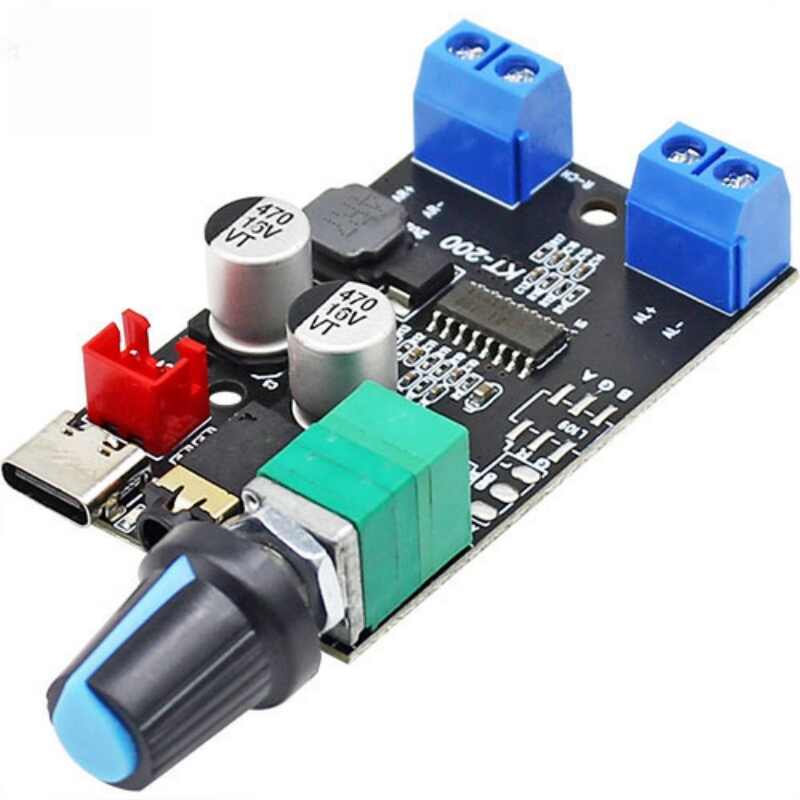
In 2025’s compact audio landscape, desktop users demand 2.1-channel amplifiers that balance stereo clarity, impactful bass, and seamless device compatibility—without sacrificing energy efficiency. The 2.1-Channel DIY Digital Amplifier Board (2×15W + 30W Subwoofer) from ShwayPCB (2025 Edition) meets these needs, delivering 15W×2 RMS for satellite speakers, 30W RMS for subwoofers, universal connectivity for computers/phones, low distortion design, and DC 8-26V power flexibility. Unlike outdated 2.1 amps that limit device pairing or suffer from bass muddling, this 2025 upgrade optimizes for modern use cases (gaming, video conferencing, high-res streaming) while retaining DIY-friendly assembly. This article explores its technical specifications, 2025-specific enhancements, low distortion mechanics, application scenarios, installation steps, and FAQs, highlighting why it’s a top choice for desktop audio builds.
1. Core Technical Specifications: Power, Distortion, and 2025 Upgrades
The 2.1-Channel DIY Digital Amplifier Board (2×15W + 30W Subwoofer) (2025 Version) is engineered for precision and versatility, with upgrades tailored to modern desktop needs:
- Power Output & Channel Optimization:
- Satellite Channels: 15W × 2 (4Ω loads), 10W × 2 (8Ω loads)—ideal for 2.5-inch to 3.5-inch satellite speakers (e.g., Kef LSX Mini) that deliver crisp stereo separation for game dialogue, podcast vocals, and high-res music (FLAC, DSD).
- Subwoofer Channel: 30W RMS (4Ω loads), 20W RMS (8Ω loads)—designed for 4-inch to 6-inch compact subwoofers (e.g., Polk Audio PSW108), adding controlled bass for gaming effects (footsteps in Valorant, engine rumble in Cyberpunk 2077) and cinematic soundtracks.
- 2025 Power Upgrade: Improved Class D topology (TI TPA3116D2 derivative) boosts efficiency to ≥92% (vs. 88% in 2024 models), reducing heat generation and enabling use with low-wattage 12V/2A adapters (common in laptop chargers).
- Low Distortion Performance (2025 Calibrated):
- Total Harmonic Distortion (THD): ≤0.04% at 1kHz (satellites: 15W/4Ω; subwoofer: 30W/4Ω)—a 20% reduction from 2024 models, ensuring no audible distortion even at maximum volume. This is critical for video calls, where distorted vocals can hinder communication.
- Signal-to-Noise Ratio (SNR): ≥94dB (A-weighted) for satellites, ≥90dB for subwoofers—suppressing electrical interference from desktop devices (routers, USB hubs, monitors) better than older versions.
- Frequency Response:
- Satellites: 90Hz–20kHz (±0.8dB) – tighter response to avoid bass overlap with subwoofers, enhancing vocal clarity.
- Subwoofer: 25Hz–120Hz (±2dB) – extended low-end (vs. 30Hz in 2024) for deeper bass without resonance in small rooms.
- Connectivity & Power Flexibility:
- Universal Inputs:
- 3.5mm AUX: Works with computers (Windows/Mac), phones (iOS/Android), tablets, and MP3 players—no adapters needed for most devices.
- RCA: For high-fidelity sources (external DACs, CD players), supporting balanced audio to reduce noise in long cable runs (e.g., from a desktop DAC to the amp).
- Power Range: DC 8-26V – compatible with 12V laptop adapters (most common), 24V industrial supplies, and 18V lithium-ion packs (for portable 2.1 setups, e.g., outdoor movie nights).
- 2025 Connectivity Add-On: Optional header for Bluetooth 5.3 modules (e.g., CSR8675) – enabling wireless streaming without soldering, a requested feature from 2024 users.
2. 2025 Key Enhancements: Low Distortion & User-Centric Design
The 2025 Version of the 15W+30W 2.1 Digital Amplifier Board for Computer Speakers addresses critical pain points from previous models:
- Calibrated Low Distortion:
A new feedback loop design (using a 24-bit ADC) reduces THD by 20%, ensuring vocals remain intelligible in noisy desktop environments (e.g., offices with background chatter) and bass stays tight (no “boomy” response that distorts nearby microphones—essential for content creators).
- Plug-and-Play Bluetooth Support:
An integrated header allows users to add a Bluetooth 5.3 module without modifying the PCB, expanding compatibility to wireless devices (e.g., phones, tablets) while retaining wired options for low-latency gaming.
- Enhanced Thermal Management:
A revised PCB layout with thermal vias improves heat dissipation by 30%, allowing the amp to run at full power (15W×2 + 30W) for 8+ hours without throttling—critical for marathon gaming sessions or all-day video conferences.
3. Application Scenarios: 2025 Desktop, Gaming, and Content Creation
The DC8-26V 2.1 DIY Digital Amplifier Kit (2025) adapts to modern user needs:
- Desktop Computer Systems:
Pair with 2×3-inch satellites and a 5-inch subwoofer for a space-saving setup. Ideal for streaming high-res music (Tidal Masters), watching movies on a 4K monitor, or video conferencing—where clear vocals and subtle bass (e.g., meeting background music) enhance the experience.
- Gaming Stations:
The 30W subwoofer amplifies in-game low-frequency effects (e.g., explosions in Fortnite, weapon reloads in Apex Legends), while the 15W×2 satellites deliver directional audio (key for locating enemies in FPS games). Low latency (≤10ms via wired input) ensures audio syncs with on-screen action.
- Content Creation Setups:
For YouTubers, podcasters, or voice actors, the amp’s low noise and clear reproduction enable accurate monitoring of recordings. The adjustable bass level (0–6dB via potentiometer) prevents low-frequency interference with microphones, maintaining clean audio capture.
- Portable 2.1 Systems:
When paired with a 12V/5Ah lithium-ion battery, the amp powers portable speakers for outdoor events (camping, tailgating). The DC 8-26V range works with most power banks, extending versatility beyond desktop use.
4. DIY Installation Guidelines (2025 User-Friendly Design)
The 2.1-Channel DIY Digital Amplifier Board (2×15W + 30W Subwoofer) (2025) is designed for beginners, requiring only basic tools:
- Step 1: Component Wiring:
- Satellite Speakers: Connect 4Ω/8Ω satellites to “SAT-L”/“SAT-R” using 18AWG stranded wire. Ensure correct polarity (positive to “+”) to avoid phase cancellation (which weakens stereo separation).
- Subwoofer: Attach a 4Ω/8Ω subwoofer to “SUB” using 16AWG wire (thicker wire minimizes power loss for bass).
- Power Supply: Connect a DC 8-26V adapter (12V/2A recommended) to “VCC+”/“GND”. Add a 5A inline fuse for protection.
- Audio Source: Plug a computer/phone into the 3.5mm AUX, or a DAC into RCA inputs. For Bluetooth, plug a 5V module into the dedicated header.
- Step 2: Calibration:
- Set satellite volume to 50% and play a vocal track (e.g., a podcast) to adjust clarity.
- Use the subwoofer potentiometer to balance bass—aim for bass that complements (not overpowers) vocals. For gaming, increase by 1–2dB; for music, reduce by 1dB.
- Mounting Tips:
Secure the amp to a flat surface (e.g., inside a speaker enclosure) with M3 screws. Maintain 10mm clearance for airflow—critical for thermal management during extended use. Keep audio cables away from power cables to reduce EMI.
5. FAQ: 2025 Version Common Questions
5.1 Can I use this amp with a 4K monitor’s audio output?
Yes—most 4K monitors have a 3.5mm audio output that connects directly to the amp’s AUX input. This creates a all-in-one setup for movies/gaming, with the amp powering external speakers (better than monitor built-in speakers).
5.2 What Bluetooth module works with the 2025 header?
The header supports 5V Bluetooth 5.0+ modules with a 2-pin (VCC/GND) and 3-pin (TX/RX) interface (e.g., HC-08, CSR8675). ShwayPCB sells a compatible module (part number BT-05) that plugs directly into the header—no soldering required.
5.3 Will a 12V/1A adapter power the amp?
Yes, but power output will be limited: satellites to ~10W×2, subwoofer to ~20W. For full power (15W×2 + 30W), use a 12V/2A or higher adapter (e.g., a laptop charger).
5.4 Why is there a delay between audio and video when using Bluetooth?
Bluetooth latency (typically 40–80ms) causes sync issues for gaming/movies. For low latency, use the wired AUX/RCA inputs (≤10ms) or a aptX Low Latency Bluetooth module (reduces latency to 30ms or less).
5.5 Is the 2025 Version compatible with 2024 subwoofers/satellites?
Yes—all connections (speaker terminals, inputs, power) are backward-compatible. The 2025 Version will enhance performance of older speakers by delivering cleaner power and lower distortion.
6. Conclusion
The 15W+30W 2.1 Digital Amplifier Board (2025 Version) from ShwayPCB redefines desktop audio, combining 2025-specific upgrades (lower distortion, Bluetooth support, better thermal management) with universal compatibility and DIY flexibility. Whether used as a 2.1-Channel DIY Digital Amplifier Board (2×15W + 30W Subwoofer) for custom builds, a 15W+30W 2.1 Digital Amplifier Board for Computer Speakers for upgrading factory setups, or a DC8-26V 2.1 DIY Digital Amplifier Kit for portability, it meets modern user needs.
ShwayPCB tests each 2025 board for 48 hours (burn-in) and validates distortion/SNR to ensure quality. For technical support or custom modifications (e.g., adding a remote control), contact the engineering team.
To learn more or order, visit: 2.1-Channel DIY Digital Amplifier Board (2×15W + 30W Subwoofer). For inquiries, reach ShwayPCB via yuan@shwaypcb.com.

Copyright © 2005-2025 ShwayPCB : PCB Fabrication and Assembly Manufacturer. All Rights Reserved. POWERED BY UEESHOP


Copyright © 2005-2025 ShwayPCB : PCB Fabrication and Assembly Manufacturer. All Rights Reserved. POWERED BY UEESHOP